Iran Threatens to Block Bab al-Mandeb Strait in Retaliation for US Hormuz Blockade
Iran has issued a stark warning that it could close the Bab al-Mandeb Strait, a critical shipping lane dubbed the Gate of Tears, in retaliation for the United States blockade of the Strait of Hormuz. This move threatens to escalate tensions in the Middle East and disrupt global maritime trade, with potential repercussions for economies worldwide.
Gate of Tears: A Vulnerable Chokepoint
Iran's parliament speaker, Mohammad Bagher Ghalibaf, explicitly threatened that Tehran might shut the Bab al-Mandeb Strait, which is notorious for its hazardous navigation conditions. This narrow waterway, just 18 miles wide at its narrowest point, serves as the primary sea route connecting Asia to European markets without requiring vessels to circumnavigate Africa, saving weeks of travel time.
The strategic importance of the Bab al-Mandeb Strait cannot be overstated. It leads into the vital Red Sea shipping lane, handling approximately 15 percent of all global maritime trade. In 2023 alone, an estimated 21,340 ships transited through this corridor, underscoring its role in international commerce.

Houthi Rebels as Potential Partners
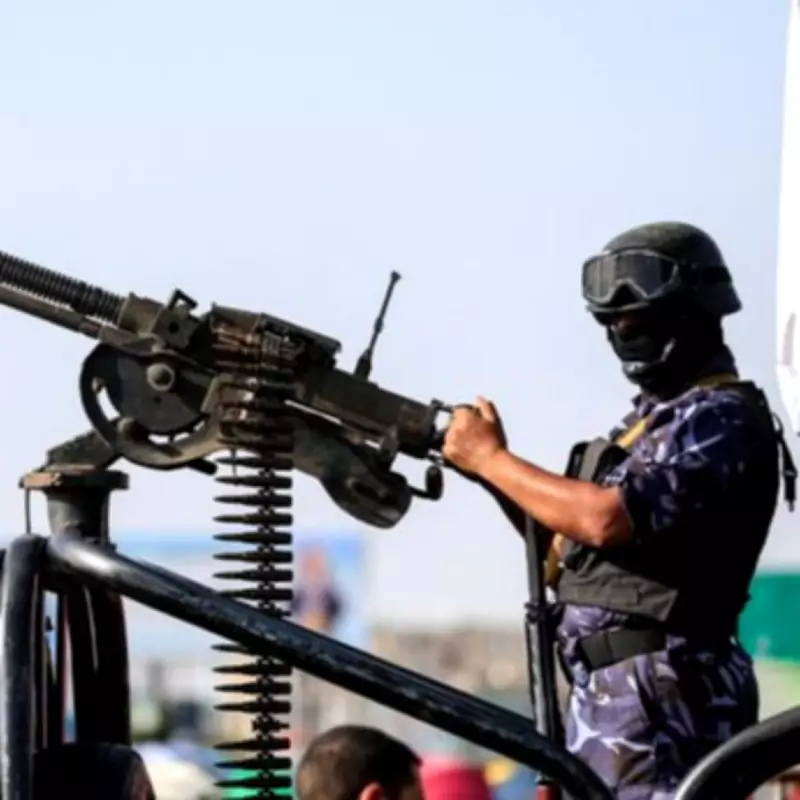
The Gate of Tears is particularly susceptible to attacks from Houthi rebels, who are backed by Iran. Between 2023 and 2025, more than 100 vessels came under assault from this rebel group along this major oil shipping route. Adam Baron, a Yemen expert at the Washington DC-based policy institute New America, highlighted the Houthis' capacity, stating, If Iran does want to shut down Bab al-Mandeb the Houthis are the obvious partner to do it, and their response to the Gaza conflict demonstrates that they have the capacity to do it.
Although the Houthis have largely remained on the sidelines of the Iran conflict following a US bombing campaign last year that culminated in a ceasefire, former President Donald Trump's decision to block traffic through the Strait of Hormuz could reignite their involvement.
Iran's Stern Warning to the US
Ali Akbar Velayati, an adviser to Iran's Supreme Leader, issued a clear warning on April 5, asserting that Iran views Bab al-Mandeb as it does Hormuz. He added, If Washington dares to repeat its foolish mistakes, it will soon realise that the flow of global energy and trade can be disrupted with a single move.
Speaker Ghalibaf previously questioned the global reliance on this strait, asking, What share of global oil, gas, wheat, rice, and fertilizer shipments transits the Bab al-Mandeb Strait? Which countries and companies account for the highest transit volumes through the Strait? This rhetoric underscores Iran's awareness of the economic leverage it holds.
Broader Regional and Economic Implications
The warning emerges amid heightened tensions, with Saudi Arabia's Crown Prince Mohammed bin Salman urging Trump to persist with military actions against Iran, describing it as a historic opportunity to reshape the Middle East. The Crown Prince emphasized that Iran poses a persistent threat to Gulf security, and allowing the regime to continue could lead to further regional instability.
Iran has already dealt a significant blow to the US by effectively closing the Strait of Hormuz, causing oil prices to surge to around $100 per barrel. Trump responded by ordering a blockade to shut down the waterway, which has remained closed since Monday after failed peace talks between Vice President JD Vance and Iranian officials. Vance noted that Iran was unwilling to agree to many of America's red lines.
As the ceasefire deadline between the US and Iran approaches, Washington has scaled back its war objectives from regime change and eradicating Tehran's nuclear capabilities. Trump has faced criticism for his handling of the conflict and for being perceived as following Israel into the war, adding another layer of complexity to the situation.
The potential closure of the Bab al-Mandeb Strait represents a severe escalation that could trigger widespread economic upheaval, disrupting energy supplies and trade flows on a global scale. The international community watches closely as these geopolitical tensions unfold, with the risk of further conflict looming large.