Iran Vows to Strike Tourist Hotels, Declares US-Used Resorts as Legitimate Targets
In a significant escalation of regional tensions, Iran has issued a stark warning, vowing to target tourist hotels and civilian facilities utilised by United States forces. The Iranian government has explicitly stated that such locations, including five-star resorts, are now considered legitimate military targets in any potential conflict.
Declaration of Legitimate Targets
The announcement marks a provocative shift in Iran's military posture, directly threatening civilian infrastructure associated with American personnel. This move comes amid heightened geopolitical friction in the Middle East, with Iran positioning itself to retaliate against perceived US aggression. The declaration underscores the broadening scope of potential conflict zones, moving beyond traditional military installations to include commercial and hospitality venues.
Implications for Regional Security
This development raises serious concerns for regional stability and international tourism. The targeting of hotels and resorts could have devastating consequences for civilian safety and economic sectors reliant on tourism. Experts warn that such threats could lead to increased militarisation of civilian areas, further complicating diplomatic efforts to de-escalate tensions between Iran and the United States.

Background and Context
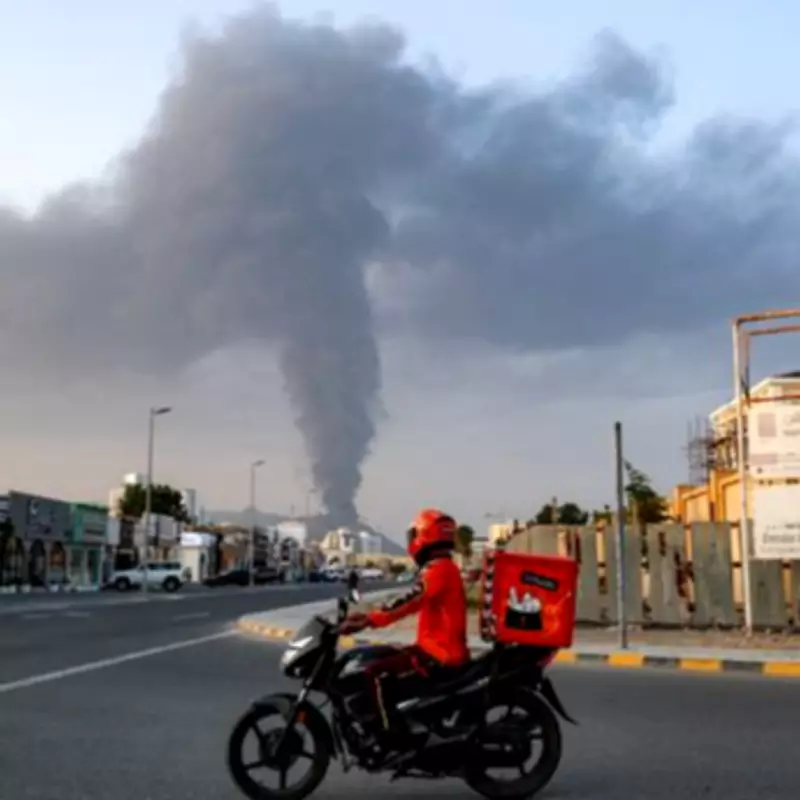
The threat follows a pattern of escalating rhetoric and actions from Iran, which has previously engaged in attacks against neighbouring countries, including the United Arab Emirates. The specific mention of five-star resorts highlights a strategic focus on high-profile, symbolic targets that could maximise psychological impact and international attention.
As this breaking story develops, global observers are closely monitoring Iran's next moves and the potential response from the United States and its allies. The situation remains fluid, with the international community urging restraint to prevent a broader conflict that could engulf the region.