Iran Dismisses Ceasefire Talks Amid Escalating Conflict
Iran has firmly rejected any notion of laying down its weapons as part of a potential ceasefire agreement, following assertions by US Defense Secretary Pete Hegseth that Tehran will ultimately surrender. Iranian foreign ministry spokesperson Esmaeil Baghaei stated that there is "no point to talks about anything" except for defence and "crushing retaliations" against its enemies. This declaration comes after Hegseth guaranteed that Iran will surrender and that President Donald Trump will dictate the terms of their defeat.
Oil Markets in Turmoil as Prices Exceed $100 Per Barrel
Global oil prices have surged to more than $100 per barrel, marking the first time in four years that this threshold has been breached. This dramatic increase is driven by mounting fears over supply disruptions from the Middle East, with markets such as the FTSE 100 showing clear signs of panic at the opening of trading. The Strait of Hormuz, a critical chokepoint for approximately one-fifth of the world's oil supply, is currently at a standstill due to the ongoing conflict. Iran's Revolutionary Guard has threatened to "set ablaze" any Western tanker attempting to navigate the strait, leading to a significant accumulation of oil-laden ships outside the passage.
Emergency G7 Meeting Called to Address Crisis
In response to the escalating situation, an emergency meeting of the G7 has been convened for today. Key crisis management options, including the potential release of strategic oil reserves, are set to be discussed. This move aims to stabilise global markets and mitigate the economic fallout from the supply disruptions. The urgency of the meeting underscores the severe impact that the conflict is having on international energy security and economic stability.
Iran Launches Overnight Attacks on Gulf States
Iran unleashed a substantial overnight attack on several countries in the Gulf region, with Bahrain experiencing the highest number of casualties since the war began. Reports indicate that 32 people were injured in an attack on Bahrain's island of Sitra, including four serious cases involving children. Among the wounded were a 17-year-old girl with severe head and eye injuries and a two-month-old baby. Additionally, Bahrain's state-owned energy firm Bapco declared force majeure after its Al Ma'ameer oil refinery was hit, causing a fire and significant damage. Similar declarations have been made by energy producers in Qatar and Kuwait, highlighting the widespread disruption to oil exports.
US Defense Secretary Vows to Thwart Iran's Nuclear Ambitions
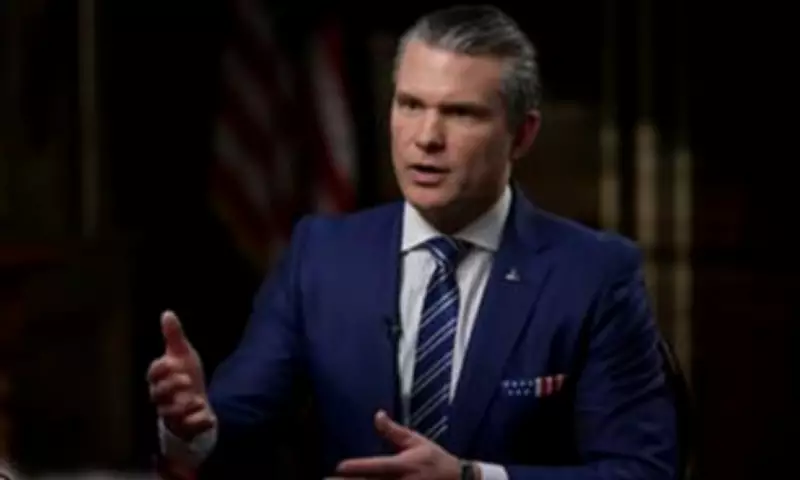
US Secretary of Defense Pete Hegseth, in an interview on "60 Minutes", emphasised America's commitment to ensuring that Iran's nuclear ambitions are never achieved. He stated, "We're willing to go as far as we need to to be successful," and reserved the right to deploy ground troops if necessary. Hegseth clarified that President Trump's demand for "unconditional surrender" means that the US is fighting to win and will set the terms of Iran's defeat, asserting that Tehran will eventually become "combat-ineffective" and have no choice but to surrender.
Regional and International Reactions
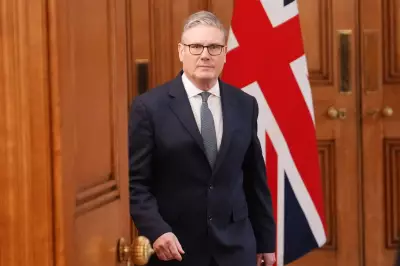
Russian President Vladimir Putin has offered "unwavering support" to Iran's new Supreme Leader, Mojtaba Khamenei, reaffirming Russia's role as a reliable partner. Meanwhile, UK Prime Minister Sir Keir Starmer has pledged to protect British citizens from the economic shocks of the war, acknowledging concerns over rising bills and job security. In Qatar, authorities have arrested over 300 individuals for sharing "misleading information" during the conflict, reflecting broader regional efforts to control the narrative and maintain public order.
Human Cost and Broader Implications
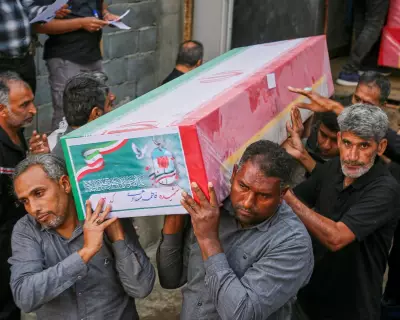
The human toll of the conflict continues to rise, with a 40-year-old man killed on a construction site in central Israel due to shrapnel from Iranian missile attacks. Another individual was seriously injured in the same incident. Iran's new Supreme Leader, Mojtaba Khamenei, is reported to be wounded, although details remain scarce. The conflict has also led to warnings from Iranian authorities that Iranians living abroad could face property confiscation and legal penalties if they express support for the US and Israel.
As the situation develops, the international community remains on high alert, with the potential for further economic disruption and geopolitical instability looming large. The combination of military aggression, economic volatility, and diplomatic tensions underscores the complex and far-reaching consequences of the ongoing conflict in the Middle East.