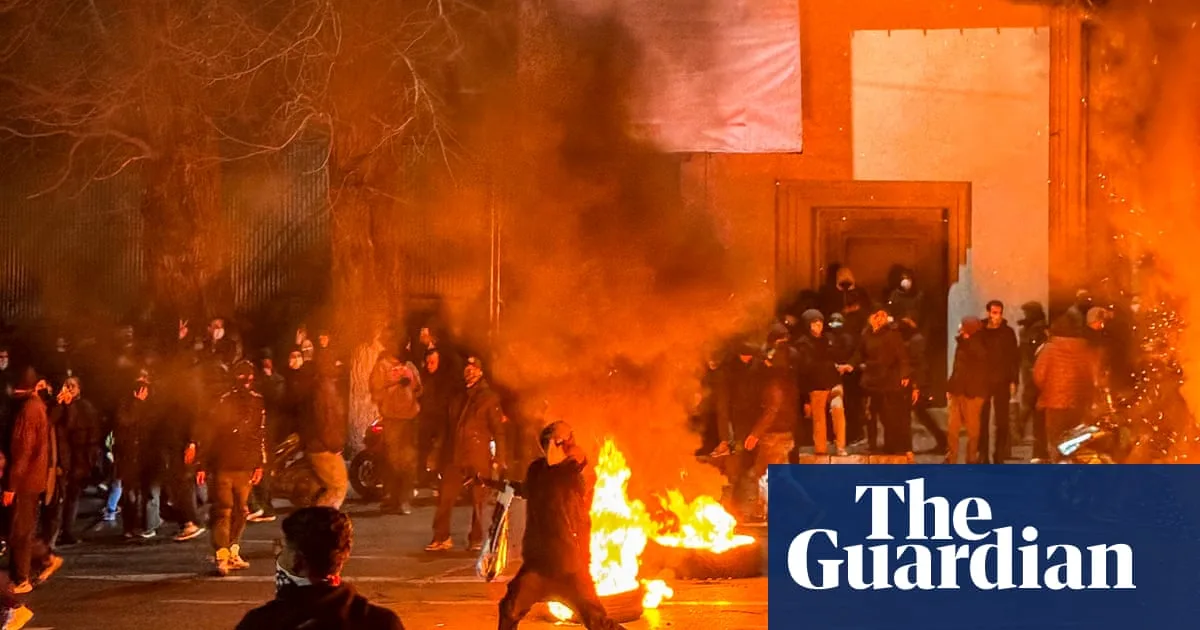
Iran has warned the United States not to launch an attack amid ongoing protests, as the reported death toll from the demonstrations has risen sharply. At least 538 people have been killed, according to the US-based Human Rights Activists News Agency, including 490 protesters. The Norway-based Iran Human Rights group reported at least 192 deaths. The figures could not be independently verified due to a near-total internet blackout in Iran.
The warnings came after US President Donald Trump said the US stands ready to help protesters, posting on Truth Social: 'Iran is looking at FREEDOM, perhaps like never before. The USA stands ready to help!!!' The Wall Street Journal reported that Trump is to be briefed on options including military strikes, cyber weapons, sanctions, and online support for anti-government sources.
Iranian officials reacted strongly to the prospect of US intervention. Parliament speaker Mohammad-Bagher Ghalibaf warned that Israel and US interests in the Middle East would be 'legitimate targets' if Washington struck Iran. President Masoud Pezeshkian accused the US and Israel of bringing in 'terrorists' to attack public property, and urged families not to let their children join 'rioters and terrorists.'
The crackdown has intensified, with authorities arresting key protest leaders. National police chief Ahmad-Reza Radan said 'significant arrests' were made, without giving numbers. Iran's attorney general warned that protesters could be charged as 'enemies of God,' a crime punishable by death. The government declared three days of national mourning for security forces killed, and called for a 'national resistance march' on Monday.
The protests, initially triggered by a currency crash, have evolved into demands for political reform and government overthrow. Analysts say the unrest is the most significant in years, fuelled by economic crisis and the aftermath of Iran's summer war with Israel. Rights groups warn the death toll is likely to rise further as access to information remains restricted.