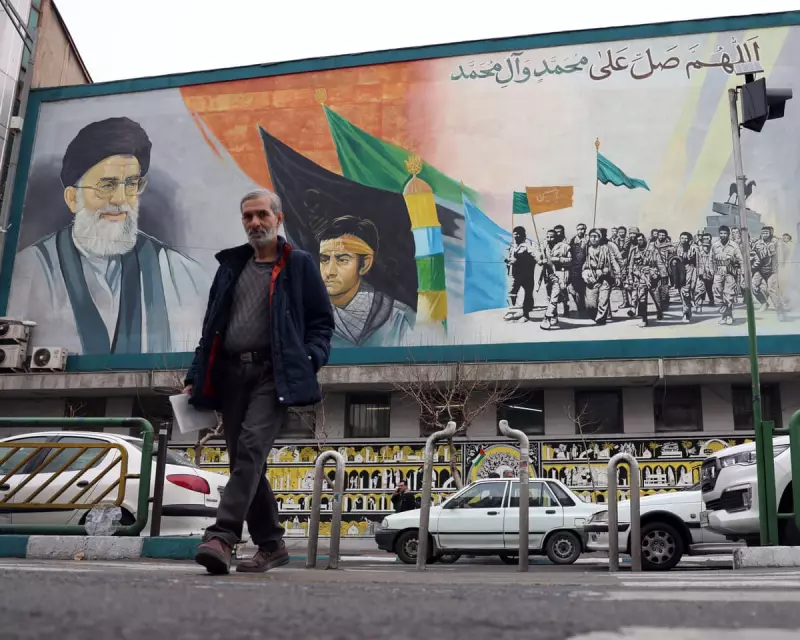
From within a nation gripped by another wave of civil unrest, an anonymous writer in Iran has penned a stark and pessimistic assessment of the current protests, describing a climate of desperation under an internet blackout and a state apparatus digging in its heels.
A Paralyzing Cycle of Unrest and Repression
The account, written amid severe communication restrictions in January 2026, details a familiar pattern. Since the major post-election uprising in 2009, Iran has witnessed sporadic explosions of public anger. These are typically silenced with force, only for the underlying discontent to fester and erupt again later. The writer notes that Iranians have exhausted every avenue to express dissent, from the limited choices in state-managed elections to activism on social media, in universities, and at public events. All calls for meaningful change have, so far, been in vain.
The piece argues that the Iranian state has paid little heed to democratic demands since the 2000s. It also points a finger at external actors, suggesting that figures like former US President Donald Trump sabotaged civil reform attempts within the Islamic Republic by reimposing sanctions and violating the Joint Comprehensive Plan of Action (JCPOA), the international nuclear deal.

The Opposition Dilemma and the Shadow of Foreign Intervention
A profound sense of political helplessness is described. Many Iranians feel their agency counts for little, a sentiment compounded by a lack of representation not only by the state but also within the opposition itself. The writer expresses deep scepticism towards Reza Pahlavi, the exiled son of the former Shah, who is often touted as a leading opposition figure. He is characterised as an inexperienced expat, an "Israeli stooge," and a patriarchal figure whose secular but dictatorial potential offers no democratic solution.
The analysis grows bleaker with the spectre of foreign military intervention. The writer fears an unpredictable Trump, "drunk with his exhibition of power in Caracas," could order a strike. Such an act, they warn, would not bring democracy but could instead plunge Iran into years of war and violence. The memory of Trump's recent bombardment of Iran is cited as a fresh and painful wound. The piece condemns what it sees as an orientalist narrative that casts West Asians as barbarians in need of a "white saviour."
A Fearful Stalemate With No End in Sight
The current protests have been met with unprecedented violence. The writer references the funeral of 100 policemen at Tehran University and an unknown number of protester deaths, creating an atmosphere of terror. Having lived through the disruptive 1979 revolution, many Iranians now fear the chaos and mass migration that state collapse could bring.
Ultimately, the anonymous author believes the Islamic Republic is here to stay. It retains a dedicated social base and, when faced with massive, foreign-backed demonstrations, its paranoia only intensifies. The regime responds by further cracking down on dissent, thereby setting the stage for the next round of unrest. The writer foresees a grim future of repetitive cycles: social unrest met with state force, leading to a slow national erosion rather than progress towards democracy.
"I can’t remember a time like this at any point in my life, where I felt so downcast and pessimistic about the future of my country," the piece concludes, capturing a profound national despair from deep inside the crisis.