Iran Launches Unprecedented Missile and Drone Barrage Against Israel
In a dramatic escalation of hostilities, Iran has executed a large-scale missile and drone attack targeting Israel. This aggressive move represents a significant intensification of the ongoing regional conflict, raising immediate concerns about the potential for a wider war in the Middle East.
Details of the Assault
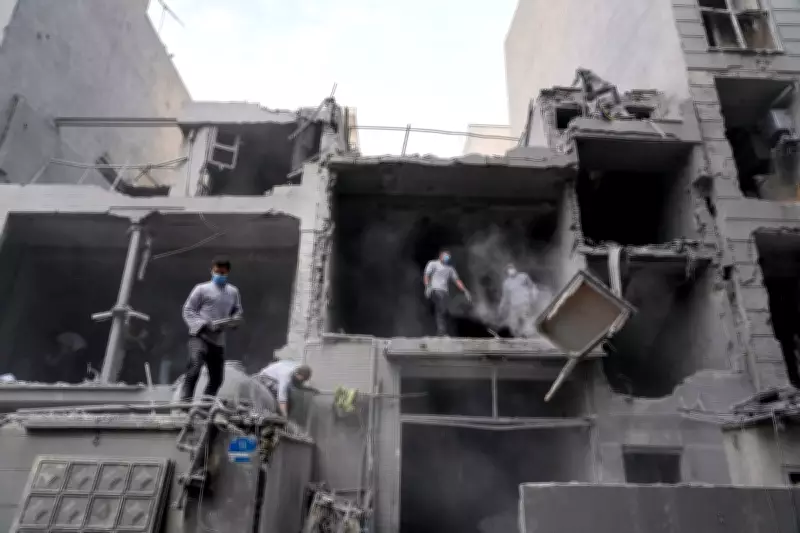
The attack involved the launch of more than 300 missiles and drones from Iranian territory. Israeli defense systems, including the Iron Dome, were activated to intercept the incoming projectiles. Preliminary reports indicate that the majority of the threats were successfully neutralized, but some impacts have been confirmed, causing damage in several areas.
This assault marks the first direct military action by Iran against Israel from its own soil, a notable departure from previous proxy engagements through groups like Hezbollah. The scale and nature of the attack have been described by analysts as unprecedented, signaling a bold and risky strategic shift by Tehran.
International Reactions and Diplomatic Fallout
The United States has swiftly condemned the attack, reaffirming its unwavering support for Israel's security. President Joe Biden stated that American commitment to defending Israel is "ironclad", and U.S. military assets in the region are on high alert. Diplomatic efforts are underway to prevent further escalation, with calls for restraint from global powers.
Other nations, including the United Kingdom and France, have also expressed deep concern, urging de-escalation to avoid a full-blown regional war. The United Nations Security Council is expected to convene an emergency session to address the crisis.
Background and Context
The attack is widely seen as a retaliatory response to a recent strike on an Iranian diplomatic compound in Damascus, Syria, which Tehran attributes to Israel. That incident resulted in the deaths of several Iranian military officials, including senior commanders, and had already heightened tensions between the two adversaries.
Iran's decision to launch such a direct assault underscores the volatile state of Middle Eastern geopolitics. Experts warn that this could trigger a cycle of retaliation, potentially drawing in other regional actors and complicating international efforts to maintain stability.
Implications for Regional Security
The immediate aftermath of the attack has seen heightened military preparedness on both sides. Israel has vowed to respond decisively, though the timing and nature of its retaliation remain uncertain. The situation poses significant risks to global oil markets and shipping routes in the region, with potential economic repercussions worldwide.
As the crisis unfolds, the international community is closely monitoring developments, emphasizing the urgent need for diplomatic solutions to prevent further violence and instability in an already troubled region.