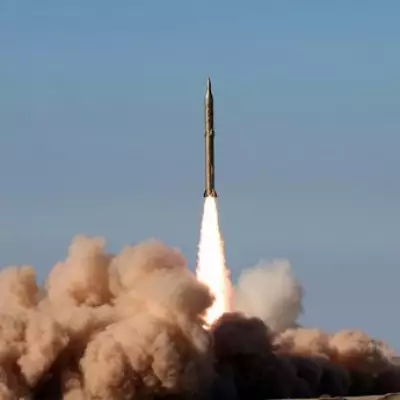
The ongoing war in the Middle East has escalated dramatically on its sixth day, with Iran launching a new wave of missile attacks targeting both Israel and United States military bases in the region. In a coordinated response, Israel has intensified its aerial campaign against Iranian-backed militant groups in Lebanon, resulting in multiple casualties and heightened fears of a broader regional conflagration.
Escalating Military Actions Across the Region
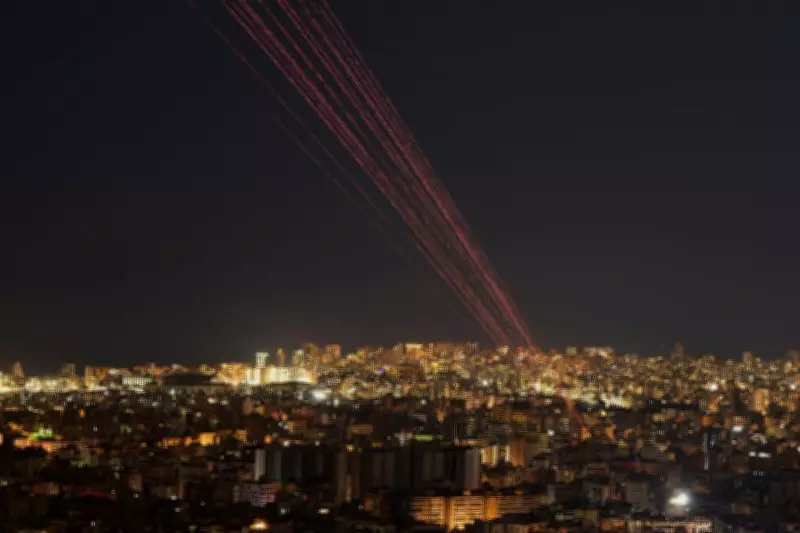
Early Thursday morning, Israeli defense systems were activated to intercept incoming Iranian missiles, marking a significant escalation in direct hostilities between the two nations. Simultaneously, the Israeli military announced new strikes against Hezbollah positions in Lebanon, with Lebanese authorities reporting at least eight fatalities from late Wednesday into Thursday. The conflict has now claimed over seventy lives in Lebanon alone since hostilities reignited four days ago, with more than four hundred thirty people wounded according to official health ministry figures.
Diplomatic Confrontation in Seoul
As military actions intensified, diplomatic tensions spilled over to South Korea where the Iranian and Israeli ambassadors held separate press conferences trading sharp accusations. Iran's ambassador to Seoul, Saeed Koozechi, demanded that South Korea—a key U.S. ally—publicly condemn what he termed "illegal aggression" by American and Israeli forces. He issued a stark warning that "many coffins would return to the United States" if ground forces were deployed, while defending Iranian strikes on Gulf states hosting U.S. bases as unavoidable defensive measures.

Israeli ambassador Raphael Harpaz countered that joint U.S.-Israeli operations aimed to dismantle Iran's nuclear development facilities and ballistic missile sites while liberating the Iranian people from oppression. South Korea, while supporting diplomatic efforts to curb Iran's nuclear ambitions, has refrained from explicitly endorsing the military attacks, instead calling for renewed dialogue between the conflicting parties.
Specific Strike Incidents and Casualties
The violence has manifested in several specific incidents across Lebanon. An Israeli strike targeted the Beddawi Palestinian refugee camp in northern Tripoli—approximately eighty-five kilometers north of Beirut—killing two people and wounding another. This attack marked the northernmost Israeli strike in the current conflict and occurred without prior warning according to Lebanese health authorities. The camp had previously been targeted during the 2024 Israel-Hezbollah war and again in July when Israel struck a Hamas figure there despite a ceasefire agreement.
Separately, an overnight Israeli drone strike on a coastal highway connecting Tyre to Naqoura in southern Lebanon killed three people. The Israeli military had previously warned residents to move north of the Litani River, which serves as a buffer line between Israeli territory and Lebanese villages. Casualty figures include seven children among the dead, though the exact number of civilian versus combatant fatalities remains unclear.
Regional Security and Economic Implications
The Saudi Defense Ministry reported intercepting and destroying a drone in al-Jawf province near the Jordanian border, highlighting how the conflict is spreading across the region. Meanwhile, Tehran has issued warnings about the potential destruction of Middle Eastern military and economic infrastructure, concerns that have already materialized in financial markets. Oil prices resumed their upward trajectory early Thursday as traders reacted to the escalating violence, with energy markets taking their cues directly from conflict developments.
The war represents the most serious confrontation between Iran and Israel in years, with both sides demonstrating willingness to strike directly at each other's territory and allies. The involvement of U.S. bases adds an additional layer of complexity to the conflict, raising concerns about broader international involvement. As diplomatic efforts struggle to gain traction and military actions intensify, the humanitarian toll continues to mount with no immediate resolution in sight.