Iran Receives US 15-Point Ceasefire Plan via Pakistan, Officials Confirm
Two Pakistani officials have disclosed that Iran has formally received a comprehensive 15-point ceasefire proposal from the United States, aimed at halting the ongoing war. The officials, speaking on Wednesday under conditions of anonymity due to lack of authorisation to release details, confirmed the receipt to The Associated Press. This development comes amidst escalating military actions and diplomatic manoeuvres in the Middle East.
Details of the US Proposal
The Pakistani officials broadly outlined the proposal, indicating it addresses multiple critical areas. Key points include sanctions relief for Iran, enhanced civilian nuclear cooperation, and a rollback of Iran's nuclear program under monitoring by the International Atomic Energy Agency. Additionally, the plan proposes missile limits and guarantees access for shipping through the Strait of Hormuz, the narrow and strategic entrance to the Persian Gulf.
An Egyptian official involved in mediation efforts described the American proposal as "a comprehensive deal" to achieve a truce. This official, also speaking anonymously, noted that the plan includes restrictions on Iran's missile program and its support for armed groups, alongside provisions for unimpeded traffic through the Strait of Hormuz. However, he emphasised that the proposal is currently "being treated as a base for further negotiations" between the nations.

Iran's Skeptical Response and Regional Escalation
Despite the diplomatic overture, Iran has publicly insisted it is not engaged in negotiations with the US. A military spokesman mocked America's efforts on Wednesday, reflecting deep-seated skepticism. The Egyptian official likened the 15-point plan to the Gaza ceasefire's 20-point plan, suggesting it would require "immense efforts to hammer out the details" if both sides agree to negotiate.
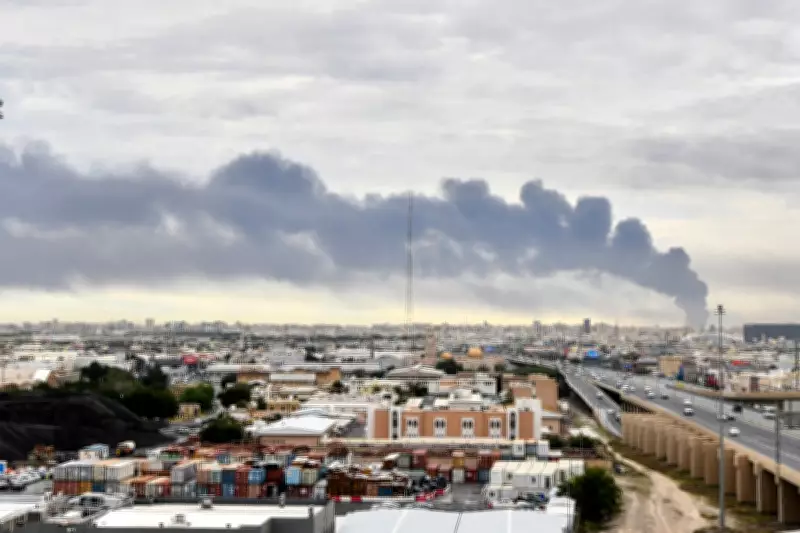
The remarks from Islamabad and Cairo coincided with increased military activity. As the US submitted the plan through Pakistani intermediaries—who have offered to host renewed talks—it also began moving paratroopers to the Middle East to reinforce Marines deployed there. In response, Iran's military launched further attacks on Israel and the Persian Gulf region, including an assault that ignited a fire at Kuwait International Airport.
Broader Implications and Global Concerns
The ceasefire proposal emerges as the war nears the end of its first month, with growing pressure on the US to seek an end to hostilities. Iran's aggressive tactics, such as targeting regional energy infrastructure and tightening its control over the Strait of Hormuz, have had severe global repercussions. Approximately one-fifth of the world's oil is shipped through this waterway, and Iran's actions have driven oil prices to skyrocket, unsettling world markets and stoking fears of a widespread energy crisis.
This situation underscores the complex interplay of diplomacy and military strategy in the region. While the US attempts to broker peace through detailed proposals, Iran's simultaneous military escalations highlight the challenges in achieving a lasting ceasefire. The involvement of intermediaries like Pakistan and Egypt points to a multilateral approach, but success hinges on overcoming mutual distrust and aligning conflicting interests.