Iranian Regime Defiant: Assassinations Won't Topple Tehran's Political Structure
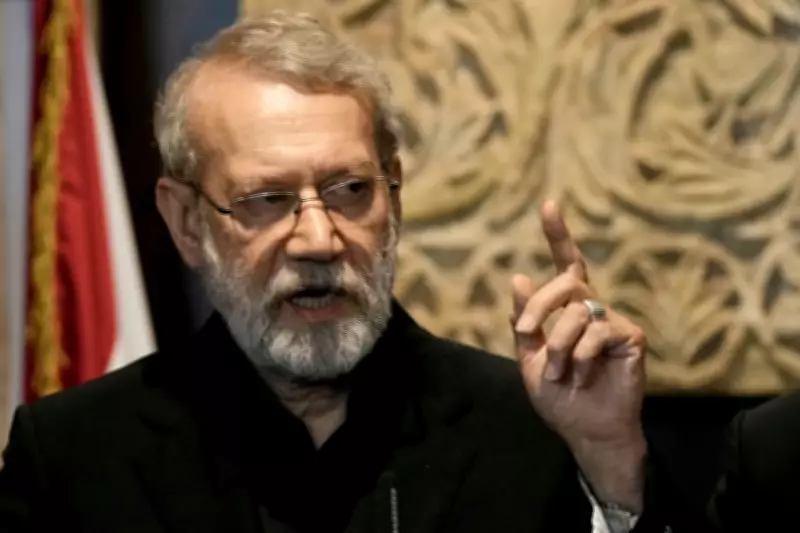
Iranian Foreign Minister Abbas Araghchi has issued a resolute statement, asserting that the recent wave of US-Israeli assassinations, including the killing of security chief Ali Larijani, will not destabilise Tehran's strong political framework. In an interview with Al Jazeera, Araghchi emphasised that Iran possesses a robust political system with well-established political, economic, and social institutions, which he described as resilient against external threats.
Confidence in Institutional Resilience
Araghchi highlighted that the presence or absence of a single individual does not affect this solid structure, underscoring the regime's confidence in its institutional foundations. He pointed to the assassination of Supreme Leader Ayatollah Ali Khamenei on 28 February as a key example, noting that the political system continued to function effectively despite what he termed a significant national loss. This reference serves to illustrate Iran's perceived ability to withstand high-profile attacks without collapsing.
Context of Recent Events
The minister's remarks come amid heightened tensions, with Tehran confirming the death of security chief Ali Larijani and former US President Donald Trump criticising Nato for what he called 'abandoning' the United States. Araghchi's comments are seen as a direct response to these developments, aiming to project an image of stability and defiance in the face of external pressures. He reiterated that such assassinations are viewed as futile attempts to undermine Iran's sovereignty and political integrity.

Broader Implications for Regional Stability
Araghchi's statements also touch on broader geopolitical dynamics, suggesting that Iran's political resilience could influence regional stability. By asserting that the regime will 'not be overthrown by assassinations,' he sends a clear message to adversaries about the futility of such tactics. This stance is part of a larger narrative where Iran positions itself as a steadfast actor in the Middle East, capable of enduring internal and external challenges without faltering.
Overall, Araghchi's interview underscores Iran's unwavering confidence in the durability of its political framework, even as it navigates complex international relations and security threats. The regime's emphasis on institutional strength over individual leadership highlights a strategic approach to maintaining power and influence in a volatile region.