Iran's Nuclear Programme Could Be Rebuilt in Wake of US-Israeli Strikes
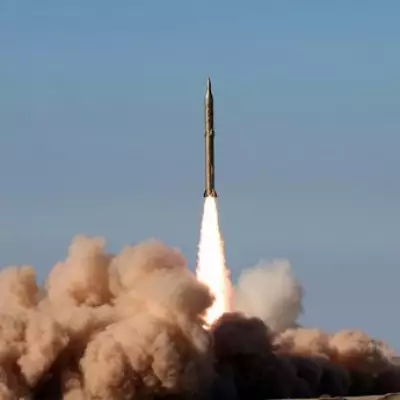
Security experts are warning that Iran could rapidly reconstitute its nuclear weapons programme in a desperate attempt to maintain power and prevent revolution. This alarming assessment comes as the Iranian Revolutionary Guard intensifies missile and drone attacks across the Middle East, targeting multiple nations within the last twenty-four hours.
Regional Escalation and Leadership Changes
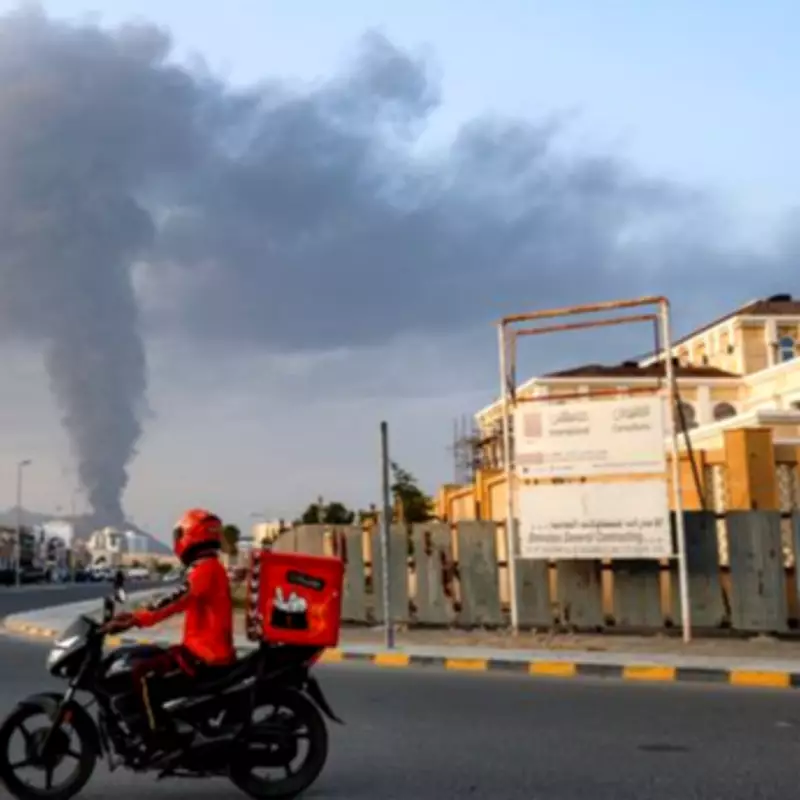
The conflict has escalated dramatically with Azerbaijan becoming the latest country to face Iranian aggression, following strikes against the United Arab Emirates, Oman, Iraq, Kuwait, Qatar, Bahrain, and even an RAF base in Cyprus. Despite these widespread attacks, Iran's hardline leadership shows no indication of relinquishing control.
Mojtaba Khamenei has assumed the role of new ayatollah following his father's death in recent air strikes. In a fiery statement today, he demanded "the shedding of blood" from Israelis and former President Donald Trump, characterizing the ongoing conflict as a "great test" for the nation.

Nuclear Capabilities and Expert Warnings
Although Iran's nuclear infrastructure suffered significant damage from recent US-Israeli strikes and a targeted operation last year, observers fear the programme could be resurrected. Global security analyst Jeffrey Lewis emphasized the persistent threat, stating: "If the strike does not succeed in removing a regime there remain thousands of people in Iran capable of reconstituting a programme like this."
Lewis further explained that the nuclear technology involved is decades old, and a vengeful Iran might follow North Korea's path, concluding that "it's a dangerous world with the United States, and it's better to go nuclear."
Potential for Protracted Conflict
Professor Anthony Glees of the University of Buckingham expressed grave concerns about the conflict evolving into a "forever war" that could claim hundreds of thousands of lives as the regime fights to suppress revolution. He noted that if aerial regime change were effective, revolution would have erupted immediately after Khamenei's death.
Glees suggested that Israeli and American leaders may have fundamentally misunderstood Iran's ideological foundations, commenting: "This shows a total misunderstanding of the deeply ideological nature of the Iranian regime - fanatical Islamists to their core."
Internal Dynamics and Regime Survival
The professor highlighted the complex internal dynamics within Iran, noting that while many citizens despise the ayatollahs' actions, millions have been indoctrinated by religious leaders. He warned that the regime's supporters "were content to see thousands killed a few weeks ago; they will be content to see hundreds of thousands killed by the Revolutionary Guards in order to sustain the regime of the ayatollahs."
This grim assessment underscores the potential for prolonged violence and the serious possibility of Iran pursuing nuclear weapons as a strategic response to external pressure and internal instability.