Explosive Boats Set Fuel Tankers Ablaze in Gulf as Iran Ramps Up Threats
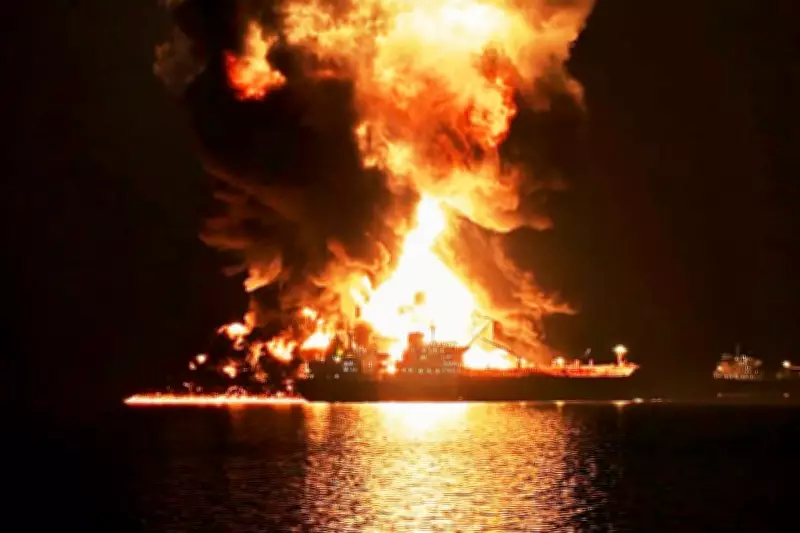
Iran has dramatically escalated its attacks on global shipping in the Gulf, with explosive-laden boats setting two fuel tankers ablaze off the coast of Iraq, resulting in at least one fatality. This incident marks a severe intensification in the ongoing crisis, threatening to more than double global oil prices through Iran's enforced blockade of the critical Strait of Hormuz.
Details of the Attack and Casualties
The Marshall Islands-flagged Safesea Vishnu and the Malta-flagged Zefyros, both carrying fuel cargoes loaded in Iraq, were struck at dawn in the channel. Iranian Revolutionary Guards claimed responsibility for the attack on the Safesea Vishnu, alleging it was a US-owned tanker that ignored warnings. Iraqi rescue teams worked late into the evening, recovering the body of an unnamed foreign crew member and evacuating 25 survivors from the two vessels, with fires still burning on both ships.
Impact on Global Shipping and Oil Markets
Shipping in the Gulf and the narrow Strait of Hormuz, which transports approximately one-fifth of the world's oil, has nearly halted since US and Israel strikes on Iran began on February 28. This has sent global oil prices soaring to highs not seen since 2022. Iran has claimed responsibility for multiple attacks on commercial ships and laid mines this week, disrupting shipping and forcing countries into drastic measures to secure oil and control energy prices.

Broader Context and International Response
Since hostilities erupted, at least 17 commercial ships from various nations, including Thailand, Japan, and the US, have been attacked. In response, the International Energy Agency agreed to release 400 million barrels from global strategic reserves, the largest such intervention in history, aimed at stabilising oil markets. Analysts suggest the latest attack is a direct Iranian response to this move, with Iran's military warning that oil could hit $200 per barrel due to destabilised regional security.
Crude prices stabilised around $90 per barrel on Thursday, down from a $120 high earlier in the week, as investors anticipate potential resolution from US President Donald Trump, who claimed at a rally that the US has already won the war but needs to finish the job. The situation remains volatile, with ongoing threats to global energy supplies and maritime security.