Iran Detains Dozens Accused of Spying for Israel Amid Escalating Conflict
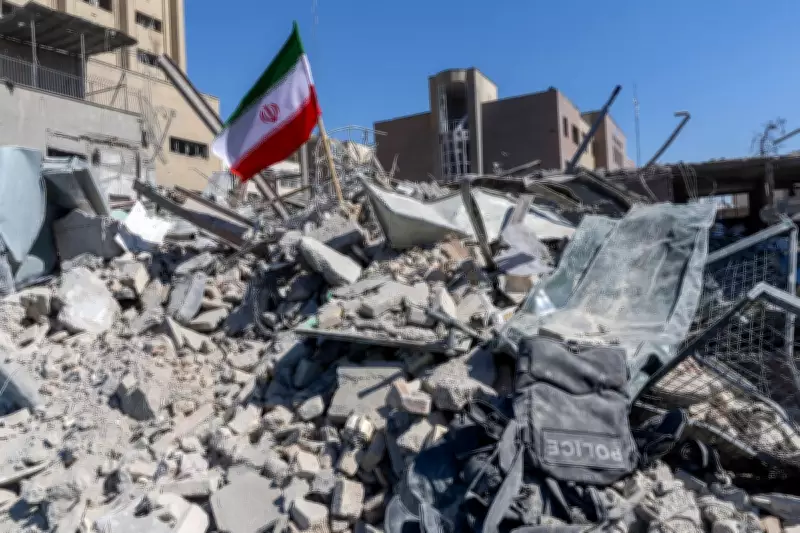
Dozens of people have been arrested across Iran after being accused of collaborating with Israel, according to local media reports on Sunday. These detentions occur amid an escalating conflict involving Israeli and US airstrikes targeting Iranian assets.
Regional Arrests and Allegations
In northwestern Iran, the semi-official Tasnim news agency reported that 20 individuals were apprehended. They are accused by the provincial prosecutor's office of transmitting location data on Iran's military and security assets to Israel. Further east, in a region largely unaffected by recent airstrikes, Tasnim also detailed the arrest of 10 people. Some of these individuals are alleged to have gathered intelligence on sensitive sites and economic infrastructure.
A provincial branch of the Revolutionary Guards' intelligence organisation commented on the situation, as cited by Tasnim. They stated, "As the Zionist enemy (Israel) and the U.S. are attempting to invade Iran, they simultaneously activate mercenaries and spies to carry out riots as the next step." Separately, the Student News Network reported the detention of three people in the western province of Lorestan for "seeking to disturb public opinion and burn mourning symbols."
Context of Military Actions and Tensions
These arrests coincide with a new phase in Israel's assault on Iran. According to a source briefed on Israel's military strategy, this phase now includes targeting security checkpoints based on intelligence from informants on the ground. Israel has launched additional airstrikes over the weekend, intensifying the conflict.
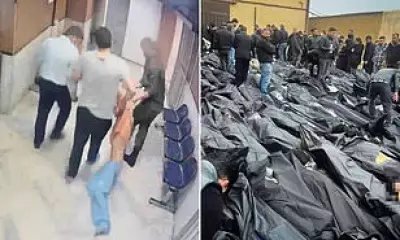
The current tensions follow widespread anti-government protests in Iran in January, which occurred weeks before the US and Israel initiated their current military actions. These demonstrations were met with a deadly crackdown. Iranian authorities had previously attributed the unrest to Israel and the US, accusing them of fomenting "violent riots" aimed at destabilising the clerical establishment.
International Response and Diplomatic Stance
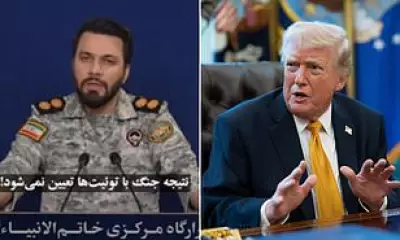
Meanwhile, US President Donald Trump addressed the situation in an interview with NBC on Saturday. He stated that he is "not ready" to agree to a ceasefire deal with Iran at this stage. Trump added that "the terms aren’t good enough yet" as he called on allies to send warships to help end the blockade in the region. This diplomatic stance underscores the ongoing international dimensions of the conflict.
The arrests highlight the internal security measures Iran is implementing as external pressures mount. With accusations of espionage and collaboration, the situation reflects a broader strategy to counter perceived threats from foreign adversaries while managing domestic dissent.