International Law in Critical Condition Amid Global Tensions
International law, a framework painstakingly developed over centuries to prevent the horrors of war, is now facing a severe crisis. Originating from the 17th-century establishment of sovereign nation states and solidified by the United Nations charter after World War II, it was designed to save future generations from conflict. Today, however, many European leaders pay only lip service to it in social media posts and official statements, rendering it largely ineffective in contemporary geopolitics.
Some dismiss international law as hopeless or naive, but it is far from an abstract concept or mere pacifist creed. It was forged by individuals scarred by the brutality of violent nationalism, intended to restrain authoritarian "strong man" leaders. This legal structure underpins major peace initiatives like the European Union and the Good Friday agreement, continuing to curb powerful figures globally. The UK's adherence to the European Convention on Human Rights remains a crucial safeguard, as international law serves as the invisible glue binding nations to resolve disputes peacefully, avoiding tragedies such as the bombing of innocent civilians.
Keir Starmer's Dilemma with Trump and Iran
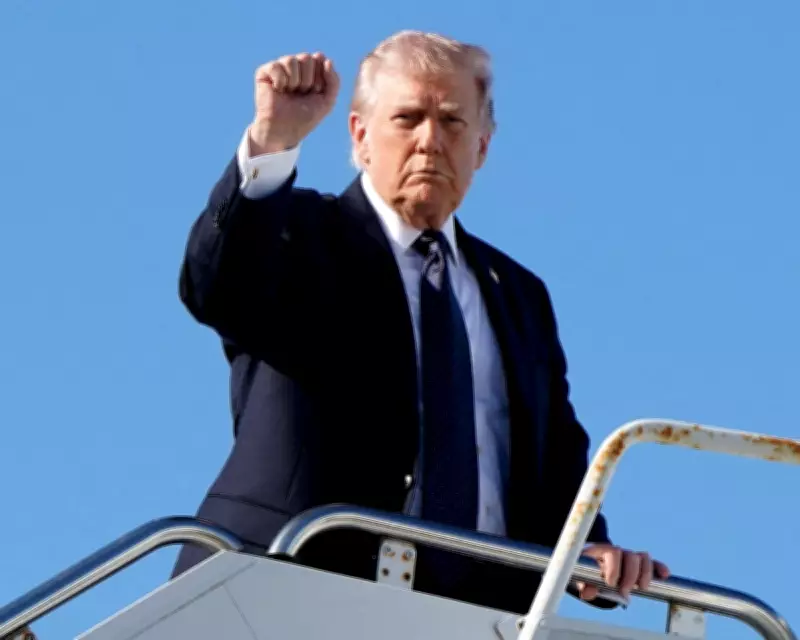
Rafael Behr's analysis of Keir Starmer's position on the Iran conflict underscores the stark difference between making responsible decisions and offering simplistic critiques from the sidelines. Dealing with a US president as unpredictable as Donald Trump presents an almost insurmountable challenge, yet maintaining the vital US-UK relationship necessitates careful diplomacy over rash statements. There is an urgent need for the UK to align more closely with Europe in economics, politics, defence, and security, but this shift must be gradual to avoid destabilising consequences, especially amid the ongoing crisis in Ukraine.

Trump's comparison of Starmer to Winston Churchill is particularly ironic, given Churchill's role in undermining democracy in Iran during the 1950s. Under Prime Minister Mohammad Mosaddegh, Iran sought fairer oil revenue distribution, but Churchill framed this as communist expansion, leading to a US-backed coup in March 1953. The installation of Shah Mohammad Reza Pahlavi initiated decades of repression, perpetuated under subsequent regimes, and continues to afflict the Iranian people today. This historical context highlights the long-lasting impacts of foreign intervention.
Historical Parallels and Military Claims
Trump's leadership style contrasts sharply with figures like Dwight Eisenhower, who warned against the military-industrial complex's influence. Moreover, Trump appears unaware of Churchill's advocacy for diplomacy over conflict, as evidenced by his famous quote favouring dialogue. In recent developments, US Secretary of War Pete Hegseth inaccurately claimed that the sinking of an Iranian warship marked the first such torpedo attack since World War II, ignoring the Royal Navy's 1982 sinking of the Argentine cruiser General Belgrano during the Falklands War.
This oversight underscores broader issues in how military actions are portrayed and understood. As global tensions escalate, the erosion of international law and the complexities of dealing with volatile leaders like Trump demand renewed attention and strategic foresight from policymakers worldwide.