International Criminal Court Ends Venezuela Sanctions Investigation
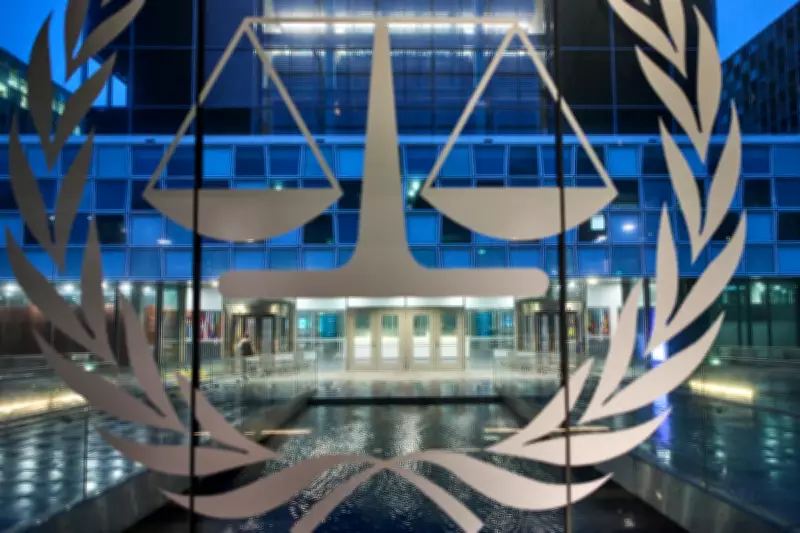
Prosecutors at the International Criminal Court have officially terminated an investigation into whether United States sanctions against Venezuela could be classified as crimes against humanity. The announcement was made on Thursday, marking a significant development in a long-running international legal dispute.
Background and Initial Request
Venezuela formally petitioned the ICC back in 2020, urging the court to examine what it described as "unlawful coercive measures" imposed by the United States. The South American nation argued that asset freezes and travel bans targeting Venezuelan officials, initially enacted under President Barack Obama, had resulted in "widespread suffering" among its population.
Prosecutors' Findings and Decision
Following a preliminary investigation, the ICC prosecutor's office concluded that there was insufficient evidence to proceed with criminal charges. In a detailed statement, the office acknowledged that while sanctions "may have exacerbated an existing dire humanitarian situation," a crucial element was missing: proof of the necessary intent required to classify the actions as crimes against humanity.

The court explicitly stated that closing this investigation is entirely unrelated to the dramatic events of January 2026, when US forces captured Venezuelan President Nicolás Maduro and his wife in a swift military operation. Additionally, the US has conducted multiple strikes on vessels allegedly transporting drugs from Venezuelan waters.
Separate Investigations and Context
This sanctions inquiry is distinct from the ICC's ongoing probe into potential crimes committed by Venezuelan security forces during the 2017 crackdown on anti-government protests under Maduro's administration. The court's decision comes amid internal challenges, including last year's order for Chief Prosecutor Karim Khan to recuse himself from the Venezuela investigation due to a conflict of interest. Khan's sister-in-law, international lawyer Venkateswari Alagendra, has been part of the legal team representing Maduro's government.
Currently, Khan is on temporary leave from the ICC pending an investigation into allegations of sexual misconduct, adding another layer of complexity to the court's operations.
Contrasting Development: Belarus Investigation Advances
In a contrasting move announced the same day, the ICC prosecutor's office confirmed it is moving forward with an investigation into possible crimes against humanity in Belarus. This probe was initiated following a 2024 request from Lithuania, which alleges that Belarusian President Alexander Lukashenko forcibly displaced dissidents across the border, thereby granting the court jurisdiction. Lithuania is a member of the ICC, whereas Belarus is not.
This decision paves the way for potential charges against Lukashenko and other Belarusian officials. Sviatlana Tsikhanouskaya, the exiled Belarusian opposition leader, welcomed the development, stating in a release to The Associated Press: "This decision restores hope — that justice will prevail, that those responsible will be held accountable, and that the victims will finally receive truth and justice."
The report includes contributions from Yuras Karmanau in Tallinn, Estonia, highlighting the international scope of these judicial matters.