China's Hubei Province Intensifies Fentanyl Crackdown with Arrests and Website Closures
Chinese authorities in Hubei province have launched a significant crackdown on the fentanyl precursor trade, arresting seven people and shutting down more than 200 websites in recent months, according to state media reports. This move addresses a contentious issue that has strained diplomatic relations between China and the United States, with the latter imposing tariffs in an effort to curb the export of these chemical ingredients.
Task Force Investigates 22 Cases in Hubei Province
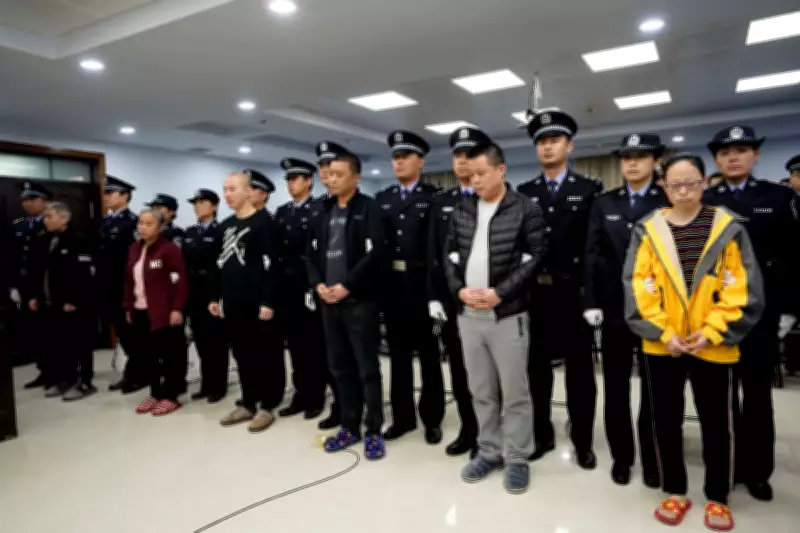
The Hubei Daily News reported online that a specialised fentanyl precursor task force, established in December, investigated 22 cases in the province through February. In addition to the seven arrests, a dozen other individuals have faced coercive measures, which can include being summoned or detained. Four companies have also been penalised as part of the operation.
The official Xinhua News Agency confirmed these details, noting that the task force was set up following a directive from China's Ministry of Public Security. This crackdown aligns with an agreement made by China at the end of October to take steps to halt the precursor trade, in exchange for a reduction in fentanyl-related tariffs on U.S. imports from China to 10%.

International Cooperation and Shell Company Schemes
In one notable case, information provided by the U.S. Drug Enforcement Agency assisted police in Wuhan, the provincial capital, in uncovering a company that was selling precursor chemicals and stimulants. The individual controlling this company was arrested in early December with cooperation from police in Shandong province.
Another case involved the arrest of two people accused of establishing shell companies to sell drugs and chemicals that could be used to manufacture drugs overseas. These actions highlight the international scope of the fentanyl trade and the collaborative efforts between Chinese and U.S. authorities to combat it.
Tariff Disputes and Diplomatic Tensions
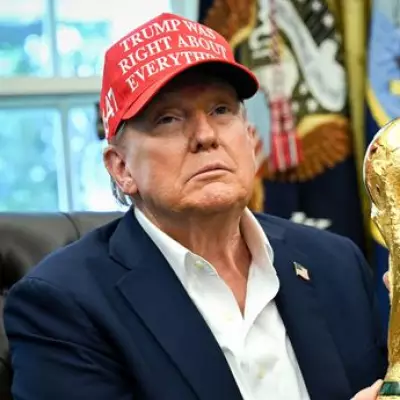
U.S. President Donald Trump has cited the fentanyl issue as a key reason for imposing tariffs on China, initially setting a 10% tariff soon after taking office and later increasing it to 20%. Additional tariffs were layered on China and other countries starting in April, leading to an escalating trade war with China responding with its own tariffs.
A one-year truce was announced, along with the agreement to roll back the fentanyl-specific tariff to 10%, following a meeting between Trump and Chinese leader Xi Jinping in South Korea at the end of October. Plans for a second in-person meeting in Beijing around the beginning of next month were underway, but Trump recently stated that his administration is working with China to reschedule the visit for late April.
The announcement of the crackdown came shortly after Trump said he would postpone a highly anticipated trip to China due to the Iran War, underscoring the ongoing diplomatic complexities. Fentanyl precursors are chemical ingredients used in synthetic opioids, blamed for tens of thousands of overdose deaths annually in the U.S., making this a critical public health and international relations issue.