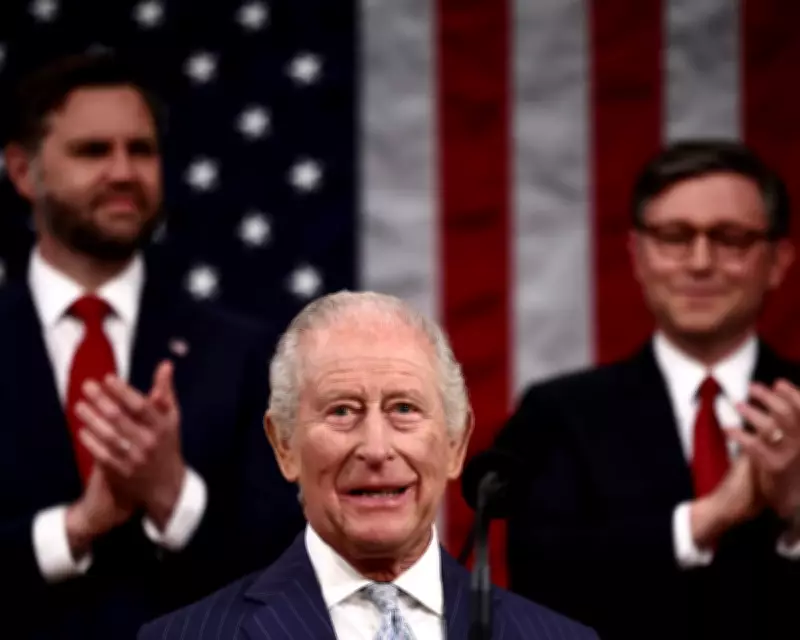
King Charles's address to the US Congress was described as "fantastic" by Donald Trump, but its carefully crafted content contained subtle political messages that did not go unnoticed. The speech, which earned a standing ovation from the joint session, referenced NATO, support for Ukraine, and the importance of checks on executive power, drawing applause from Democrats.
A Collaborative Effort
The speech was the result of close collaboration between Buckingham Palace, Downing Street, and the Foreign Office. Key figures involved included the king's private secretary, Sir Clive Alderton, who liaised with Number 10 and the Foreign Office, and deputy private secretary Theo Rycroft. The UK ambassador to the US, Christian Turner, and his deputy James Roscoe also discreetly channeled the White House's perspective.
Crafting the Message
Drafts were refined repeatedly, with the king personally editing in red ink, adding and crossing out text. The speech included jokes to lighten the serious message, though the origin of the gift of a bell from HMS Trump remains unknown. The final address appealed to much of the US political class, though its impact on the Trump administration may take time to assess.

Historian Anthony Seldon praised the speech as "exceptional," noting that it was "very brave, very smart, very clever." He suggested that its true impact would be judged in the long term, influencing how Republicans and Democrats view NATO, the Ukraine war, and executive power.
Reactions and Analysis
Jonathan Dimbleby, the king's biographer, described the address as an "implied rebuke to Trumpery" and an "eloquent plea" for democracy and the rule of law. Former UK ambassador Lord Darroch called it "brave and bold and actually really excellent," noting it was "full of implied rebuke" without direct criticism.
Republican Senator Lindsey Graham said the speech provided a "much-needed morale boost" for US politicians, while Congressman Michael Baumgartner praised the king's comments on military capability but stressed that "actions, not words" matter. Baumgartner remained critical of Prime Minister Keir Starmer, referring to him as a "leftist weeny."
Overall, the speech was seen as a masterful piece of diplomacy, balancing warmth with pointed messages, and carefully crafted to navigate the strained UK-US relationship.