Global Crisis Deepens as Hormuz Strait Blockade Threatens Oil and Economy
Before the United States and Israel launched a barrage of missile and bombing strikes against Iran three weeks ago, the Strait of Hormuz ranked among the world's busiest maritime corridors. This narrow deep-water bottleneck, no wider than the English Channel and situated between the United Arab Emirates and Iran, witnessed 140 vessels traversing its waters daily prior to February 28. Since that date, traffic has plummeted to a mere 90 ships, predominantly destined for China.
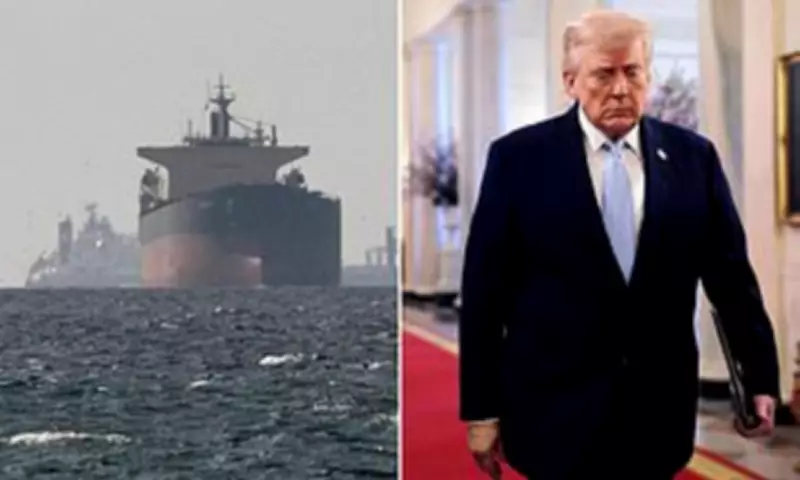
If the United States fails to maintain this crucial route open amidst Iranian counter-attacks, even this diminished flow of exports could cease entirely. The economic ramifications are severe, not only crippling nations north of the Strait—including Kuwait, Iraq, Bahrain, Qatar, and the UAE—but also depriving the global market of essential oil and gas supplies.
Overland Alternatives Prove Impractical
Overland transport on any significant scale remains impossible due to the absence of pipelines and the vulnerability of tanker convoys to Iranian drone strikes. On Thursday, Iran targeted the terminus of the sole trans-Saudi Arabian pipeline at the Red Sea port of Yanbu, prompting Riyadh to threaten military involvement. Saudi Foreign Minister Prince Faisal bin Farhan stated: 'This pressure from Iran will backfire politically and morally, and certainly we reserve the right to take military actions if deemed necessary.'

As the world's largest oil exporter, Saudi Arabia's blocked trade routes could precipitate dire consequences for the global economy. The critical questions now are whether the West can keep the Strait open, how it might achieve this, and which nations with vital regional interests are prepared to assist the United States.
Nations Taking Sides in the Crisis
Saudi Arabia: Will Help
Initially hoping to avoid direct conflict with Iran despite hosting significant US and British military bases, Saudi Arabia saw its neutrality shattered when Iran struck both its capital and the Yanbu oil terminal. This attack undermined Saudi hopes of continuing exports from its west coast while Gulf ports remained closed. In response, the kingdom's formidable air force, including American F-15s, may be deployed. Following a £105 billion arms deal with the US last May, Saudi Arabia could attempt to rally regional allies like Egypt and Iraq, though Pakistan has resisted overtures due to concerns about inflaming its Shiite minority.
Denmark: Will Help
With Danish company Maersk handling approximately 20% of global shipping containers—accounting for nearly a quarter of Denmark's exports and 15% of its GDP—the blockade has stranded ships on both sides of the Strait. Danish Foreign Minister Lars Lokke Rasmussen has called for an EU-wide response, emphasizing: 'We must face the world as it is, not as we want it to be.' Despite past tensions with the US over Greenland, Denmark's navy, equipped with ten mine-detection vessels, may provide crucial support.
Argentina: Will Help
Argentina has pledged naval assistance, with President Javier Milei seeking to curry favor with Washington. This move is potentially aimed at securing US support for Argentina's claim to the Falkland Islands, especially given the UK's reluctance to engage militarily in the Gulf.
Romania: Will Help
While its navy focuses on Black Sea defense, Romanian President Nicusor Dan has offered access to airbases for refueling and surveillance operations, leveraging its reliance on the US-developed Aegis Ashore missile system.
United Kingdom: Might Help
Despite criticism from Donald Trump over its depleted naval capacity—including the retirement of minesweeper HMS Middleton in January—the UK has permitted US forces to use British bases for offensive operations. Energy Secretary Ed Miliband indicated potential support through autonomous mine-hunting equipment, such as the Sweep and SeaCat systems based in Bahrain.
Finland: Might Help
Finnish President Alexander Stubb has expressed openness to European assistance in exchange for increased US support against Russia in Ukraine, suggesting ongoing diplomatic discussions.

Nations Declining to Intervene
France: Won't Help
President Emmanuel Macron has firmly stated that France will not participate in operations to open the Strait, citing non-involvement in the conflict. Finance Minister Roland Lescure added that any action would require de-escalation to avoid missile and drone risks.
Germany: Won't Help
p>A German government spokesman emphasized that the war is not a NATO matter, though soaring oil prices could threaten Germany's automotive industry, which lags behind Chinese electric vehicle innovation.Italy: Won't Help
Despite Prime Minister Giorgia Meloni's support for Trump, Italy has ruled out military aid due to public opposition and upcoming elections, aligning with the EU's cautious stance.
Japan: Won't Help
While Prime Minister Sanae Takaichi offered diplomatic praise, Japan has resisted military involvement, prioritizing threats from China and North Korea over Gulf conflicts.
Pro-Iran and Vulnerable Nations
Russia: Pro-Iran
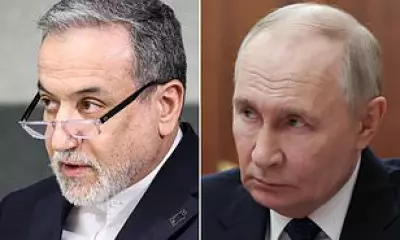
Vladimir Putin is providing Iran with intelligence and satellite imagery, exploiting the conflict to destabilize the West without needing oil imports himself.
China: Pro-Iran
China faces a 40% reduction in oil imports from Iran, now receiving one million barrels daily instead of 1.7 million. Stockpiling efforts have led to shortages domestically and for neighbors like Vietnam and Taiwan.
Pakistan: Pro-Iran
Pakistan has secured safe passage for its tankers through deals with Iran, though at significant cost, reflecting its alignment with China.
India: At the Mercy of Iran
p>India's reliance on Iranian liquefied petroleum gas for fertilizer production places it in a precarious position, with potential famine risks in Africa if supplies dwindle.South Korea and Taiwan: At the Mercy of Iran
Both nations depend on Iranian helium for semiconductor manufacturing, with shortages threatening global electronics supplies and leaving them vulnerable to aggression from North Korea and China.
The Nuclear Nightmare Scenario
As tensions escalate, fears of nuclear confrontation grow. Iran and Russia allege an Israeli missile strike near the Bushehr nuclear plant, while Israel's Dimona facility could be targeted, risking a Chernobyl-style disaster. The potential use of dirty bombs or retaliatory nuclear strikes underscores the conflict's catastrophic possibilities.
Mark Almond, director of the Crisis Research Institute in Oxford, highlights the unfolding humanitarian and economic devastation as the world grapples with this escalating crisis.