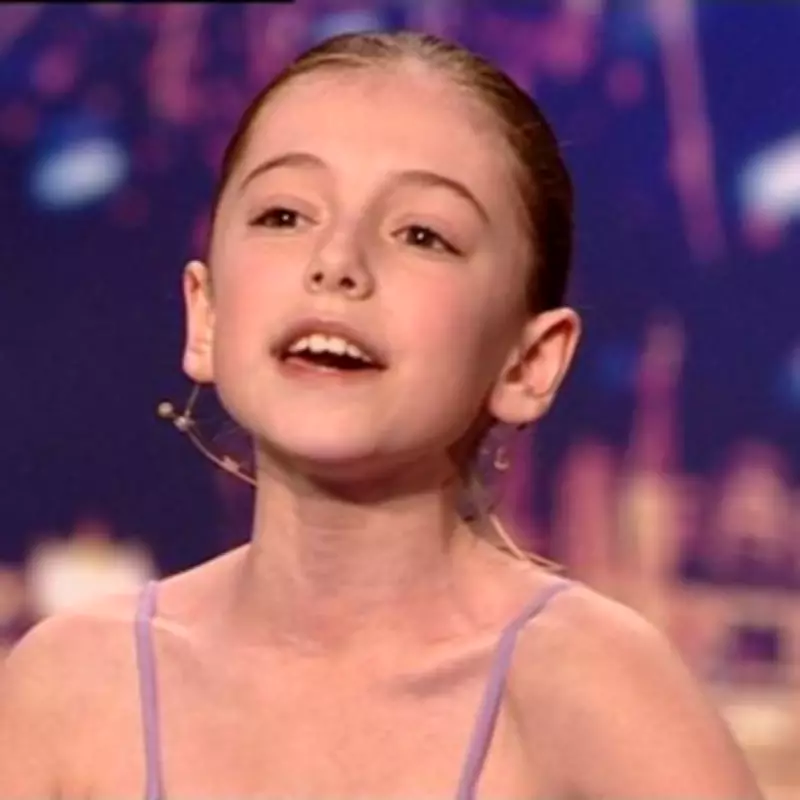
Seventeen years have passed since a young Hollie Steel first captivated the nation on Britain's Got Talent, her angelic voice belting out classical tunes that left judges Simon Cowell and Amanda Holden utterly stunned. The talented singer was just ten years old when she competed on the ITV talent show in 2008, emerging as a serious contender for the crown. Today, at 27, she looks completely different, having forged a successful career in major musicals and released three albums.
The Infamous Panic Attack That Shocked Viewers
During the semi-finals, the intense pressure of the competition proved overwhelming for young Hollie. She suffered a severe panic attack live on camera, sobbing uncontrollably mid-performance. In a remarkable display of compassion, Simon Cowell took the extraordinary step of allowing her a second chance to perform, which propelled her into the final round.
Despite her undeniable vocal gifts, Hollie ultimately placed sixth in the competition, overshadowed by the victorious dance troupe Diversity. The emotional moment became one of Britain's Got Talent's most memorable and discussed incidents, sparking national conversation about child performers' wellbeing.

A Remarkable Career Transformation
Following her memorable stint on the show, Hollie has undergone a remarkable professional transformation. After three years of intensive training in London, she earned her Diploma in Musical Theatre in 2017. Her career highlights include landing the coveted role of Louisa von Trapp in Andrew Lloyd Webber's UK touring production of The Sound of Music.
Hollie has also graced illustrious stages including New York's Carnegie Hall and entertained passengers aboard Caribbean cruise liners, portraying Frenchy in Grease on the Harmony of the Seas. She has built an impressive online following with more than 35,000 Instagram devotees and 50,000 YouTube subscribers.
Confronting Mental Health Challenges
Beyond the glitz and glamour of the entertainment world, Hollie has been remarkably candid about her ongoing battles with PTSD and anxiety attacks, which she traces back to that traumatic experience on Britain's Got Talent.
In a revealing interview with The Sun, Hollie explained: "I get this thing where I swallow when I'm nervous, so I started doing that and then I couldn't control it. And obviously I didn't have the capacity to gain back control of the panic attack. I was thinking, 'Oh no, it's happened again. Keep going, keep singing. Oh no, Simon looks disappointed. Keep going. Smile.'"
She further disclosed: "I know I have a lot of trauma, even from 14 years ago. When I get on stage, sometimes I go back to that moment when I'm on TV and I'm about to have a panic attack."
The Road to Recovery
Describing her journey toward recovery, Hollie said: "I've done a lot of therapy and counselling where I'm just like, 'You need to breathe, you need to relax. You're enjoying this. You're fine'. I really had to delve deep to accept the panic attacks for what they are and just keep going through it all."
Her frank admissions have sparked widespread discussion surrounding the wellbeing of child entertainers and the mental toll of appearing on competitive talent programmes. The legendary entertainer Bruce Forsyth voiced his concerns at the time, condemning the immense strain placed upon youngsters in these formats.
Forsyth stated: "To put little children through that kind of ordeal I think is wrong. Some poor little girl was crying her eyes out on there. I don't think that's entertainment."
Today, Hollie Steel stands as both a testament to professional resilience in the entertainment industry and a powerful voice advocating for greater awareness of mental health challenges faced by performers, particularly those who enter the spotlight at a young age.