
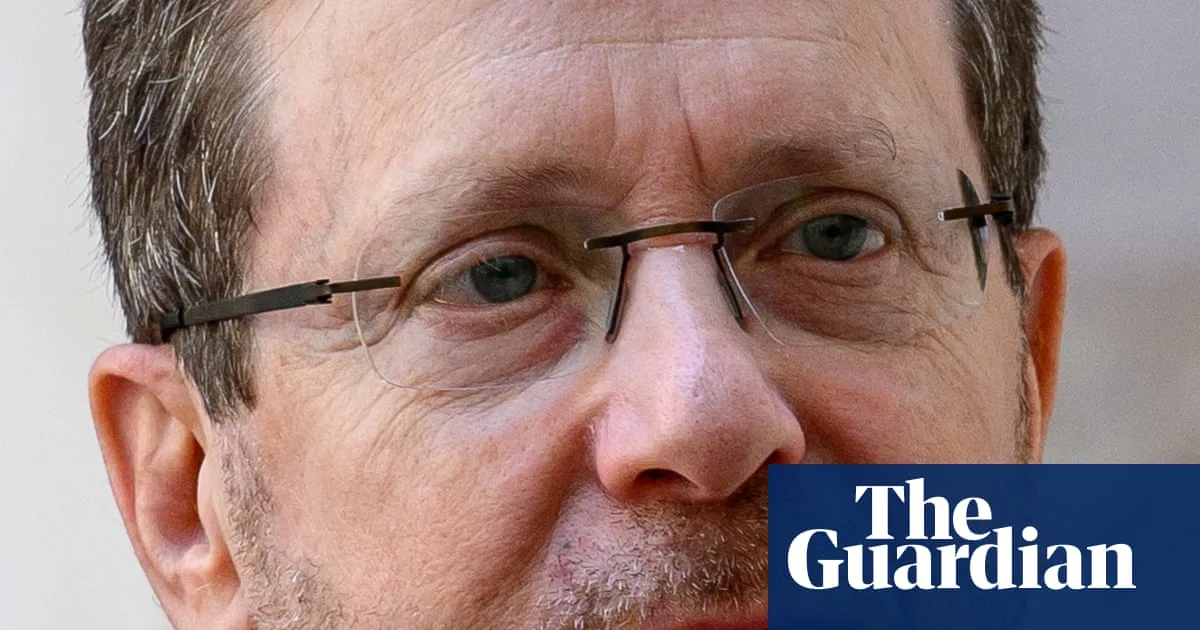
Israeli President Isaac Herzog is set to visit London next week for talks with UK ministers, a trip that comes amid mounting international criticism of his comments on the war in Gaza. Herzog, who has held the largely ceremonial role since 2021, has faced scrutiny over remarks cited in an International Court of Justice (ICJ) order issued in January 2024.
The ICJ, responding to South Africa’s genocide complaint against Israel, said Palestinians in Gaza had “plausible rights to protection from genocide” and listed statements by senior Israeli officials. Among them was Herzog’s assertion that all Palestinians in Gaza were “unequivocally” responsible for the Hamas attack on 7 October, in which he said the “entire nation out there is responsible” and dismissed claims that civilians were unaware or uninvolved.
Herzog has argued that the ICJ selectively quoted him, insisting he also said Israel was “acting in accordance with international law”. However, his defence has been contradicted by evidence, including a statement this week from the International Association of Genocide Scholars accusing Israel of committing genocide. During a visit to Gaza in July, Herzog repeated the official line that Israel was not responsible for starvation in the territory, instead blaming Hamas for looting aid.
Once seen as a potential rehabilitator of Israel’s Labour party, Herzog has been widely regarded as an enabler of Prime Minister Benjamin Netanyahu’s far-right coalition, particularly on the diplomatic front. He praised the “courageous and important security decisions” made by political leadership during the campaign, which has killed more than 65,000 Palestinians and pushed the coastal strip into famine-like conditions.
His forthcoming UK visit is expected to be presented by Israel as a diplomatic coup, with briefings planned for senior media figures. Herzog, son of former president Chaim Herzog and grandson of Israel’s first chief rabbi, has been deployed to represent Israel in countries uncomfortable with Netanyahu, but his tenure has been marked by a stark shift from centrist stalwart to apologist for a war that has drawn global outrage.




