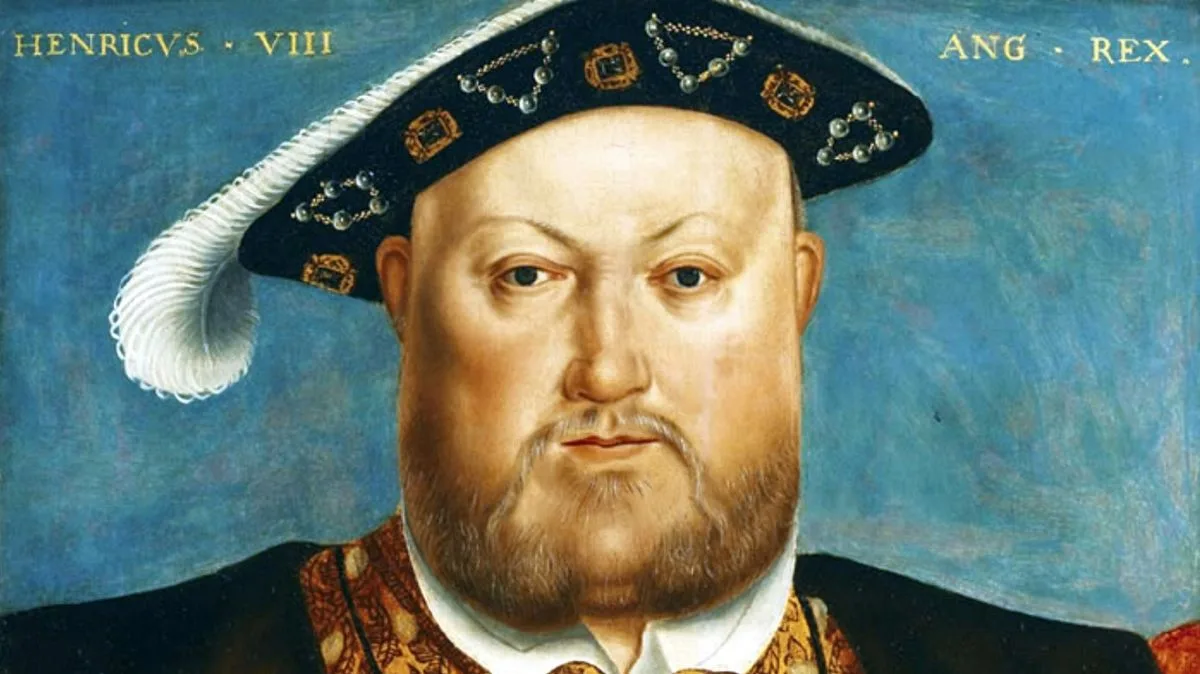
A social media user has sparked a bizarre debate after claiming that King Henry VIII's footwear in a 16th-century portrait resembles a Greggs steak bake. Luke from Manchester posted an image of the Tudor monarch's shoes alongside the popular bakery item, questioning whether the resemblance proves time travel.
The tweet, which has garnered nearly 600 retweets and over 3,000 likes, reads: 'Why do Henry VIII’s shoes look like a Greggs steak bake?' The post has prompted a flurry of humorous responses, with one user joking: 'Because they are, needs to keep those toes warm during winter.' Another added: 'Bro that's cheese and onion. Get a grip.'
Greggs, the UK's largest bakery chain, sells an estimated 1.5 million sausage rolls each week. The portrait in question, dating from 1537 to 1541, shows Henry VIII in his later years, known for his six marriages and the break from the Catholic Church.
While the claim is clearly tongue-in-cheek, it has entertained many online. One user noted: 'On another note - ciabatta (bread) translates to slipper. This has been going on a long time.' The debate shows no signs of cooling down, as the internet continues to find humour in historical comparisons.