Hegseth's Iran Briefing Exposes Contradictions in Ceasefire and Regime Change Claims
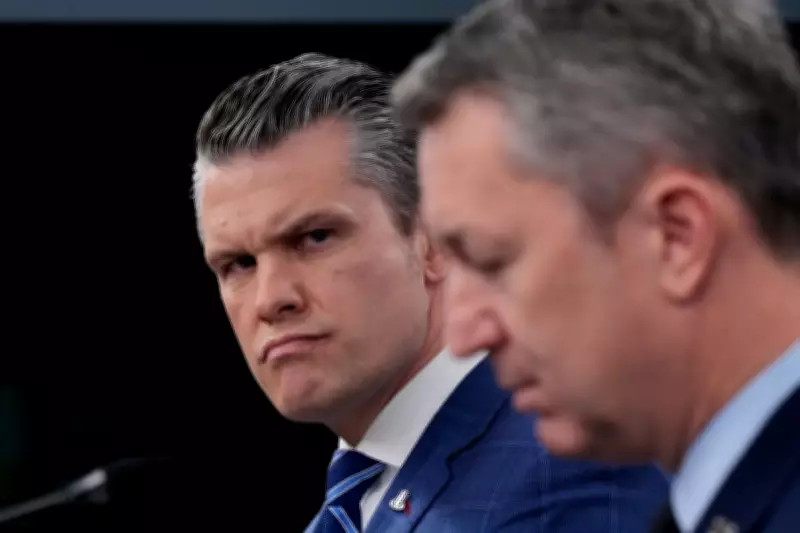
In a revealing press briefing, Defense Secretary Pete Hegseth made several striking admissions about the Iran ceasefire and US military strategy, offering a glimpse into the administration's approach to the conflict. The briefing, held on Wednesday 08 April 2026, highlighted contradictions in official narratives regarding regime change and the use of ground forces.
Trump's 'Victory' and the Fragile Ceasefire
Hegseth declared a "capital-V victory" for America, praising President Trump's "courage and resolve" as unparalleled. He claimed that the US had achieved "every single objective, on plan, on schedule," despite the ceasefire being negotiated long after initial deadlines and involving substantial compensation payments to Iran for damages from bombing campaigns. The tone of the briefing was notably confrontational, with Hegseth dismissing critics and emphasizing Trump's role over the military personnel involved.
Regime Change or Same Old Leadership?
When questioned about the "new regime" in Iran, Hegseth offered a nuanced yet contradictory explanation. He asserted that the regime had changed because it now has "a different interaction with the U.S.," following the deaths of key figures like the former ayatollah and IRGC commanders. However, he acknowledged that the leadership remains largely unchanged, with the new Ayatollah Khamenei being the son of the previous one, suggesting a superficial shift rather than a fundamental transformation.

'Boots on the Ground' Admission
In a significant departure from previous assurances, Hegseth explicitly confirmed that US forces had conducted "boots on the ground" operations in Iran. He described a "midnight raid right in the middle of their country" to rescue a downed American pilot, repeating the phrase for emphasis. This admission contradicts earlier statements that such operations would not occur, highlighting a strategic shift or misrepresentation in public communications.
Confrontational Q&A and Media Criticism
The briefing turned contentious during the Q&A session, particularly when an ABC News reporter challenged Hegseth on Trump's threats of violence against Iran. Hegseth responded defensively, raising his voice and criticizing the question as "an indictment framed as a question." This interaction underscored the administration's hostility toward critical media and its reluctance to address ethical concerns about public threats.
Economic and Strategic Priorities
Hegseth emphasized the reopening of the Strait of Hormuz as a key outcome, linking it to declining oil prices and soaring stock markets. He also urged the Iranian people to "take advantage of this opportunity" to overthrow their government, despite assessments from Israeli intelligence warning that such uprisings would likely be met with brutal suppression by the regime.
The briefing revealed a complex web of contradictions: celebrating a ceasefire while admitting to ground operations, claiming regime change without substantive leadership shifts, and prioritizing economic gains over humanitarian considerations. As the administration continues to navigate the aftermath of the Iran conflict, these disclosures raise questions about the transparency and consistency of US foreign policy under Trump's leadership.