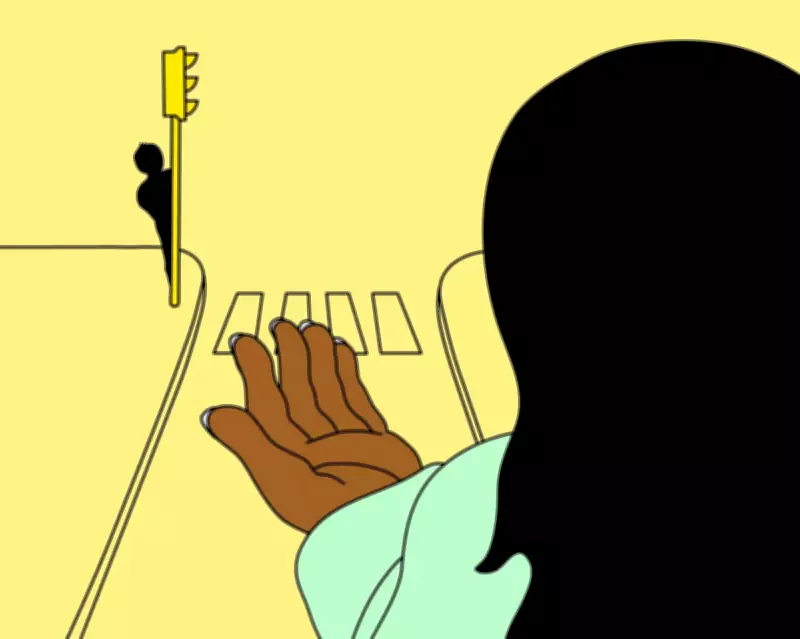
Couple's Hand-Holding Dispute Sparks Debate on Public Affection
In a relationship spanning five years, Chantelle and Hugo find themselves at odds over a seemingly simple act: holding hands in public. Chantelle desires this gesture for reassurance, while Hugo views it as an annoying and impractical display. This disagreement has become a running joke among friends and family, highlighting deeper issues of affection and compromise.
The Case for Hand-Holding: Chantelle's Perspective
Chantelle argues that hand-holding is a low-level form of public display of affection (PDA) that provides her with emotional security. Coming from a family that is "quite huggy and used to touching," she contrasts this with Hugo's background, having attended boarding school from a young age, which she believes contributes to his reluctance. She notes that he occasionally holds her hand during stressful moments, such as when they moved house, or on special occasions like anniversaries, but these instances are rare.
"I'd prefer it if he showed me some affection. It's a small thing that reassures me about the relationship," Chantelle explains. She feels embarrassed in group settings when other couples hold hands, and has urged Hugo to "man up and hold my hand," though he dislikes being asked. Despite Hugo's many positive qualities, such as being chivalrous and handling bills, Chantelle believes more frequent hand-holding would strengthen their bond without guilt-tripping him.

The Case Against Hand-Holding: Hugo's Defence
Hugo counters that he finds hand-holding embarrassing and uncomfortable, especially in front of others. He acknowledges it is less intrusive than other PDAs but cites practical issues like sweaty hands and obstacles like lamp-posts as excuses to let go. Hugo emphasizes that he shows love in other ways, such as holding doors open, walking on the outside of the pavement, and expressing his feelings verbally daily.
"I find it annoying and impractical. If you're holding hands with someone, you have to keep rearranging yourself to avoid taking people out in the street," Hugo states. He views Chantelle's desire as performative, particularly around friends, and feels pressured by her insistence. While he admits to using hand-holding transactionally, such as on her birthday, he believes his reluctance demonstrates resolve rather than coldness, attributing his discomfort to his upbringing in a non-affectionate family environment.
Guardian Readers Weigh In as Jury
A panel of Guardian readers offered diverse opinions on the dispute. Rhiannon, 32, argued that relationships require compromise, urging Hugo to break his family's cycle and hold Chantelle's hand. Max, 33, criticized Hugo for prioritizing his comfort over Chantelle's needs by treating affection transactionally. Jack, 20, suggested Hugo should step out of his comfort zone to meet Chantelle's desires, despite understanding his discomfort.
Leah, 41, a former boarder, empathized with Hugo but sided with Chantelle, advocating for a pressure-free approach to help him enjoy affection. Annie, 49, noted that some people naturally dislike physical touch and encouraged the couple to find alternative ways to express love. These perspectives underscore the complexity of balancing individual preferences with relationship dynamics.
Broader Implications and Poll Results
This case reflects common tensions in relationships regarding physical affection and communication. A recent online poll asked readers whether Hugo should hold Chantelle's hand, with results pending until March 25. In a previous poll, 52% found Amy guilty for warming her mug and pouring water back into the kettle, showing how minor habits can spark major debates. Such discussions highlight the importance of mutual understanding and adaptation in partnerships.
Ultimately, Chantelle and Hugo's story serves as a reminder that even small gestures can carry significant emotional weight, prompting couples to navigate differences with empathy and openness.