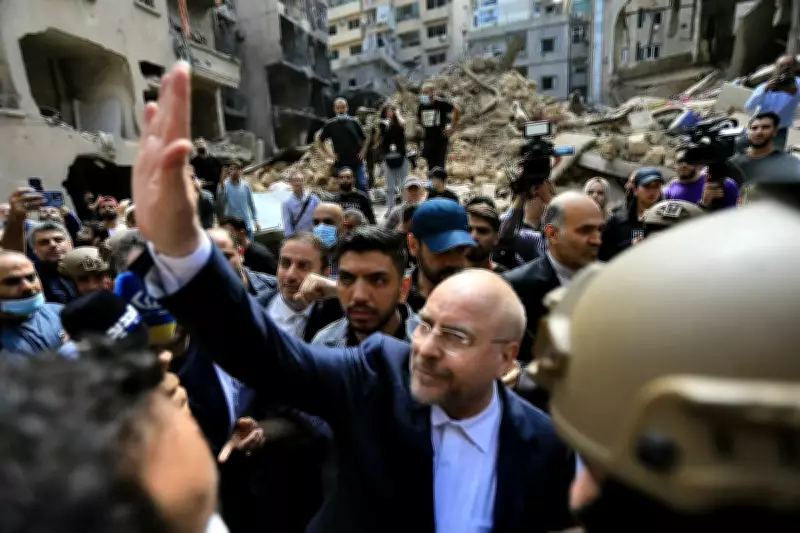
Reports have surfaced indicating that Mohammad Bagher Ghalibaf, the current speaker of Iran's parliament, is being viewed as a potential successor to the Ayatollah, with suggestions that former US President Donald Trump sees him as a 'hot option' for future negotiations. This development follows unverified claims regarding the death of Iran's supreme leader, sparking international speculation about the nation's political future.
Background and Military Career
Ghalibaf, aged 64, is a prominent hardliner with a deep-rooted history in Iran's Islamic Revolutionary Guard Corps. He commanded a combat division and led the Basij paramilitary force, known for its brutal tactics in suppressing dissent. His career is marked by significant involvement in crackdowns, including the suppression of student protests in 1999, where he openly boasted about using force against dissidents to maintain control.
Controversies and Political Ambitions
Despite advocating for religious asceticism, Ghalibaf has been embroiled in several scandals that have tarnished his public image. Notably, the 'LayetteGate' controversy involved allegations of his family engaging in luxury shopping trips, raising questions about his personal integrity. Additionally, during his tenure as mayor of Tehran, he faced multiple accusations of corruption, further complicating his political standing.

Ghalibaf has long harboured ambitions for Iran's top leadership, having made unsuccessful bids for the presidency in 2005, 2013, and 2024. His persistent efforts highlight his determination to ascend to the highest echelons of power, despite facing setbacks and public scrutiny over his controversial past.
US Interest and Diplomatic Implications
The reported interest from Trump in negotiating with Ghalibaf underscores the strategic considerations at play in US-Iran relations. If Ghalibaf were to assume leadership, it could signal a shift in diplomatic dynamics, potentially opening avenues for dialogue amid longstanding tensions. However, his hardline background and history of human rights abuses pose significant challenges to any prospective peace talks.
Iran has officially denied Trump's claims of 'desperate' peace-talk attempts, maintaining a stance of sovereignty and resistance to external influence. The situation remains fluid, with analysts closely monitoring developments as the political landscape in Iran evolves in response to internal and external pressures.