Germany and UK Firmly Reject Trump's NATO Call for Strait of Hormuz Assistance
Leading NATO allies have unequivocally dismissed former US President Donald Trump's demands for military assistance in the ongoing conflict against Iran in the Strait of Hormuz. Germany has insisted the confrontation has "nothing to do" with the military alliance, while the United Kingdom has warned it "will not be drawn into the wider war."
'Not NATO's War': German Chancellor Merz Sets Clear Stance
A spokesman for German Chancellor Friedrich Merz stated bluntly, "It is not NATO's war. NATO is an alliance to defend the alliance area. The United States did not consult us before this war, and so we believe this is not a matter for NATO or the German government." This position was reinforced by German Defence Minister Boris Pistorius, who questioned the strategic value of European naval support, asking what a handful of European frigates could achieve that the powerful US Navy could not.
UK's Starmer Refuses Warship Commitment Despite Oil Supply Fears
UK Prime Minister Sir Keir Starmer publicly refused to commit British warships to help secure the strategic waterway, even after warnings from a former Downing Street advisor about potential "fuel rationing" if supplies dry up. Sir Keir emphasised the complexity of reopening the strait, stating discussions were ongoing for a "credible, viable plan" involving multiple international partners. He stressed the need for broad collaboration with European, Gulf, and US allies before any military action.
Trump Expresses Surprise and Displeasure at Allied Reluctance
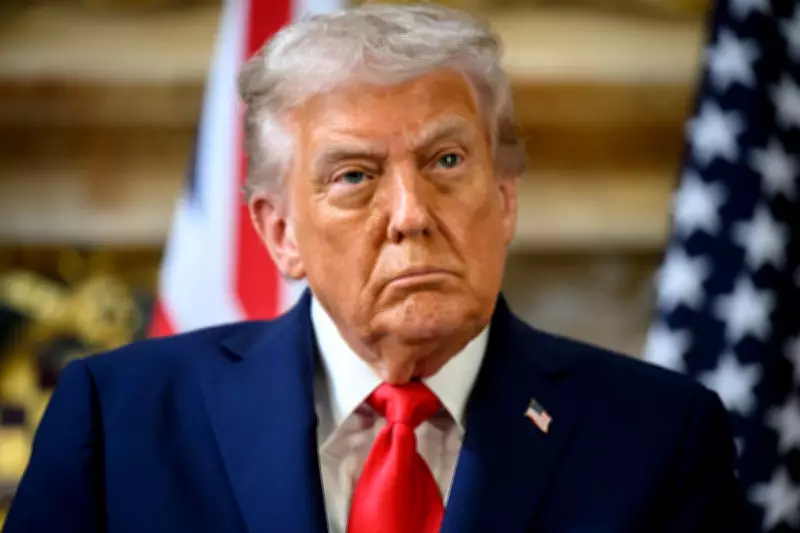
Responding to Sir Keir's stance, Trump said he was "not happy" and "very surprised," adding that allies "should be involved enthusiastically." He had previously warned that NATO faced a "very bad future" if member states did not support the US in the Strait of Hormuz, where Iranian forces are using drones, missiles, and mines to blockade a fifth of global oil supplies.
European Diplomacy Prevails as Italy and Others Advocate Caution
Italian Foreign Minister Antonio Tajani asserted that diplomacy was the right approach, with no current Italian naval missions extendable to the area. UK Work and Pensions Minister Pat McFadden clarified, "It is not a NATO war, it is a US-Israeli action. The articles of association of NATO are that it is a defensive alliance." Meanwhile, a senior Labour source revealed feedback from US political allies expressing "deep despair at the erratic behaviour of the president" and questioning his judgement.
Cautious Signals from Some EU Members Amid Escalating Crisis
Despite the widespread rejection, some European allies indicated a tentative willingness to assist. EU Foreign Policy Chief Kaja Kallas said the bloc is discussing potentially altering the mandate of its Red Sea naval mission, Aspides, to include the Strait of Hormuz. Danish Foreign Minister Lars Lokke Rasmussen urged keeping an "open mind" on European contributions aimed at de-escalation, even if disapproving of the conflict's origins.
Economic and Military Fallout as Conflict Enters Seventeenth Day
The war, now in its seventeenth day, has driven oil prices to a peak of $104 per barrel, one of the highest rates since July 2022, exacerbating global fuel cost concerns. The Israeli military claims it still has thousands of targets in Iran, with new ones identified daily, and has expanded operations in southern Lebanon against Hezbollah, indicating no immediate end to hostilities.
The collective allied response underscores a significant transatlantic rift, with key NATO members prioritising diplomatic solutions and alliance defensive principles over direct military involvement in a conflict they view as unilateral US-Israeli action.