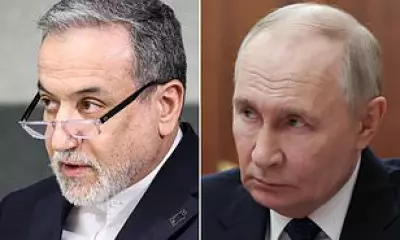
Germany has firmly rejected former US President Donald Trump's urgent plea for NATO assistance in securing the Strait of Hormuz, casting significant doubt on the alliance's involvement in the strategic waterway. Foreign Minister Johann Wadephul explicitly stated that NATO has not made any decision to intervene and cannot assume responsibility for the strait, directly challenging Trump's calls for action.
Trump's Warning and NATO's Response
Donald Trump had previously urged approximately seven countries, including NATO allies, to help reopen the Strait of Hormuz, warning that the alliance faces a "very bad future" if it refuses to assist. This demand comes amid escalating tensions between the United States and Iran, which have disrupted global aviation with widespread flight cancellations and reroutes due to fears of missile and drone attacks.
Global Impact and Economic Measures
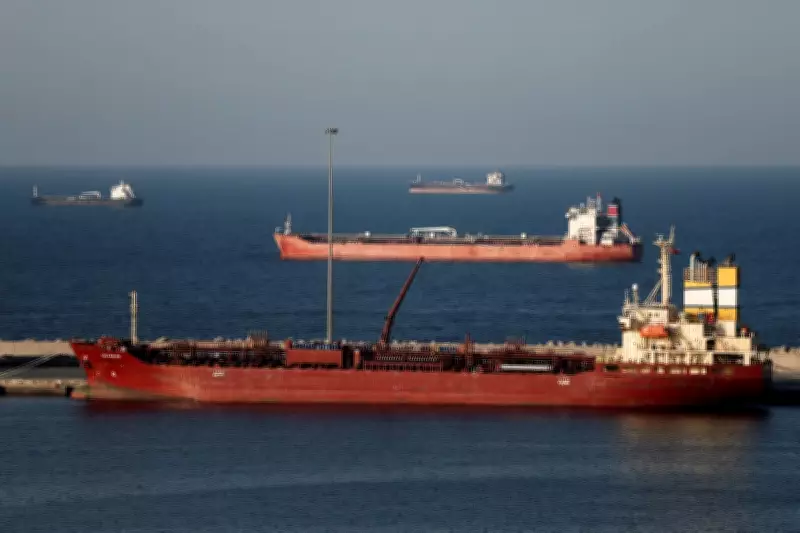
The ongoing conflict has triggered a sharp increase in crude oil prices, prompting the International Energy Agency to announce the release of 400 million barrels from its emergency reserves to stabilise markets. This move highlights the broader economic repercussions of the geopolitical strife centred on the Strait of Hormuz, a critical chokepoint for global oil shipments.
Germany's Stance on NATO's Role
In his remarks, Foreign Minister Wadephul emphasised that NATO's mandate and capabilities do not extend to assuming control or security duties in the Strait of Hormuz. He clarified that the alliance has not deliberated or agreed on any such intervention, underscoring a cautious approach to the volatile situation. This rejection signals a potential rift within NATO over how to address the Iran-US conflict and its implications for international trade and security.
The situation remains fluid, with analysts monitoring how other NATO members might respond to Trump's demands and whether further diplomatic or military actions will unfold. The standoff underscores the complex challenges facing global alliances in managing regional conflicts that have far-reaching consequences for energy supplies and aviation safety.