UK Diplomacy Faces Severe Cuts Amid Global Turmoil
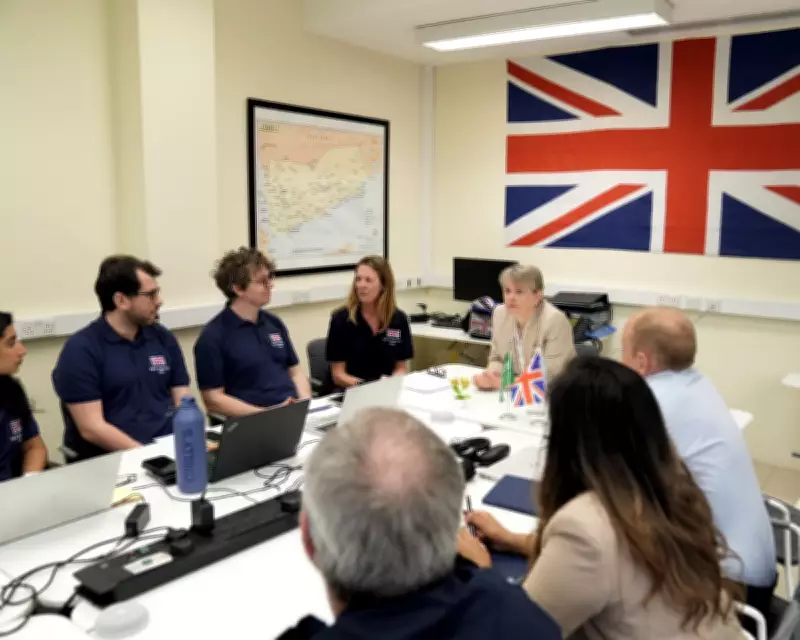
In a world fraught with danger, Britain's diplomats are more crucial than ever, yet they face unprecedented reductions. Foreign Secretary Yvette Cooper, seen with embassy staff in Riyadh, Saudi Arabia, on 12 March 2026, inherits a challenging landscape where expertise is under threat.
Brexit and Trump: A Double Blow to British Foreign Policy
The basic tenets of British foreign policy have been shattered, largely due to external pressures and self-inflicted wounds. Brexit forces diplomats to maintain strained smiles over a decade-old decision, while Donald Trump has turned transactions to his benefit, undermining traditional alliances. The informal exchange of ideas once fostered at EU gatherings has vanished, leaving Britain to knock on doors alone.
Keir Starmer's promised "reset" progresses in fits and starts, frustrating all sides and highlighting a broader issue: the absence of a realistic strategy for Britain's global role. Historically, relationships from Thatcher-Reagan to Cameron-Obama were guided by a mix of hubris and underconfidence, with the Boris Johnson era marked by humiliation management.

Diplomatic Expertise Under Siege
Seasoned diplomats know the reality is nuanced, often developing insurance policies through bilateral and multilateral relationships. These efforts require language skills, expertise, time, and proper funding. However, just when needed most, these resources are being drastically cut back. The Treasury and Downing Street have long held disdain for the Foreign Office, leading to a self-harming scythe through its ranks.
Up to a quarter of the 8,000 UK-based jobs are at risk, starting at director general level and moving downward, with many involved in vital policy analysis. The remaining 9,000 abroad face similar threats. The official line cites transformation for agility, but as one diplomat noted, relying on tools like ChatGPT for insights on Angola is hardly optimal.
Consequences and Criticisms
The damage is already evident, with talented figures leaving for academia, thinktanks, or the private sector. Others spend time job hunting, undermining efforts to navigate crises like the Middle East war, Trump's policies, Russia-Ukraine tensions, and tariffs. Yvette Cooper has prioritized Sudan, yet Africa departments and global south cuts are among the most stringent.
MPs across parties have attacked the plans. Emily Thornberry, chair of the foreign affairs select committee, criticized the restructuring as lacking focus, while Conservative MP John Whittingdale linked it to damaging cuts in the British Council and BBC World Service.
A Global Trend with Local Risks
Britain is not alone; Germany and others are restructuring diplomatic personnel as defence spending rises. However, diplomacy is integral, providing early warnings on climate, health, migration, and demography. Without strong institutional links in Europe or a reliable Atlantic partner, the UK is more vulnerable and reliant on its own resources.
This is no time to cut back on expertise. As challenges mount, maintaining diplomatic strength is essential for navigating an increasingly complex world.