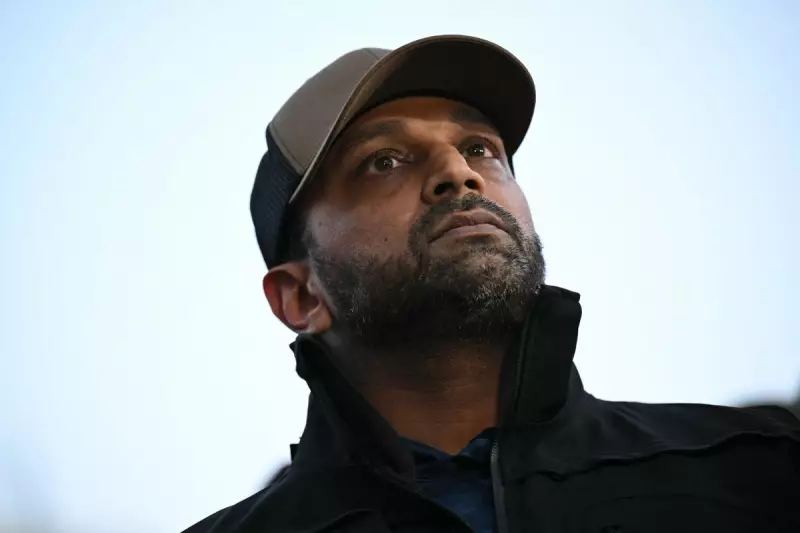
A recent investigative report has sparked controversy by alleging that FBI Director Kash Patel prioritised leisure activities over official duties during key international engagements. According to sources cited in the publication, Patel reportedly expressed a preference for social events, such as attending Premier League football matches and jet skiing, rather than participating in essential meetings with intelligence allies.
Claims of Disinterest in Official Meetings
The allegations centre on a secret Five Eyes Conference held in May, where Patel is said to have shown disinterest in office-based discussions. A senior FBI executive, speaking anonymously, claimed that Patel's staff conveyed his desire to engage in social activities instead of meeting with directors from agencies like the UK's MI5. This has raised concerns about potential impacts on international intelligence coordination and diplomatic relations.
Response from Authorities
In response to these claims, the White House and the FBI have issued strong denials, dismissing the report as based on 'fake narratives,' 'speculation from anonymous sources,' and 'falsehoods.' They emphasise Patel's commitment to his role and the integrity of FBI operations, though the allegations continue to fuel public and political scrutiny.

Additional Allegations of Misplaced Priorities
The report also includes further accusations, suggesting that Patel focused on planning social media posts over coordinating crisis response efforts following the assassination of right-wing activist Charlie Kirk. These claims add to the narrative of a director possibly distracted by personal interests during critical moments, though no concrete evidence has been publicly presented to substantiate these points.
Broader Implications for Intelligence Work
If proven true, such behaviour could undermine trust among the Five Eyes alliance—comprising the US, UK, Canada, Australia, and New Zealand—and affect collaborative efforts on global security threats. The situation highlights ongoing tensions between official responsibilities and personal conduct in high-profile government positions, with observers calling for transparency and accountability in such matters.