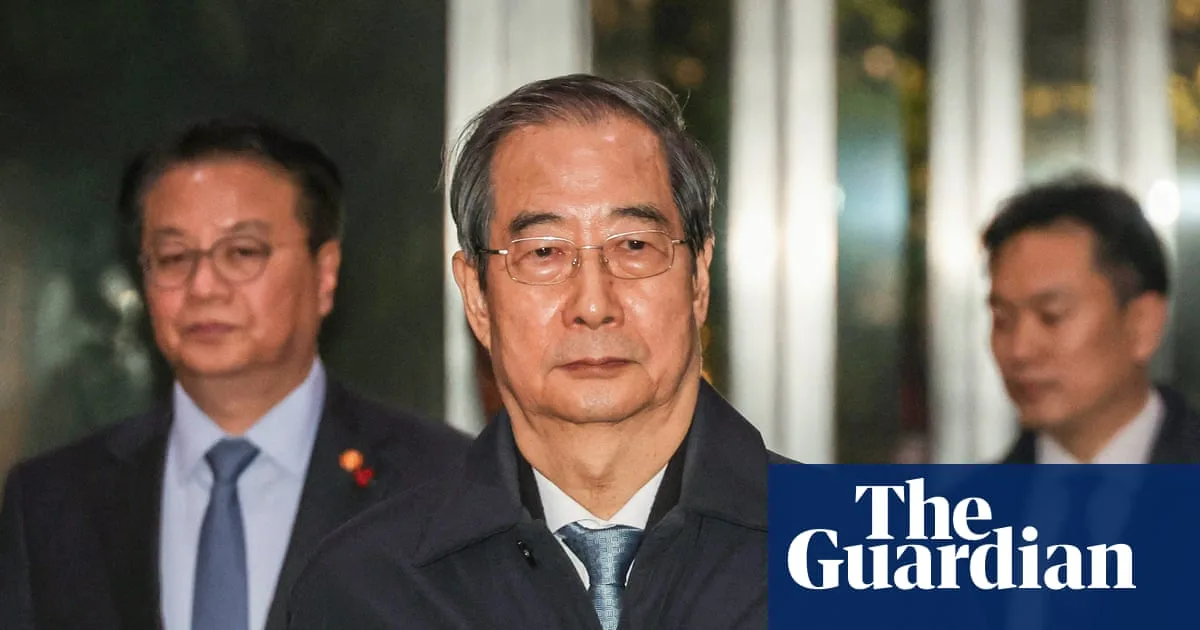
In a landmark ruling with profound implications for South Korean democracy, former Prime Minister Han Duck-soo has been handed a 23-year prison sentence for his central role in the insurrection stemming from ex-President Yoon Suk Yeol's failed martial law declaration in December 2024.
A Historic Verdict and Immediate Detention
The verdict, delivered on Wednesday by Judge Lee Jin-kwan, represents the first judicial confirmation that the events of 3 December 2024 constituted an act of insurrection. The court ordered Han's immediate detention following the sentencing, stripping the 76-year-old former diplomat of the freedom he had maintained throughout his trial.
Exceeding Prosecutorial Demands
Prosecutors had sought a 15-year sentence for Han, arguing he bore unique constitutional responsibility as the only official positioned to block the decree by refusing to countersign it or convene a cabinet meeting. However, Judge Lee rejected this, invoking 1997 insurrection precedents as sentencing guidelines. The judge characterised the event as a "self-coup" by elected powers that presented grave dangers to democratic institutions.
Lee emphasised that Han, serving as prime minister, had a clear constitutional duty to prevent the insurrection but instead "chose to join" it. The court found no evidence of genuine remorse, noting Han had persistently concealed evidence and provided false testimony throughout the legal proceedings.
Damning Evidence and Constitutional Betrayal
Among the most compelling evidence presented was an 8 December phone call in which Han instructed a presidential aide to destroy a backdated martial law document, explicitly stating "let's make it as if my signature never existed." The court established that Han had known about the martial law plan hours before Yoon's televised announcement at 10.28pm on 3 December.
CCTV footage presented during the trial showed Han nodding as Yoon explained the plan and receiving documents including the martial law proclamation. The court found that Han actively created the appearance of a legitimate cabinet meeting to rubber-stamp what was deemed an unconstitutional decree.
Orchestrating a Sham Process
Only six cabinet ministers were summoned in advance to the presidential office. The court determined that Han helped ensure the meeting maintained the minimum quorum required while deliberately preventing any meaningful deliberation among attendees. This manipulation of governmental procedure formed a crucial part of the insurrection charges.
Beyond the central insurrection conviction, the court also found Han guilty of creating false documents, destroying presidential records, and committing perjury during Yoon's impeachment proceedings. These additional charges contributed to the substantial sentence handed down.
A Distinguished Career Ends in Disgrace
Han Duck-soo is a career diplomat who served five presidents across both conservative and progressive administrations, earning a reputation as a political survivor. Yoon appointed him prime minister in May 2022, making him the longest-serving prime minister under any single president in South Korea's democratic history.
Throughout his trial, Han maintained that he privately opposed martial law and was in psychological shock at the time. "I never supported it or tried to help it," he told the court in November. Unlike Yoon and other co-defendants, Han remained free during his trial after a judge rejected his arrest warrant in August, citing "room for legal dispute" over his culpability.
Broader Political Repercussions
The verdict arrives just five days after a separate court sentenced former President Yoon to five years' imprisonment for obstructing his own arrest. Yoon's verdict regarding his insurrection trial is scheduled for 19 February, with prosecutors having demanded the death penalty in that case.
Han retains the right to appeal his conviction and substantial prison sentence. This case establishes significant legal precedent regarding constitutional responsibilities during political crises and sends a powerful message about accountability for those in the highest echelons of power.






