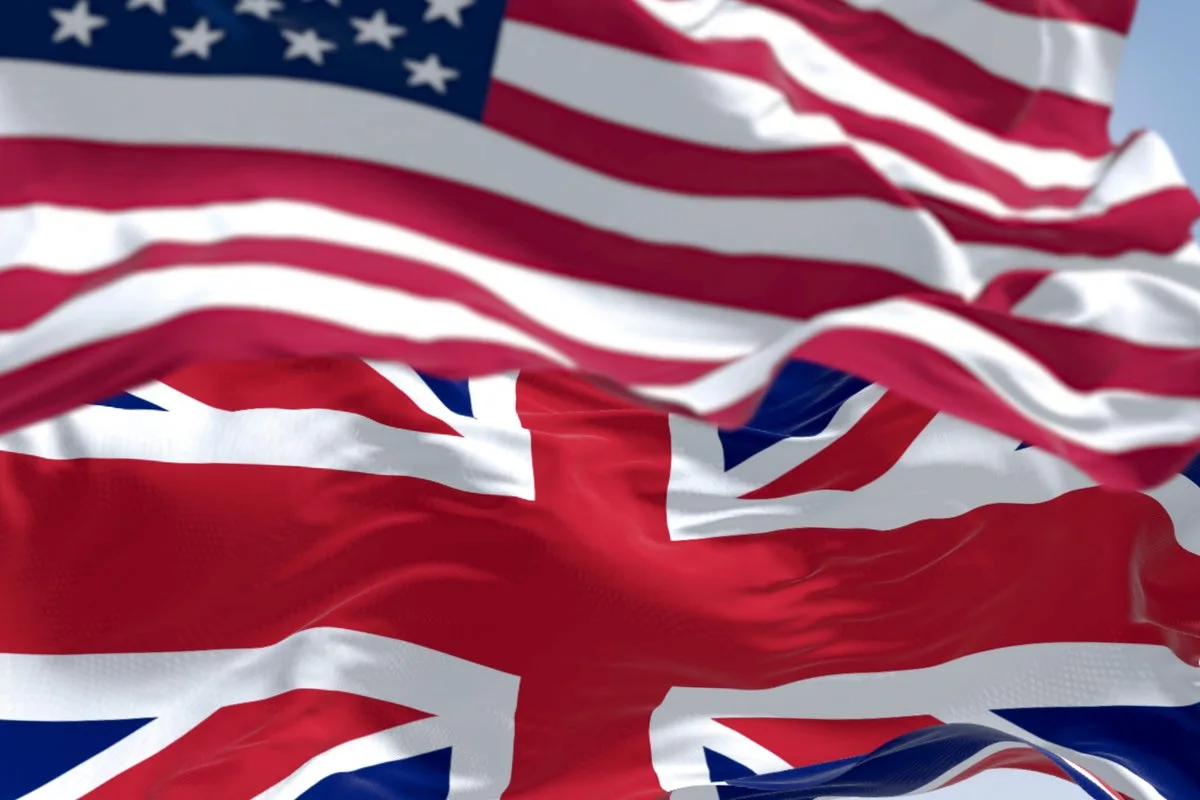
In a striking critique of British foreign policy, former Foreign Office adviser Ben Judah has declared the much-vaunted "Special Relationship" between the United Kingdom and the United States to be a diplomatic sham. Drawing on his professional experience and personal life—having worked for the Foreign Office, lived extensively in the US, married an American, and become a dual-national—Judah asserts that the bond is far more robust among ordinary people than among politicians.
The Illusion of Diplomatic Favours
Judah, who served as an adviser to Foreign Secretary David Lammy for over a year, advocates for banning the phrase "The Special Relationship" from official discourse. He describes it as weak, needy, and unhelpful, belonging to an outdated era. From his vantage point, meeting top lieutenants of both Trump and Biden administrations, he observed that Britain receives no special favours or gift bags from the White House. Instead, the real connection lies in the deep cultural and economic ties between the two nations.
A People's Bond, Not a Political One
The true special relationship, according to Judah, is rooted in shared language, history, and the extensive overlap in business, media, and technology sectors. He notes the constant flights between London and New York and a common culture that forms a tangible Anglosphere. This bond transcends political parties and individual leaders, remaining resilient despite historical fallouts like the Revolutionary War, the Suez Crisis, or the burning of the White House in 1812.
Even in recent times, figures like Donald Trump have expressed affection for Britain, highlighting how the relationship endures beyond political spats. Judah points out that every time politicians have clashed, the people's desire has brought the alliance back, as seen in historical examples from George III admiring George Washington to Harold Wilson's refusal over Vietnam being largely forgotten.
The Strategic Dependency Dilemma
While acknowledging the benefits of intelligence sharing through Five Eyes and joint military capabilities, Judah emphasises that these are not gifts but collaborative efforts where Britain contributes significantly. However, this reliance comes at a cost, making the UK strategically dependent on the US, as evident in the desperate need for American support in conflicts like Ukraine.
The Urgent Need for European Pivot
Judah warns that the US has become erratic and unpredictable under leaders like Trump, creating an "America problem" for Britain. He argues that the time has come to reassess Britain's European strategy, echoing French President Emmanuel Macron's calls for European strategic autonomy to avoid being mere bystanders or subordinates. The challenge, however, is that Europe lacks a unified geopolitical stance, as seen in divergent responses to Trump's policies, from Spain's opposition to Germany's soft support.
He urges the UK to invest creatively in its relationship with Europe, advocating for closer economic ties with Brussels and groundbreaking joint borrowing for military build-up. In a world of disorder, Judah concludes, Britain cannot afford weakness and should prioritise Paris over Washington for its future security and prosperity.






