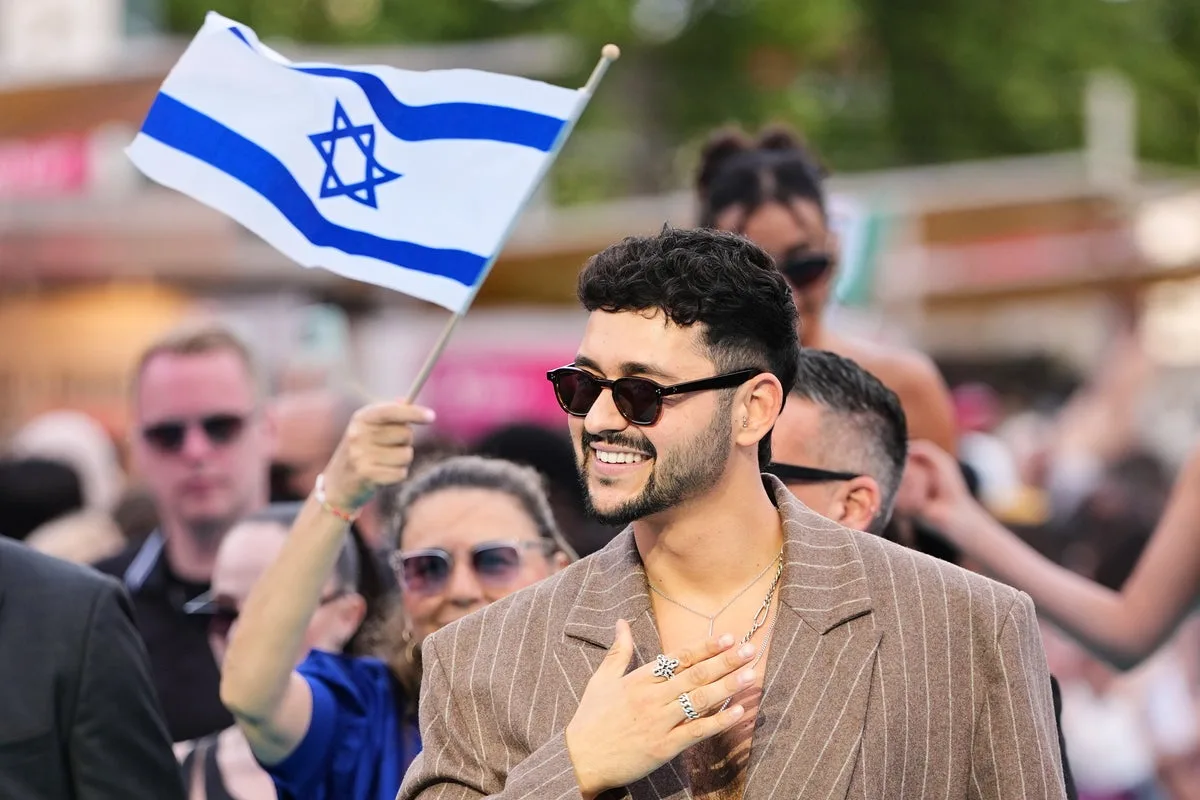
Eurovision Faces Watershed Vote on Israel's 2026 Participation Amid Boycott Threats
Eurovision may vote on Israel's 2026 participation

The Eurovision Song Contest is facing a pivotal decision this week that could determine Israel's place in the 2026 competition. The European Broadcasting Union (EBU) is set for what experts call a "watershed moment" on Thursday, 4th December 2025, as members may vote on whether Israel can participate next year.

Boycott Threats and a Crucial Meeting

This potential vote comes amid mounting pressure, with public broadcasters from several countries threatening to withdraw from the contest if Israel is allowed to compete. Slovenia, Ireland, Spain, and the Netherlands have all indicated they would boycott the event, scheduled for May in Austria. Their stance is linked to the ongoing conflict in Gaza, where local health authorities report the Palestinian death toll has surpassed 70,000.

The EBU members will first convene to discuss new rules aimed at preventing governments and third parties from influencing voting outcomes. This follows controversy surrounding Israel's second-place finish in the 2025 contest with entrant Yuval Raphael. The EBU confirmed that if members deem these new measures insufficient, a vote on participation will be held, without explicitly naming Israel.

A Crisis for Europe's Premier Music Event

The situation places the hugely popular non-political song contest in a profound dilemma. The annual spectacle, watched by roughly 150 million viewers globally, has become deeply embroiled in the geopolitical fallout from the Gaza war. A boycott by key European supporters like Spain could trigger a significant drop in audience figures and jeopardise sponsorship deals.

Eurovision expert Dr. Paul Jordan labelled the impending decision a "watershed moment" for the competition. "This is a real crisis point for Eurovision and the EBU... I think it probably has to go to a vote," Jordan stated. Ben Robertson from fan site ESC Insight warned that while losing audiences was a risk, excluding Israel could also further isolate the contest.

Diverging Views and Potential Fallout

Reactions from within the EBU membership are mixed. Luxembourg's RTL broadcaster has expressed support for the proposed rule changes, while Norway's NRK found the EBU's signal of reform "promising". However, an industry source suggested that if a vote succeeds in barring Israel, Germany would likely withdraw and not broadcast the contest, though German broadcaster ARD declined to comment. The Austrian host broadcaster, ORF, has stated it wishes for Israel to compete.

Sources within Israeli broadcaster KAN told Reuters they believe discussions about exclusion are unjustified, asserting full compliance with EBU rules. Israel has not directly addressed accusations of unfairly boosting its 2025 entry but frequently states it is the target of a global smear campaign. The Israeli foreign ministry did not respond to a request for comment.

The EBU, striving to maintain the contest's neutrality, stated: "We very much hope the package of measures will assure members that we have taken strong action to protect the neutrality and impartiality of the Song Contest." The outcome of Thursday's meeting will set a significant precedent, following the exclusion of Russia after its 2022 invasion of Ukraine.