European Resistance to US Foreign Policy Over the Decades
As European nations currently reject President Trump's appeal for assistance in reopening the Strait of Hormuz, it is instructive to examine the historical tensions between Western allies. This pattern of resistance spans decades, highlighting moments when European leaders stood firm against American demands.
Harold Wilson's Strategic Salesmanship
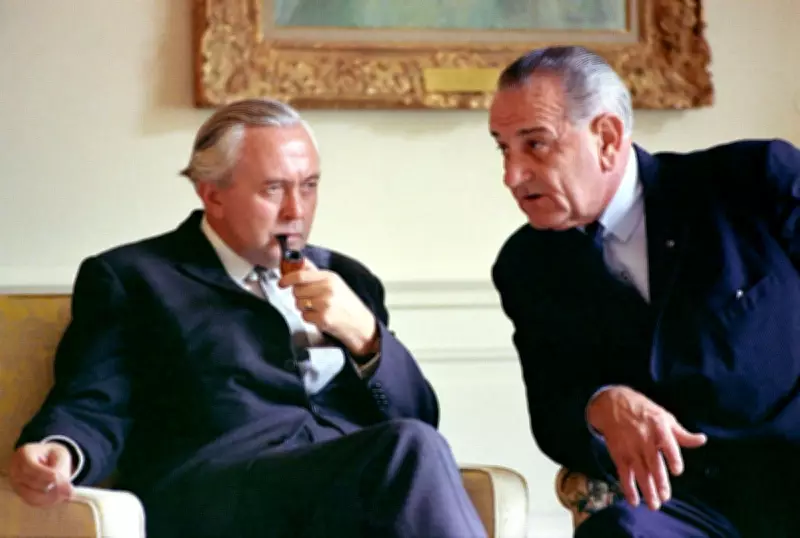
In December 1964, Prime Minister Harold Wilson met with President Lyndon B. Johnson and successfully declined a request to deploy UK forces to Vietnam. Wilson presented figures showing Britain's military commitment in Malaysia, including 8,000 troops in Borneo and a total of 20,000 across Malaysia, which he argued was comparable to the 20,000 US advisers in Vietnam. He also emphasised Britain's role in defending India following China's nuclear test, citing growing Indian demands for a nuclear weapons programme.
President Johnson, concerned about the deteriorating situation in Vietnam after discussions with General Maxwell Taylor, had urged allies like Britain to share the burden. However, Wilson could not comply. In a 1981 letter, Wilson recalled Johnson's persistent pressures, including late-night phone calls and a request for six Highlanders in kilts with bagpipes to be sent to Vietnam, which was never fulfilled.

Trade Disputes and Economic Clashes
In August 1971, the US imposed a 10% surcharge on import duties, defended by Deputy Under-Secretary Nathaniel Samuels as beneficial for the world. He blamed allies for America's balance of payments issues and called for systemic changes. The European Economic Community (EEC), represented by Ralf Dahrendorf, rejected the surcharge as unacceptable, reserving the right to protect affected industries. Critics argued it would harm trading partners without solving US deficits.
Pipeline Politics and East-West Trade
By July 1981, a major deal to pipe Siberian natural gas to Western Europe proceeded despite US objections. In August 1982, the EEC challenged a US ban on European firms using American technology for the Soviet pipeline, calling it illegal and damaging. The pipeline, set to operate by 1984, would supply gas to several European countries, with the embargo impacting firms in Britain, Italy, France, and West Germany.
Media Backlash and Diplomatic Rifts
In February 2003, as France and Germany opposed the Iraq war, American media unleashed a wave of criticism. European resistance was portrayed as cowardice, with insults like "axis of weasels" and "cheese-eating surrender monkeys" dominating headlines. This Euro-bashing reflected deep-seated frustrations over diplomatic disagreements, underscoring the ongoing strains in transatlantic relations.
These historical instances illustrate a consistent theme: European nations have repeatedly asserted their independence in foreign policy, from military engagements to economic measures, shaping a complex alliance dynamic that continues to evolve today.