Europe's Steely Resolve in the Face of Trump's Alliance Proposal
In a significant diplomatic development, former United States President Donald Trump has extended an offer to European nations to join what he terms a "new era" alliance. This proposal, aimed at reshaping global partnerships, has been met with a growing sense of determination and unity across the continent. European leaders are increasingly demonstrating a firm stance, reflecting deep-seated concerns about the implications for international stability and national sovereignty.
Trump's Vision for a 'New Era'
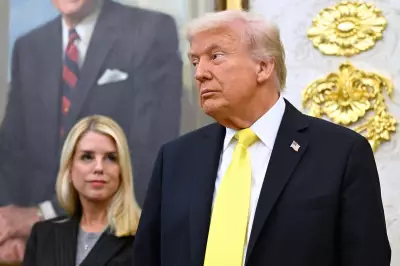
Donald Trump, who served as the 45th President of the United States from 2017 to 2021, has publicly advocated for a realignment of global alliances. His latest initiative calls for European countries to participate in a new strategic partnership, which he describes as a "new era" of cooperation. This move is seen as part of his broader agenda to challenge existing international frameworks and promote a more transactional approach to diplomacy.
European Reaction: A Unified Front
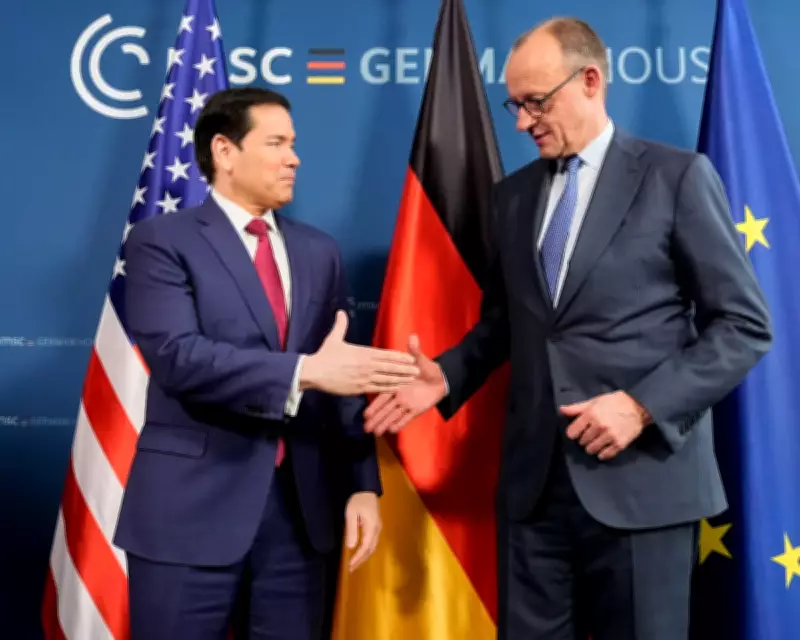
The response from European capitals has been notably resolute. Key figures from the European Union, including representatives from France, Germany, and other member states, have expressed skepticism and caution. There is a palpable sense of steely determination, with leaders emphasizing the importance of maintaining established alliances, such as NATO, and upholding principles of multilateralism. This reaction underscores Europe's commitment to its own strategic autonomy and the preservation of a rules-based international order.

Concerns Over Global Stability and Sovereignty
Behind Europe's firm stance lie significant apprehensions. Analysts point to fears that Trump's proposal could undermine global stability by fostering divisions among traditional allies. Additionally, there are worries about the potential erosion of European sovereignty, as such an alliance might impose conditions that conflict with the continent's values and interests. The growing sense of European steeliness is, therefore, rooted in a desire to protect both regional and global security architectures.
Implications for Future Diplomacy
This episode highlights broader trends in international relations, where populist and nationalist movements are challenging conventional diplomatic norms. Europe's response serves as a testament to its evolving role on the world stage, balancing cooperation with assertiveness. As discussions continue, the outcome could influence not only transatlantic relations but also the dynamics of global governance in the coming years.
In summary, Trump's offer to join his "new era" alliance has been met with a robust and unified European response, characterized by a deepening resolve to safeguard stability and sovereignty. This development marks a critical moment in contemporary diplomacy, reflecting the complex interplay between old alliances and new geopolitical ambitions.