Europe's Berlin Summit Sets 6 Key Conditions for Ukraine Peace Deal
Europe's Berlin Summit Sets Ukraine Peace Conditions

European leaders have laid down a clear set of demands for any future peace agreement with Russia, following a high-stakes summit in Berlin aimed at securing long-term safety for Ukraine.

The Six Pillars of a Future Peace

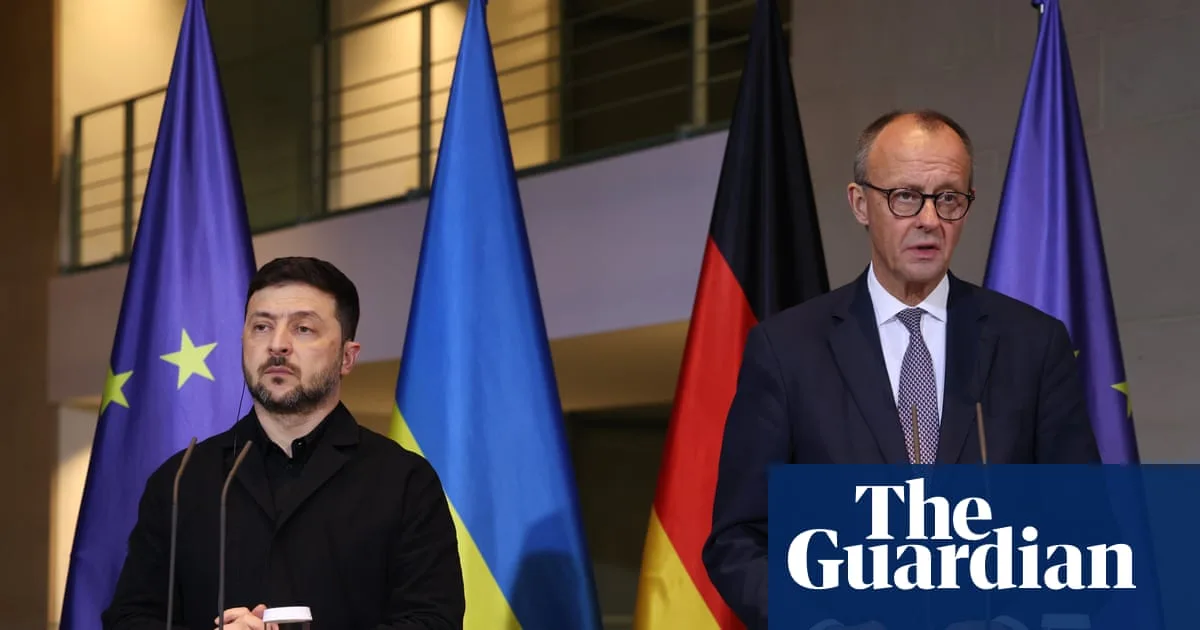
The meeting, which took place on Monday night, resulted in a joint statement detailing six core commitments that must form part of any settlement. Ukrainian President Volodymyr Zelensky attended the talks alongside leaders from ten nations and the European Union, including UK Prime Minister Sir Keir Starmer and French President Emmanuel Macron.

The conditions stipulate that any deal must allow Kyiv to maintain its armed forces at a strength of 800,000 personnel. This figure marks a significant increase from an earlier US-backed draft proposal of 600,000 and, according to President Zelensky, is only slightly below Ukraine's current military size.

Further conditions include the deployment of a European-led multinational force inside Ukraine, known as the "multinational force Ukraine," which is being developed by a coalition led by Sir Keir Starmer and President Macron. The plan also envisions a US-backed ceasefire monitoring mechanism.

Security Guarantees and Economic Future

Perhaps the most crucial element is a binding commitment for signatories to come to Ukraine's aid if Russia attacks again. While the statement notes a role for NATO in "providing robust deterrence," it pointedly does not include a reference to Ukraine joining the alliance—a key concession to Moscow's stated opposition.

On the economic front, leaders agreed to invest in Ukraine's future, "taking into account the need for Russia to provide compensation" for war damages. The statement also offers strong support for Ukraine's accession to the European Union.

In a parallel development, US officials have reportedly offered Ukraine unspecified security guarantees, with American negotiators understood to have agreed to the joint statement from Berlin.

The Path Forward and Russian Resistance

The leaders declared it is "now incumbent upon Russia to show willingness to work towards a lasting peace" by agreeing to the plan and a ceasefire. They firmly stated that international borders "must not be changed by force," but added that decisions on territory were "for the people of Ukraine" to make once effective security guarantees are implemented.

This Berlin meeting is the culmination of nearly a year of discussions about a peace deal, accelerated by US President Donald Trump's promise to end the war on his first day in office last January. Moscow has consistently resisted ceasefire calls and opposes any deal involving NATO troops in Ukraine, repeatedly demanding Kyiv cede territory.

President Zelensky noted there had been "progress," with the military aspects looking "quite solid," but cautioned that some "destructive" elements in the American proposal should not appear in future versions. He vowed to find clear answers on security, territories, and compensation for rebuilding Ukraine.

The summit was hosted by German Chancellor Friedrich Merz and attended by the leaders of Denmark, Finland, France, Italy, the Netherlands, Norway, Poland, and Sweden, alongside European Council President Antonio Costa and EU Commission President Ursula von der Leyen.




