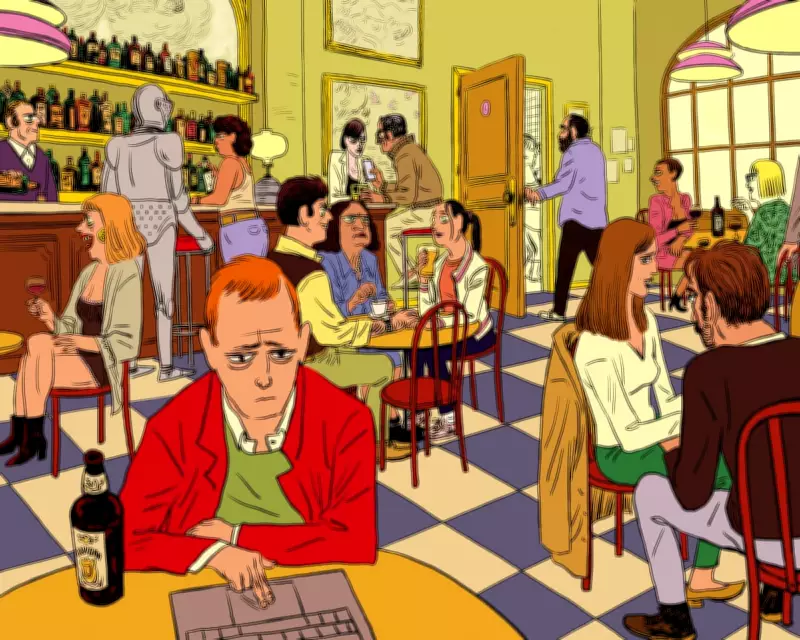
After a recent breakup, I plunged into the world of internet dating, experimenting with mirror selfies and crafting the perfect Hinge bio. As a British single, I felt weighed down by endless swiping and the pressure to find a life partner. Curious about alternatives, I spent three months investigating dating cultures in Oslo, Berlin, Paris, and Rome, speaking with anthropologists, sex therapists, and dating experts to gain a fresh perspective.
Berlin: The Capital of Non-Monogamy
In Berlin, dating has evolved into a leisure activity, detached from traditional long-term partnership goals. According to anthropologist Dr. Fabian Broeker, many Berliners view dating as fun, akin to an afternoon stroll, with casual sex and multiple partners being common. Over half of Berliners live alone, making singledom the norm, unlike in London where coupledom prevails. Cultural critic Maxi Wallenhorst notes that Berlin's rental market reduces pressure to couple up for financial stability, fostering a hedonistic approach to intimacy. While some expats find commitment elusive, Berlin offers diverse relationship models, such as power quadruples or co-parenting with friends, emphasizing romance as an add-on to a fulfilling life.
Paris: Passion Over Monogamy
Paris challenges the notion of monogamy with a cultural emphasis on passion and infidelity. Author Alice Pfeiffer explains that polyamory is considered gauche, as it strips cheating of its transgressive thrill. Journalist Barbara Krief highlights that many Parisians see affairs as enhancing marriages, with flings accepted without jeopardizing relationships. Unlike in London, where women may wait for sex, Parisian women prioritize pleasure, often engaging in intimacy on first dates. French culture, reflected in movies and books, frames marriage as part of an evolving story rather than a happy ending, valuing great sex and intellectual connection over lifelong commitment.

Oslo: Independence and Empathy in Dating
In Oslo, dating flips traditional romance, with sex often preceding formal dates. Cross-cultural expert Julien S Bourrelle describes how Norwegians meet in bars, have casual sex, and only later consider dates, emphasizing independence. This approach includes keeping an exit door open to avoid indebtedness, seen as a sign of empathy to prevent pain or rejection. Norwegian egalitarianism extends to dating, where women hold power, cautiously committing only when certain. A unique ritual involves women shoulder-barging men in bars to initiate contact, allowing both parties to walk away without rejection, offering a refreshing alternative to British dating norms.
Rome: Formality and Romance
Rome maintains a formal dating culture, with women often preparing elaborately for dates, including hair styling and waxing. Psychologist Donatella Fiacchino notes that gender roles are stereotypical in northern districts, with men expected to pay and initiate. Despite challenges like multigenerational households limiting privacy, Romans savor romantic moments, meeting for aperitivos in beautiful settings rather than rushing to sex. This contrasts with London's app-driven, often alcohol-fueled dates, highlighting a focus on creating special occasions even in casual encounters.
Reflections on British Dating
My experiences in the UK involve anxiety over texts, excessive drinking on dates, and projecting into the future, driven by societal pressures for commitment and financial stability. With over 70% of Brits aged 30-64 in relationships and housing costs forcing reliance on partners, dating apps like Hinge have lost users as singles seek alternatives. Viewing these habits as culturally influenced offers hope for change, inspiring me to adopt elements from European styles: assuming power like Oslo women, savoring moments like Romans, and rethinking marriage as a French-style journey rather than an endpoint.