Europe Unites in Condemnation of Trump's Russian Oil Sanctions Decision
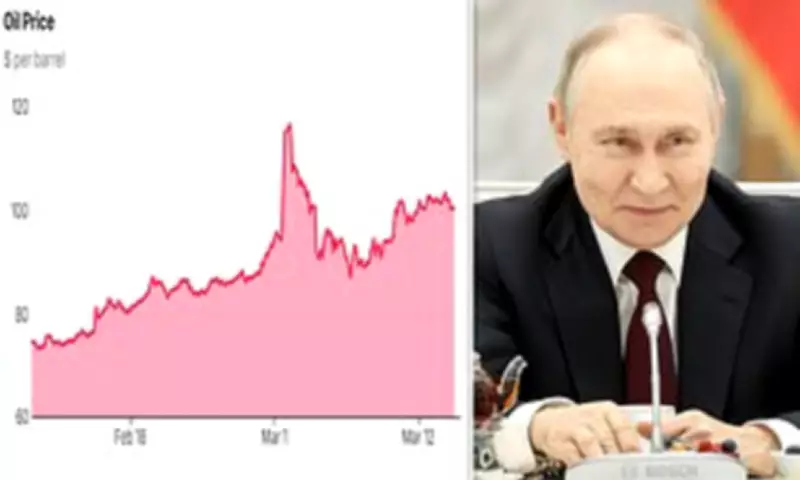
European nations have launched a fierce attack on President Trump's controversial decision to lift US sanctions on Russian oil, with officials warning the move will directly "fill Putin's war chest" and finance Russia's ongoing invasion of Ukraine. The strong condemnation comes as global oil prices surge above $100 per barrel, creating financial opportunities that could significantly benefit Moscow.
Britain and France Lead European Resistance
Britain's energy minister confirmed unequivocally this morning that the United Kingdom would not be loosening Russian sanctions "at all," maintaining a firm stance against any relaxation of economic pressure on Putin's regime. Meanwhile, French President Emmanuel Macron, currently serving as president of the G7, dismissed arguments that the shutdown of the Strait of Hormuz justified lifting sanctions against Russia.
"The consensus was that we should not change our position on Russia and should maintain our efforts on Ukraine," President Macron told fellow G7 leaders, emphasizing the unified European position against providing any financial relief to Moscow.

Germany Voices Grave Concerns Over Putin's War Financing
Germany's Economy Minister Katherina Reiche expressed Berlin's deep apprehension about the potential consequences of Trump's decision. "We are concerned that we are further filling Putin's war chest," Reiche stated, highlighting how surging oil prices could help cover a widening gap in Moscow's public finances at a critical moment in the Ukraine conflict.
The European Union has maintained a comprehensive ban on maritime imports of Russian crude since 2022, while pipeline exports via Ukraine to Hungary and Slovakia have been effectively blocked since January of this year. This consistent European stance contrasts sharply with the temporary US policy shift.
US Treasury Authorises Temporary Russian Oil Sales
The controversy stems from the US Treasury's decision to issue a licence authorising the delivery and sale of Russian crude oil and petroleum products that were loaded on vessels before 12:01am Eastern Time on March 12. This authorisation remains valid through 12:01am on April 11, creating a temporary window for Russian oil transactions.
This move follows Washington's decision last week to temporarily allow Russian oil stranded at sea to be sold to India, another measure that has drawn European criticism. US Treasury Secretary Scott Bessent defended the India authorisation as a "narrowly tailored, short-term measure" that would not provide "significant financial benefit to the Russian government."
Strategic Implications of Soaring Oil Prices
European analysts point out that President Putin could emerge from the Middle East conflict as one of the biggest winners, positioning Russia among the world's largest oil providers precisely when prices are reaching sustained highs above $100 per barrel. The shutdown of the Strait of Hormuz since the US-Israel tensions with Iran began has sent oil prices skyrocketing, creating ideal conditions for Russia to capitalise on its energy resources.
Western allies have consistently argued that proceeds from Moscow's oil sales directly fund Russia's war effort in Ukraine, making any relaxation of sanctions particularly dangerous. The European pushback against Trump's decision reflects this fundamental concern about strengthening Putin's financial position during an active military conflict.
As oil prices continue their dramatic climb, the transatlantic divide over sanctions policy highlights differing approaches to balancing energy market stability with maintaining pressure on Russia's war machine. European nations remain steadfast in their commitment to keeping sanctions intact despite the temporary US policy shift.