Trump's Demand for NATO Involvement in Iran War Sparks European Resistance
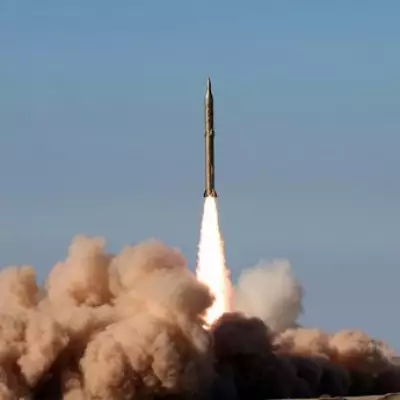
Donald Trump is attempting to strongarm NATO allies into supporting the United States' controversial military conflict with Iran, a move that European leaders are increasingly resisting. The operation, dubbed Epic Fury, was launched by the US on 10 March 2026, leading to significant casualties and economic turmoil. Iran has retaliated by closing the Strait of Hormuz, causing oil prices to soar and threatening global stability.
High Stakes for European Security
The war has already resulted in the deaths of at least 13 US service members and over 1,200 Iranian civilians, with the US spending a staggering $16.5 billion in just the first twelve days. European governments, including Germany and the UK, have largely rejected Trump's appeals for military assistance. German Defence Minister Boris Pistorius emphasised, "It's not our war. We didn't start it," highlighting the reluctance to be drawn into a conflict initiated by the US.
However, some European officials, such as UK Prime Minister Keir Starmer, have hinted at potential plans to restore freedom of navigation in the region. EU High Representative Kaja Kallas proposed expanding an existing naval operation to the Strait of Hormuz, but this idea has faced opposition from member states concerned about escalating involvement.

Risks to Public Support and Russian Threats
European involvement in the Iran war could severely undermine public backing for necessary defence spending aimed at deterring Russia. With Russia posing a primary security threat through its invasion of Ukraine and destabilisation campaigns, European governments are already struggling to justify increased military budgets amid cost-of-living crises. Polling shows strong opposition to the war among European publics, with nearly 60% in the UK and Germany opposing it, and even higher rates in Italy and France.
Armida van Rij, a senior research fellow at the Centre for European Reform, warns that drawing Europe into this conflict could collapse support for rearmament, benefiting only Vladimir Putin. Intelligence assessments suggest Russia could threaten NATO territory in the medium term, making it crucial for Europe to focus on its own defence rather than US-led Middle Eastern ventures.
European Strategy and Future Implications
Rather than escalating militarily, European governments should use their influence to push the US towards de-escalation and a negotiated settlement. European militaries in the region are advised to adopt a defensive posture, protecting existing assets while avoiding further troop deployments. Trump's demands are unlikely to be his last, and Europe must stand firm to maintain public trust and security priorities.
In summary, resisting Trump's pressure is essential for European stability. By avoiding entanglement in the Iran war, Europe can preserve public support for defence investments and counter the real threat from Russia, ensuring long-term security and diplomatic integrity.