EU Imposes Visa Restrictions on Georgian Officials Amid Democratic Backsliding
The European Union has taken a firm stance against democratic regression in Georgia by suspending visa-free travel privileges for the country's diplomats and officials. This measure, announced on Friday, March 6, 2026, will last for a minimum of one year and is a direct response to what the EU describes as persistent violations of democratic principles and fundamental rights.
Reasons Behind the Suspension
EU foreign policy chief Kaja Kallas emphasized in a statement that actions by the Georgian government, including attacks on citizens, suppression of journalists, and curtailment of freedoms, have led to significant consequences. The suspension targets official travel under the visa-free regime, which Georgia has been accused of deliberately breaching.
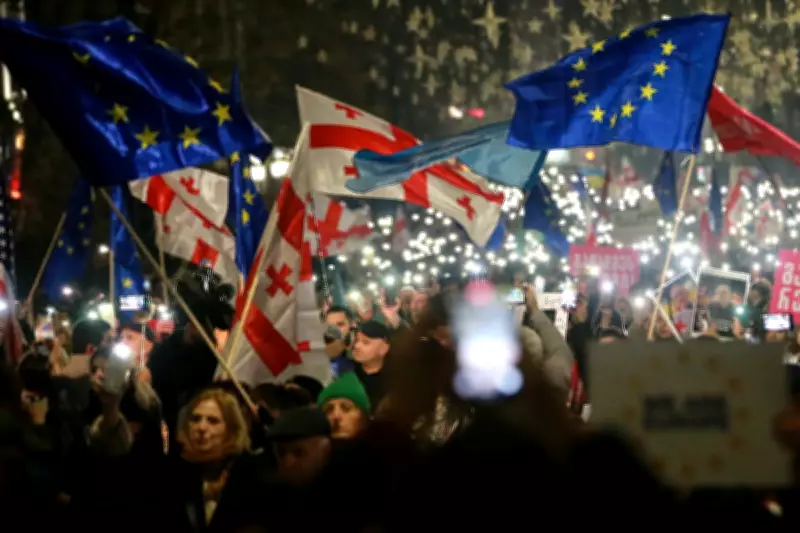
The decision follows months of political turmoil in Georgia, sparked when the ruling Georgian Dream party halted negotiations for EU membership in November 2024. This move contradicted the constitutional goal of many Georgians to join the EU and triggered widespread protests. These demonstrations have been met with harsh responses, including mass arrests and police violence, further exacerbating tensions.

Details of the EU's Measures
The European Commission specified that the visa-free travel suspension will remain in effect until March 6, 2027. However, this period could be extended by an additional two years if Georgian authorities fail to address governance and rule of law issues. The violations cited include a crackdown on protesters, opposition politicians, and independent media, leading to breaches of international legal standards.
In addition to the suspension, the commission has advised European governments to closely scrutinize all Georgian nationals entering the EU. Officials and diplomats attempting to travel using personal passports instead of official documents may face entry bans. Kallas reiterated the EU's support for the Georgian people while condemning representatives of repression.
This development underscores the EU's commitment to upholding democratic values and signals a clear message to governments that deviate from these standards. The situation in Georgia continues to be monitored, with potential for further actions depending on the country's response to these concerns.