EU Leaders Convene in Brussels for Critical Summit on Iran War and Ukraine Aid
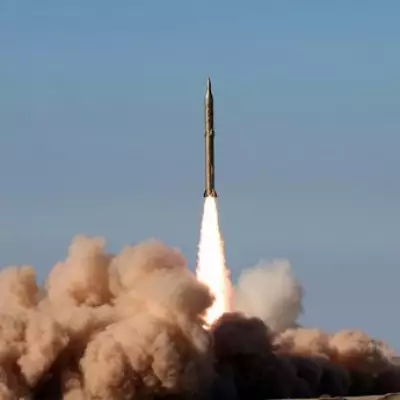
European Union leaders are assembling in Brussels on Thursday for a pivotal summit, with the escalating Iran war and a substantial loan for Ukraine, currently blocked by Hungary, dominating the agenda. The gathering aims to coordinate responses to the conflict's widespread repercussions, including surging energy costs and potential refugee movements.
Middle East Crisis and Energy Price Pressures Take Centre Stage
The summit will prioritise the fallout from the Iran war, which has heightened fears across Europe of a new refugee crisis and driven up energy prices. Many EU leaders have resisted calls from U.S. President Donald Trump to deploy military assets to secure the Strait of Hormuz, a crucial global conduit for oil, gas, and fertiliser shipments.
To mitigate economic shocks from the war, the European Commission has proposed a "toolbox" of measures designed to lower energy prices. A senior European diplomat, speaking anonymously, explained that no single policy can effectively address the diverse markets within the 27-nation bloc, necessitating a tailored approach for discussion among leaders.

Hungary's Viktor Orbán Stalls Crucial Ukraine Loan
A significant focus of the summit is the ongoing standoff involving Hungarian Prime Minister Viktor Orbán and most other EU member states. In December, leaders, including Orbán, agreed to a €90 billion (approximately $104 billion) loan to help Ukraine manage a severe budget shortfall amid its protracted war with Russia.
However, Orbán reversed his position in January following the disabling of the Druzhba oil pipeline, which Ukrainian officials attributed to a Russian drone attack. The Hungarian leader, in office since 2010 and facing reelection next month, has launched an aggressive media campaign criticising both Brussels and Kyiv. In a social media post on Tuesday, Orbán stated, "If there is no oil, there is no money."
Diplomatic Efforts to Secure Ukrainian Funding Intensify
EU leaders and diplomats are set to lobby Orbán and Slovakia's Prime Minister Robert Fico, whose government has also adopted pro-Russia stances, to release the much-needed loan for Ukraine. On Tuesday, European Commission President Ursula von der Leyen offered EU funding to repair the Druzhba pipeline and develop alternative fuel lines for Hungary and Slovakia.
Ukrainian President Volodymyr Zelenskyy has condemned any obstruction to the loan as "absolutely unfair," emphasising that there is "no alternative" for his nation as it confronts a dire budget crisis due to the war that began on February 24, 2022. On Wednesday, Zelenskyy noted, "There may be alternatives in terms of financing mechanisms, but there is simply no alternative to strengthening our army."
German Chancellor Urges Swift Action on Sanctions and Aid
German Chancellor Friedrich Merz addressed lawmakers in Berlin on Wednesday, urging the EU to quickly agree on a new package of sanctions against Russia and the Ukraine loan. He pledged to "advocate for that emphatically" in Brussels, asserting that "we must not take into consideration a single country in the European Union that is currently setting up this blockade in Europe now for domestic political reasons and because of an election campaign that is being conducted there."
Merz called for increased pressure on Moscow, stating, "the needs of the moment call for us to increase the pressure on Moscow together – the U.S. and the European partners together."
Contributions to this report were made by Karel Janicek in Prague, Geir Moulson in Berlin, and Illia Novikov in Kyiv, Ukraine.