
In a significant diplomatic statement, the European Union's foreign policy chief has moved to reaffirm the transatlantic alliance following the release of a controversial US policy document that appears to endorse Europe's nationalist far-right movements.
Controversial US Strategy Paper Backs Nationalist Movements
The remarks from Kaja Kallas came directly after the Trump administration released a 33-page National Security Strategy paper on Friday. The document, which includes a signed introduction from former President Donald Trump, has sparked widespread concern for its explicit support of Europe's nationalist political factions.
More alarmingly, the strategy appears to promote the racist "great replacement" conspiracy theory. It warns that several nations risk becoming "majority non-European" and suggests Europe faces what it describes as "the real and stark prospect of civilizational erasure".
EU's Firm Rebuttal at the Doha Forum
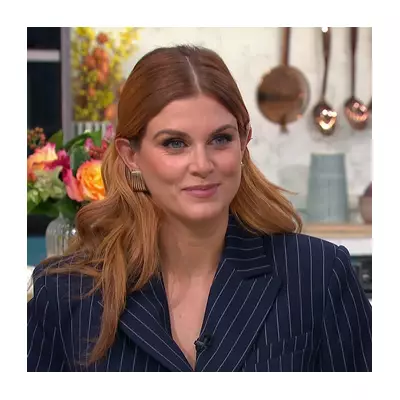
Addressing the issue head-on at the Doha Forum in Qatar's capital on Saturday, Kallas provided a measured but firm response. According to reports from AFP, she stated unequivocally that the "US is still our biggest ally".
"Of course, there's a lot of criticism, but I think some of it is also true," Kallas acknowledged in her comments at the annual diplomatic conference. She elaborated on the complex nature of the partnership, noting, "I think we haven't always seen eye to eye on different topics, but I think the overall principle is still there."
The EU's top diplomat concluded with a call for unity, asserting, "We are the biggest allies, and we should stick together." This public declaration serves as a deliberate effort to stabilise the political relationship amidst the divisive rhetoric contained in the US policy paper.
Analysing the Impact on Transatlantic Relations
The incident highlights the ongoing fragility within the Western alliance, particularly concerning shared democratic values. The explicit endorsement of far-right ideologies in an official US strategy document marks a profound shift in diplomatic discourse.
Kallas's response demonstrates the EU's attempt to navigate this new landscape. By publicly reaffirming the alliance while implicitly criticising the document's content, she walks a diplomatic tightrope. The core message is clear: the institutional partnership transcends the policies of a single administration, but not without significant strain.
This episode is likely to fuel further debate within European capitals about strategic autonomy and the future reliance on US leadership, especially as nationalist parties across the continent gain traction.