
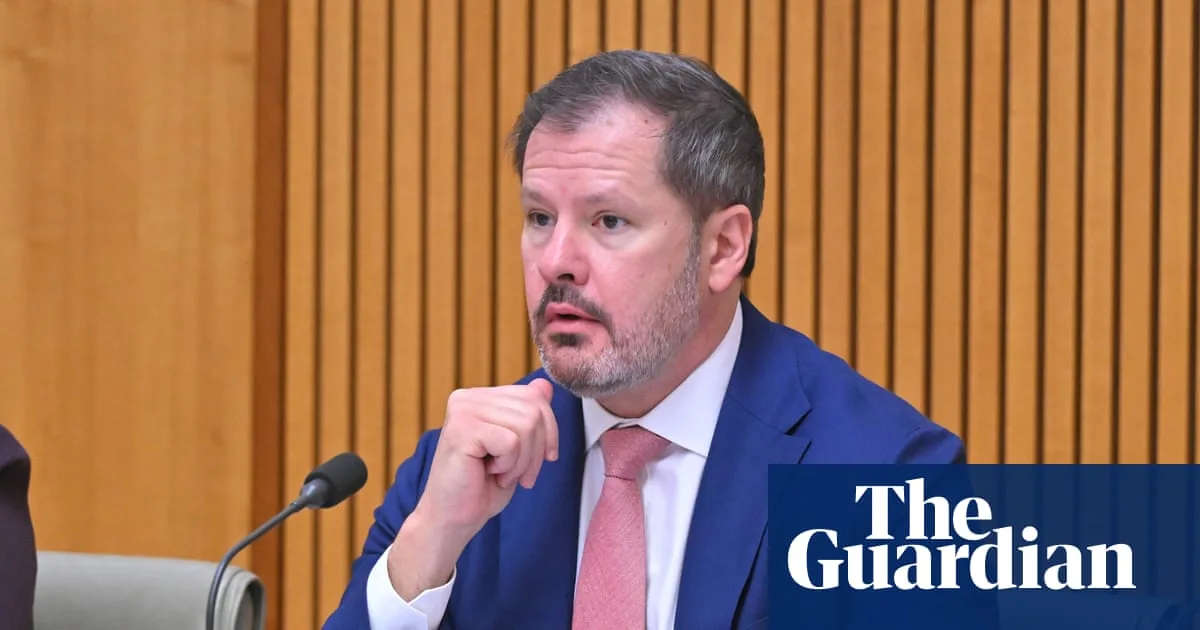
Labor MP Ed Husic has expressed “deep concerns” about the impending visit of Israeli President Isaac Herzog to Australia, saying it is difficult to reconcile the concept of social cohesion with the image of Herzog signing an artillery shell that was later dropped on Gaza. Husic, the industry and science minister, told Guardian Australia’s Full Story podcast that he did not believe it was a good decision for the Labor government to invite Herzog, a move made after the Bondi terror attack in December 2025.
Husic said he was uncomfortable with the visit because Herzog had made statements attributing responsibility for the October 7 attacks to the entire Palestinian population. He noted that the International Court of Justice is considering a genocide charge against Israel, and the International Criminal Court has issued arrest warrants for Prime Minister Benjamin Netanyahu and former defence secretary Yoav Gallant over alleged war crimes. “It’s really hard for me to reconcile the vision of him signing bombs that went on to be dropped on Palestinian homes … with the notion of social cohesion,” Husic said.
The MP also defended the right of Australians to peacefully protest against Israel’s actions in Gaza, rejecting any link between such protests and the Bondi shooting at a Hanukah festival. He called it a “slur” to connect the two. Herzog’s visit, at the invitation of Governor General Sam Mostyn, is intended to meet Jewish communities after the attack, but pro-Palestine groups have planned protests. Critics point to a UN commission of inquiry that concluded Israel had committed genocide in Gaza, citing Herzog’s October 2023 remark that “it’s an entire nation out there that is responsible.”
Herzog has denied the incitement allegations, calling the genocide case a “form of blood libel” and saying his comments were taken out of context. Husic acknowledged that Herzog claims to have been misrepresented but suggested the president could use his visit to discuss lasting peace and Palestinian statehood. “But in the absence of that, I just don’t see how his visit would add, given the concerns that exist around his positioning,” Husic said. Prime Minister Anthony Albanese has defended the visit as “entirely appropriate.”




