Cuba Announces Prisoner Release After Vatican Diplomacy
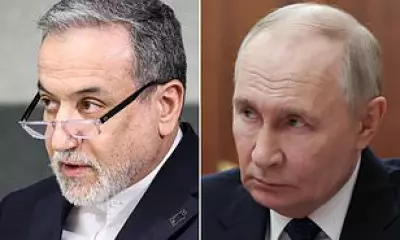
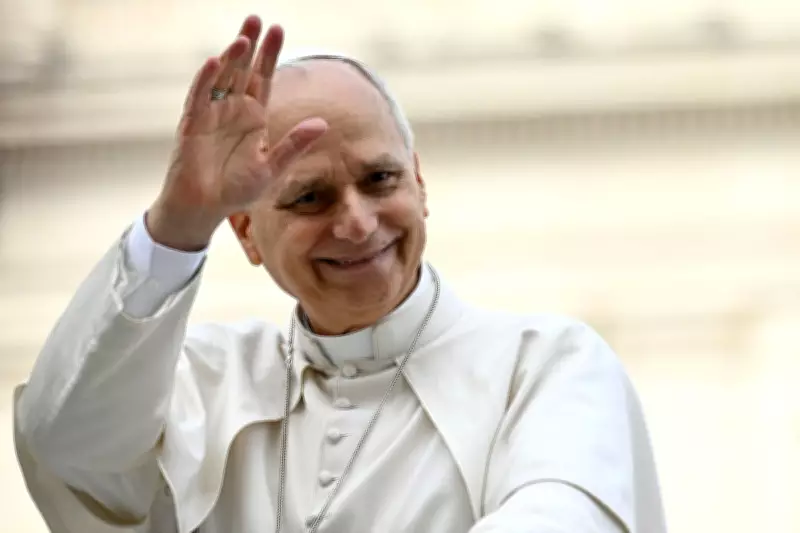
In a significant diplomatic move, the Cuban government has declared it will release 51 inmates from the island's prisons in the coming days. This decision follows a high-level meeting between Cuban Foreign Minister Bruno Rodriguez and Pope Leo at the Vatican two weeks ago, highlighting the ongoing dialogue between Havana and the Holy See.
Goodwill Gesture Amid Economic Strain
The Ministry of Foreign Affairs stated that the releases are driven by a spirit of goodwill and the close, fluid relations between Cuba and the Vatican. Historically, communication between the two entities has focused on reviewing and releasing prisoners, with this latest action continuing that tradition.
All individuals set for release have served a substantial portion of their sentences and demonstrated good conduct while incarcerated, according to the government's announcement. However, specific names of those to be freed were not disclosed, leaving questions about whether any political prisoners are included.

Timing Coincides with Presidential Address
This announcement comes just hours before Cuban President Miguel Díaz-Canel is scheduled to hold a rare press conference on Friday morning to address both national and international issues. The timing suggests a strategic move to showcase Cuba's humanitarian efforts amid mounting challenges.
Cuba is currently facing a severe economic crisis, exacerbated by former US President Donald Trump's imposition of a virtual oil blockade on the Caribbean island. This economic pressure has strained resources and heightened tensions, making the prisoner release a notable gesture of international cooperation.
Historical Context of Prisoner Releases
The Cuban government has a long history of such actions, having granted pardons to 9,905 inmates since 2010. Over the past three years alone, an additional 10,000 people sentenced to imprisonment have been released. This pattern underscores Cuba's periodic use of prisoner releases as a tool of diplomacy and domestic policy.
One prominent example is the release of dissident José Daniel Ferrer, who was freed as part of a government decision to gradually liberate more than 500 prisoners following earlier talks with the Vatican. Ferrer left Cuba last October and now resides in the United States, illustrating the international ramifications of these releases.
Political Prisoner Concerns Persist
Despite the announcement, it remains unclear whether any of the 51 individuals are political prisoners. The nonprofit organization Prisoners Defenders reported that as of February 2026, there were 1,214 political prisoners in Cuba, highlighting ongoing human rights concerns.
This release follows a similar pattern from early 2025, when several prisoners were freed as part of Vatican talks, coinciding with the Biden administration's intent to lift the US designation of Cuba as a state sponsor of terrorism. The interplay between diplomatic efforts and prisoner releases continues to shape Cuba's international relations.
As Cuba navigates its economic crisis and engages with global partners, this prisoner release serves as a reminder of the complex dynamics at play, blending humanitarian gestures with political strategy in a time of profound challenge.