Cuba Confirms Recent Talks with US to Resolve Bilateral Differences
Cuba Confirms Recent Talks with US to Resolve Differences

Cuba Confirms Recent Diplomatic Talks with United States

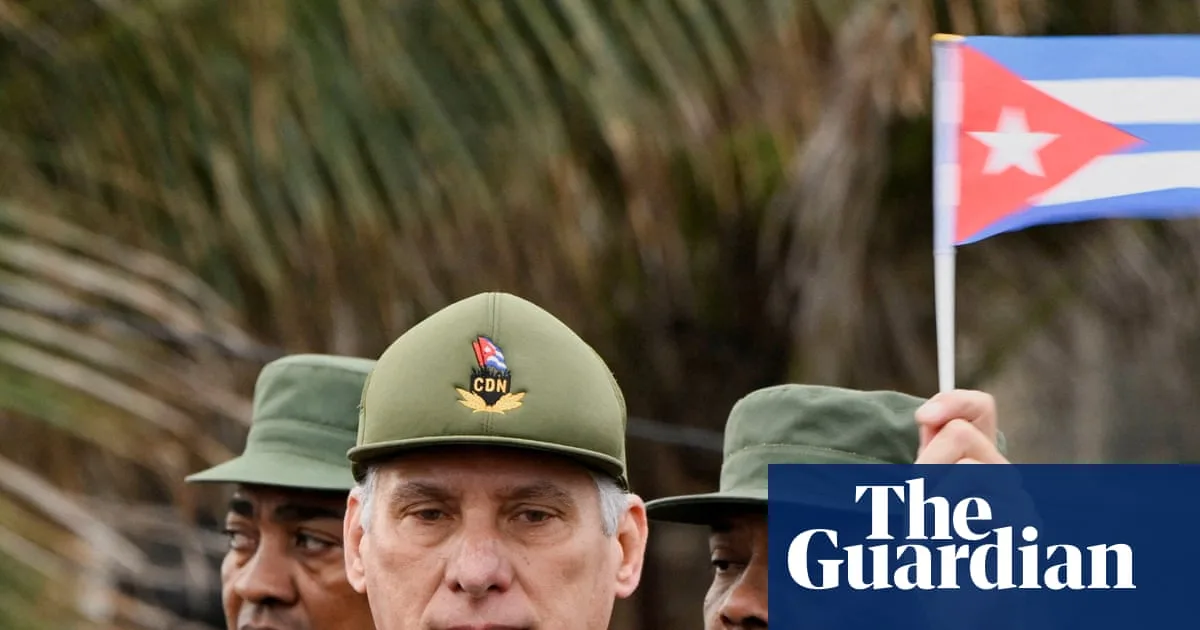
Cuban President Miguel Díaz-Canel has publicly confirmed that his government has engaged in recent diplomatic talks with the United States. This announcement, made on Friday, marks the first official confirmation from the Caribbean nation regarding such speculated discussions. The president stated that these talks were specifically aimed at finding solutions through dialogue to address the bilateral differences between the two nations.

Purpose and Context of the Discussions

In a detailed speech, Díaz-Canel explained that the talks were designed to identify bilateral problems requiring solutions based on their severity and impact. He emphasised that the goal was to determine the willingness of both parties to take concrete actions for the benefit of their peoples. Additionally, the discussions sought to identify areas of cooperation to confront threats and guarantee the security and peace of both countries, as well as the wider region.

The Cuban leader asserted that Cuba is willing to carry out this process on the basis of equality and respect for each country's political systems, sovereignty, and self-determination. He noted that international factors facilitated these exchanges, though he did not elaborate on what those factors were or provide specific details about the talks themselves.

Wide Pickt banner — collaborative shopping lists app for Telegram, phone mockup with grocery list

Severe Energy Crisis and Economic Impact

Díaz-Canel highlighted Cuba's ongoing severe energy crisis, which has exacerbated the nation's economic struggles. He reported that no petroleum shipments have arrived on the island in the past three months, a situation he directly blamed on a U.S. energy blockade. This shortage has led to significant power outages, including a major blackout last week in Cuba's western region that left millions without electricity.

Despite producing 40% of its own petroleum, Cuba has been unable to generate sufficient power to meet demand. The president described the impact as tremendous, affecting critical sectors such as communications, education, and transportation. As a result, the government has had to postpone surgeries for tens of thousands of people, further straining the healthcare system.

To cope with the crisis, more than 115 bakeries across the island have been converted to run on firewood or coal. Meanwhile, efforts to boost renewable energy include the installation of 955 solar panels in rural homes and social centers, with more solar systems expected to come online before the end of March, adding 100 megawatts to Cuba's crumbling electric grid. However, Díaz-Canel stressed that even with these measures, Cuba still urgently needs oil to stabilise its energy supply.

Production Declines and Employment Adjustments

The energy shortage has also led to a drop in production output across various sectors. Díaz-Canel remarked that without energy, no country can produce at normal levels, necessitating adjustments to employment. Last month, Cuba implemented austere fuel-saving measures in an attempt to mitigate the crisis. The most recent blackout was attributed to a broken boiler at a thermoelectric plant, which forced the shutdown of Cuba's power grid.

Authorities have noted that some thermoelectric plants have been operating for over three decades with minimal maintenance due to high costs. U.S. sanctions have further complicated the situation by preventing the government from purchasing new equipment and specialised parts, according to officials.

International Incidents and Prisoner Release

During a question-and-answer session with state reporters, Díaz-Canel addressed the recent shooting of a Florida-flagged boat in Cuban waters, where four of ten Cubans from the U.S. were killed after being accused of opening fire on local troops. A fifth suspect later died from his injuries. The Cuban leader confirmed that FBI officials would visit Cuba soon as both countries continue to share information on the incident. The five other suspects have been detained and face terrorism charges.

Pickt after-article banner — collaborative shopping lists app with family illustration

In a related development, Díaz-Canel spoke just a day after the Ministry of Foreign Affairs announced the upcoming release of 51 prisoners. This move, described as stemming from a spirit of goodwill and close relations with the Vatican, was characterised by the president as a sovereign practice reflecting Cuba's humanistic vocation, not imposed by external forces.

The energy crisis has been further aggravated by the halt of critical oil shipments from Venezuela, following U.S. actions against the South American country and the arrest of then President Nicolás Maduro. This has left Cuba struggling to maintain basic services and economic stability amidst ongoing diplomatic engagements.




