UK Foreign Secretary Continues Saudi Visit Amid Iran's Strait of Hormuz Blockade Threat
Cooper's Saudi Visit as Iran Threatens Key Oil Route Blockade

Foreign Secretary's Gulf Mission Continues Amid Escalating Regional Tensions

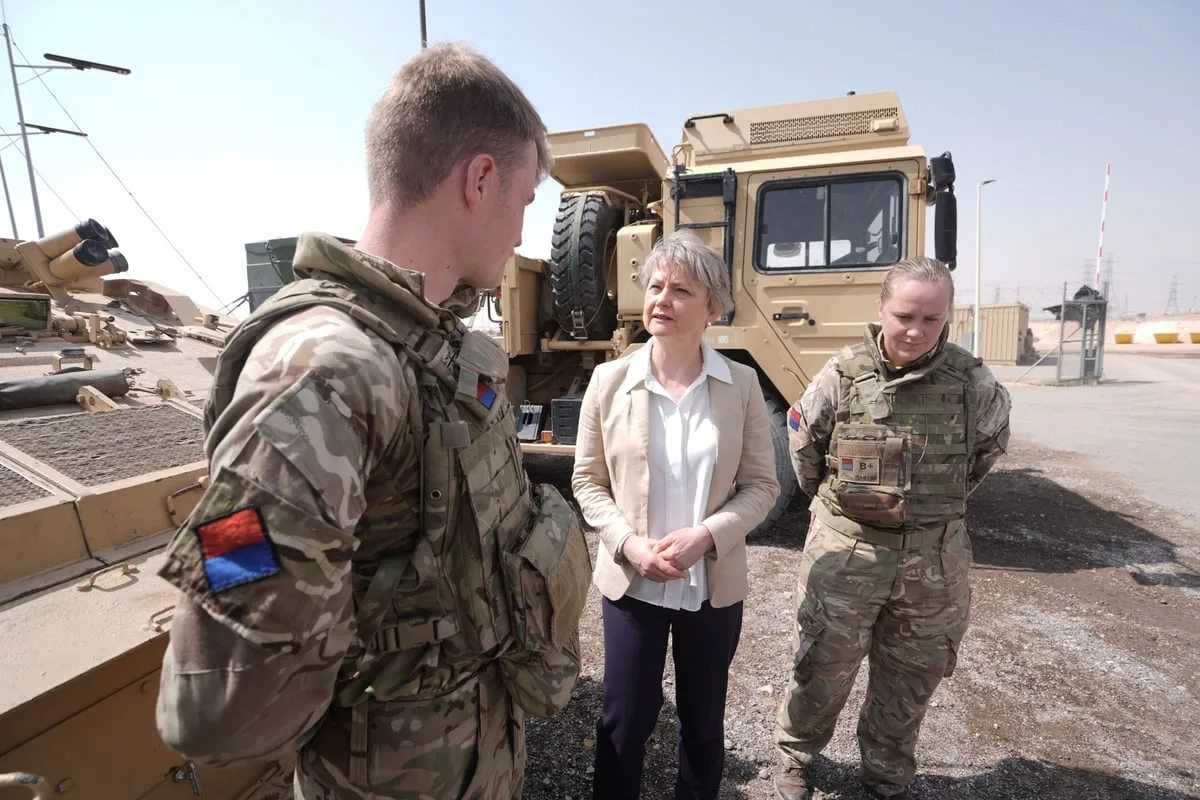
Foreign Secretary Yvette Cooper will proceed with her diplomatic visit to Saudi Arabia on Friday, as international anxiety mounts over Iran's persistent threats to obstruct the critical Strait of Hormuz shipping lane. Cooper arrived in the kingdom on Thursday, demonstrating the United Kingdom's solidarity with Gulf nations impacted by Iran's retaliatory actions against ongoing joint US-Israeli military strikes.

Iran's Supreme Leader Issues Stark Warnings

Since Cooper's arrival, Iran's newly appointed supreme leader, Ayatollah Mojtaba Khamenei, has intensified regional tensions. In a written statement broadcast on Iranian television, Khamenei vowed to continue assaults on neighbouring countries until they "expel the Americans," pledging to avenge "martyrs" killed in the conflict. Crucially, he explicitly threatened to maintain the blockade of the Strait of Hormuz, a vital maritime passage for oil exports from the Gulf region.

The effective closure of this strategic waterway has already triggered significant economic repercussions. Oil prices surged on Thursday, briefly reaching 100 dollars per barrel again, raising fears of heightened inflation in the UK and worldwide. This price spike threatens to exacerbate existing economic pressures on consumers and businesses globally.

Wide Pickt banner — collaborative shopping lists app for Telegram, phone mockup with grocery list

UK Government's Diplomatic and Military Response

In response to the escalating crisis, Prime Minister Sir Keir Starmer has committed to working towards "de-escalating the situation." He is coordinating with other world leaders to address oil supply concerns and stabilise energy markets. As part of these efforts, Foreign Secretary Cooper engaged in high-level meetings with various Saudi ministers on Thursday, including discussions with the energy minister and foreign minister.

Cooper also addressed a special gathering of the Gulf Cooperation Council's (GCC) foreign ministers, focusing on regional stability and countering Khamenei's threats to the Strait of Hormuz. GCC Secretary-General Jasem Al-Budaiwi expressed gratitude for the UK's military and "moral support" during these challenging times.

The United Kingdom continues to conduct defensive operations in the region, with RAF jets executing sorties over Jordan, Qatar, and the United Arab Emirates to intercept potential drone attacks. Additionally, British troops faced an assault at a military base in Erbil, Iraq, on Wednesday night, as confirmed by defence chiefs.

Defence Secretary's Assessment and Broader Implications

Defence Secretary John Healey received comprehensive briefings on British military activities in the Middle East conflict during a visit to the Northwood military headquarters in Hertfordshire on Thursday. When questioned about potential UK participation in patrolling the straits, Healey described it as "early days," emphasising an "international imperative" to resolve the situation peacefully.

Healey highlighted the extreme difficulty of demining the waters, noting ongoing discussions with military planners. He revealed that some autonomous demining systems were already deployed in the region prior to the current conflict. "Ultimately, the swiftest resolution and reopening of the straits will likely depend on de-escalating the conflict, enhancing regional stability and confidence, and collaborative efforts among nations committed to reopening this vital route," Healey stated.

The Defence Secretary also pointed to broader geopolitical dimensions, warning that Vladimir Putin's "hidden hand" influences certain Iranian tactics. He noted that the Russian president benefits from the conflict-induced surge in oil prices, which provides "a fresh supply of funds for his brutal war in Ukraine." This connection underscores the complex international ramifications of the Gulf tensions, linking regional conflicts to global strategic and economic interests.

Pickt after-article banner — collaborative shopping lists app with family illustration




