Foreign Secretary Defends UK's Global Aid Role Amid Financial Reductions
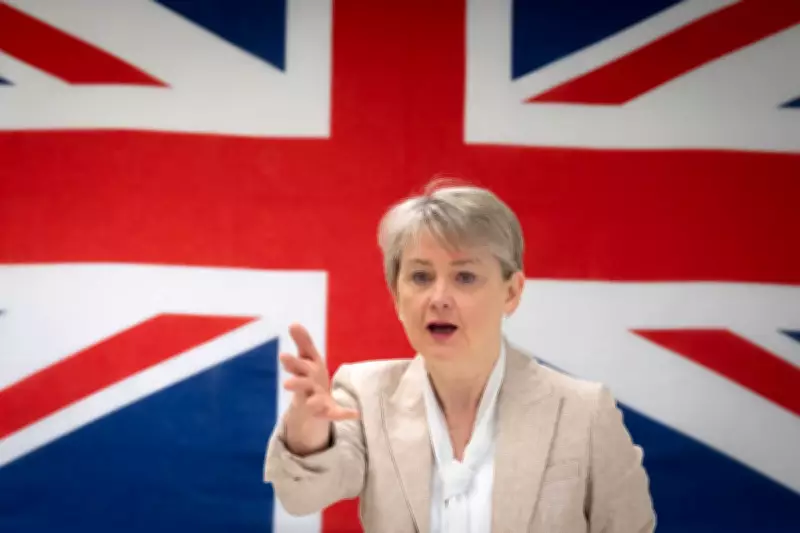
Foreign Secretary Yvette Cooper has asserted that the United Kingdom will continue to be a "major player" in international development assistance, even as the government implements significant cuts to the overseas aid budget. In a statement to the House of Commons, Cooper acknowledged that allocating a reduced budget necessitates difficult decisions but emphasized that a modernized approach would sustain British influence on the global stage.
Hard Choices and Strategic Priorities
Cooper explained that the government has made "hard choices and unavoidable trade-offs" in distributing official development assistance (ODA) across the world. Despite these reductions, she projected that the UK would remain the fifth-largest funder of international aid globally. The Foreign Secretary outlined a new strategy centered on "partnership not paternalism," which aims to move away from traditional donor relationships toward more collaborative investments.
The aid budget has been reduced from 0.5% to 0.3% of gross national income, a decision linked to increased defence spending. Total ODA expenditure is expected to decrease from approximately £10 billion in the 2026-27 fiscal year to £8.9 billion the following year, before a slight recovery to £9.4 billion in 2028-29.

Refocusing Aid as Investment
Cooper described this shift as a "fundamental change" in Britain's approach to international development. The UK will reposition itself as an "investor" rather than a mere "donor," providing technical expertise and support alongside financial contributions. Key priorities include humanitarian assistance to conflict zones such as Ukraine, Gaza, Lebanon, and Sudan, as well as sustained support for women and girls through initiatives aimed at preventing violence and promoting economic participation.
"We will support women and girls, and we will invest in line with our values, even where other countries have changed their development approach," Cooper stated, highlighting the centrality of gender equality in the Foreign, Commonwealth and Development Office's work.
Strategic Withdrawals and Funding Adjustments
The government will withdraw traditional bilateral funding for G20 countries, which collectively account for about 85% of global GDP. Nations like Yemen, Somalia, and Afghanistan will retain humanitarian priority status, while development partnerships with countries such as Pakistan and Mozambique will see direct grant funding significantly reduced in favor of investment-focused collaborations.
In parallel, the BBC World Service will receive an annual funding increase of £11 million, whereas the Independent Commission for Aid Impact, the watchdog overseeing aid expenditure, faces a 40% budget cut. Foreign Office minister Baroness Chapman indicated that discussions with the commission are ongoing to ensure the continued effectiveness of external inspection mechanisms.
Political Scrutiny and Future Directions
Conservative shadow foreign minister Wendy Morton criticized the announcement for lacking specific details on how aid and development spending reforms would be implemented. She questioned which programs might be discontinued, which partnerships scaled back, and which commitments would no longer be honored under the new framework.
Cooper responded by challenging the Conservative Party's own proposal to reduce development spending to 0.1% of GNI, which would represent a two-thirds reduction compared to the current government's plans. She underscored the interconnectedness of global prosperity and domestic stability, arguing that sustained commitment to international development delivers benefits both at home and abroad.
The Foreign Secretary concluded by reaffirming the UK's dedication to shaping the global development agenda, particularly through its upcoming 2027 G20 presidency, and to leveraging trade, growth, and anti-corruption measures to support lower-income countries.