Foreign Secretary Warns of Coordinated Economic Threat from Russia and Iran
Foreign Secretary Yvette Cooper has issued a stark warning about Russia and Iran's attempts to "hijack the global economy" through coordinated actions that threaten international stability. The accusation comes as Iran continues its blockade of the critical Strait of Hormuz shipping route, a strategic chokepoint for global oil supplies.
Iran's Supreme Leader Vows Continued Disruption
Iran's new supreme leader has publicly pledged to maintain attacks on commercial shipping in the Strait of Hormuz, framing these actions as direct retaliation for ongoing military strikes by the United States and Israel against Iranian targets. This aggressive posture has created significant turbulence in energy markets worldwide.
The blockade has already produced tangible economic consequences, with oil prices surging to approximately $100 per barrel. This sharp increase threatens to reignite inflationary pressures across multiple continents, potentially undermining economic recovery efforts in numerous nations.

Cooper Links Iranian and Russian Strategies
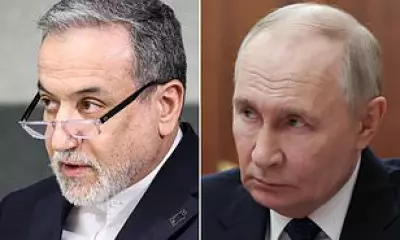
Speaking to the Press Association during a diplomatic visit to Saudi Arabia, Cooper explicitly connected the emerging threat from Iran with Russia's ongoing economic warfare tactics. She emphasized that Tehran and Moscow have developed increasingly close ties across multiple domains.
"We have observed these connections between Russia and Iran over an extended period," Cooper stated. "The collaboration manifests in technology sharing, strategic approaches, tactical coordination, and mutual support mechanisms. Both nations appear determined to benefit collectively from their attempts to hijack the global economic system."
The Foreign Secretary further clarified that both Moscow and Tehran pose clear threats to global economic security and general wellbeing, requiring coordinated international responses.
US Sanctions Adjustment Amid Rising Prices
Despite her strong criticism of Russian-Iranian coordination, Cooper declined to condemn recent American decisions to ease certain sanctions on Russian oil exports. She characterized this policy adjustment as addressing a "specific, targeted issue" rather than representing broader strategic change.
Earlier on Friday, US Treasury Secretary Scott Bessent announced temporary authorizations allowing countries to purchase Russian oil already loaded onto vessels at sea. This measure represents an attempt to alleviate mounting global energy pressures without substantially benefiting the Russian government financially.
"This narrowly tailored, short-term provision applies exclusively to oil already in transit," Bessent explained in a social media statement. "It will not generate significant financial advantages for Russian authorities."
Diplomatic Visit to Saudi Military Base
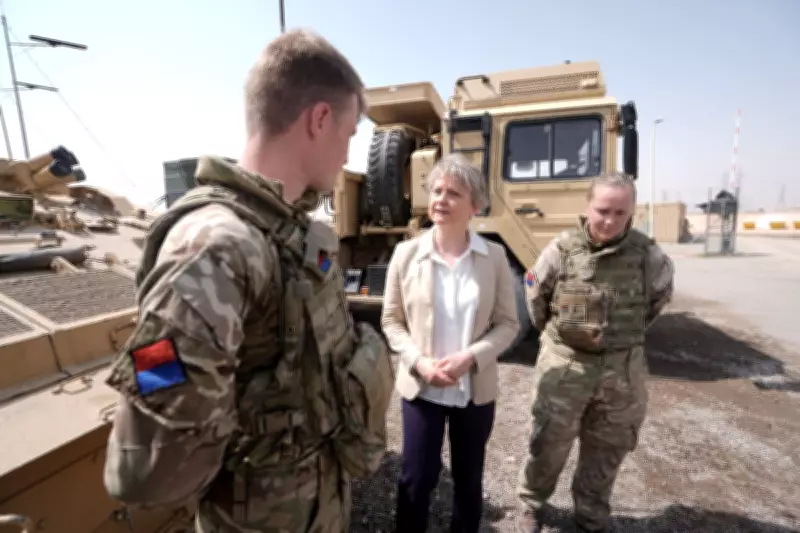
During her Middle Eastern tour, Cooper visited a British military installation on the outskirts of Riyadh, where she engaged with troops responsible for protecting Saudi Arabia's critical national infrastructure. The Foreign Secretary met with soldiers from 9 (Plassey) Battery, Royal Artillery, who operate sophisticated air defense systems.
This military presence forms part of a longstanding deployment initiated in 2022 following a one-way drone attack against Saudi territory. The United Kingdom accepted Riyadh's invitation to provide ongoing air defense support, demonstrating continued security cooperation between the two nations.
The geopolitical landscape continues to evolve as economic pressures mount, with Cooper's warnings highlighting the interconnected nature of modern security and economic challenges facing the international community.