Cooper Accuses Russia and Iran of Attempting to Hijack Global Economy Amid Oil Crisis
Foreign Secretary Yvette Cooper has launched a scathing accusation against Russia and Iran, claiming the two nations are actively trying to "hijack the global economy." This stark warning comes as oil prices surge dramatically, breaching the $100 per barrel mark amidst escalating conflict in the Middle East and strategic manoeuvres concerning Russian energy exports.
Oil Prices Surge as Iran Threatens Key Shipping Route
The immediate catalyst for the economic turmoil is Iran's aggressive posture. The nation's new supreme leader has publicly vowed to continue attacks on commercial shipping traversing the Strait of Hormuz, a critical maritime chokepoint for global oil supplies. This blockade has directly contributed to the sharp spike in crude oil prices, creating instability and fear in international markets.
In a bid to address these soaring prices and stabilise the global market, the administration of US President Donald Trump announced a significant policy shift. Treasury Secretary Scott Bessent revealed early on Friday that America would temporarily ease measures that prevent countries from purchasing Russian oil. This authorisation, described as "narrowly tailored" and "short-term," applies only to oil already loaded on vessels at sea.

"This measure will not provide significant financial benefit to the Russian government," Bessert stated in a social media post, attempting to downplay the potential windfall for Moscow.
Fears Putin Could Exploit Crisis to Fund War Machine
However, this American concession has sparked immediate and profound concern among Western allies. There is a growing fear that Russian President Vladimir Putin could exploit the dual crises—the war involving Iran and the temporary easing of sanctions—as a golden opportunity to bolster Russia's wartime economy, which has been strained by the prolonged conflict in Ukraine.
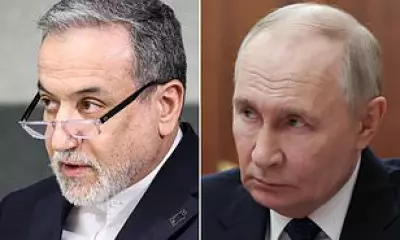
Speaking to the Press Association during a diplomatic visit to Saudi Arabia, Foreign Secretary Cooper explicitly linked the threats posed by Tehran and Moscow. "We have seen these links between Russia and Iran over an extended period of time," she asserted. "We're seeing it in terms of technology, we see it in terms of the approach, we see it in terms of these kinds of tactics, and we see it in terms of the way these two states try to support each other and try to benefit together from attempting to hijack the global economy."
She emphasised the gravity of the situation, adding, "We are very clear about the threat from both Russia and from Iran to the global economy and to all of our wellbeing." Despite these warnings, Cooper notably declined to criticise the US decision to relax some sanctions, characterising it as a "specific, targeted issue" aimed at mitigating immediate global economic pressures.
UK Stance Remains Firm as Ministers Warn of Kremlin Opportunism
In contrast to the American move, the UK government has signalled it will maintain a hardline stance. Energy Minister Michael Shanks indicated that Britain would not follow the US in easing any sanctions against Russia. In an interview with Sky News, Shanks warned that the Kremlin likely views the current turmoil as a chance to repair its ailing economy.
"The UK has been really clear that our sanctions on Russia stay in place," Shanks stated firmly. "This is a moment where I suspect in the Kremlin they are looking at this as an opportunity to fix some of their ailing economy. That is a great shame, because we have to do everything that we possibly can to make sure that we are bringing all pressure to bear on Russia so that we can win this war in Ukraine."
He stressed the critical importance of not assisting the Russian war machine during a pivotal moment in the conflict. Defence Secretary John Healey echoed these concerns, suggesting a direct link between Russian strategy and Iranian actions. During a briefing at the Northwood military headquarters, Healey warned of Putin's "hidden hand" behind some Iranian tactics, arguing that the Russian president is a direct beneficiary of the oil price surge.

"It helps him with a fresh supply of funds for his brutal war in Ukraine," Healey remarked, highlighting the interconnected nature of the geopolitical and economic threats.
Diplomatic Efforts and Military Posturing Intensify
The crisis has triggered a flurry of high-level diplomatic and military activity. Prime Minister Sir Keir Starmer has pledged to "de-escalate the situation" and is coordinating with other world leaders on securing stable oil supplies. As part of this effort, Foreign Secretary Cooper engaged in a series of meetings in Saudi Arabia.
Her itinerary included discussions with Saudi energy and foreign ministers, and she addressed a special meeting of the Gulf Cooperation Council's foreign ministers, focusing on regional stability and the specific threats to the Strait of Hormuz. GCC Secretary-General Jasem Al-Budaiwi expressed gratitude for the UK's ongoing military and "moral support."
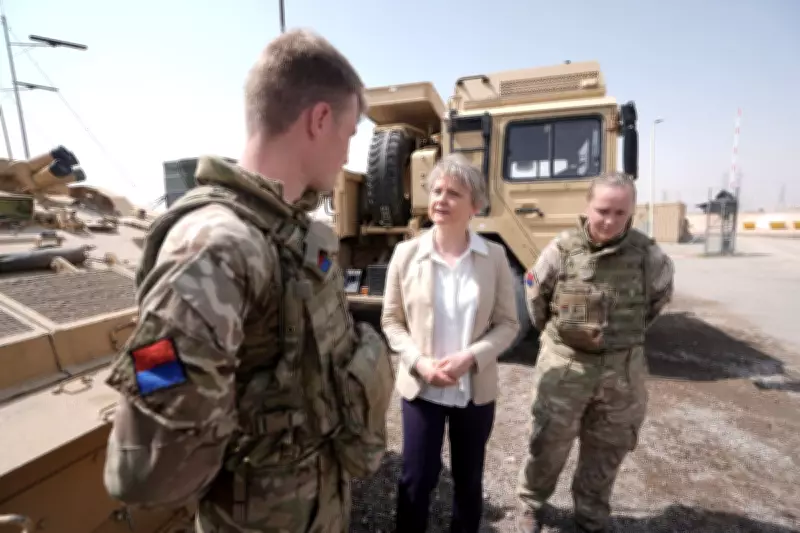
Cooper's visit also included a trip to a British military base in Saudi Arabia, where she spoke with soldiers from the Royal Artillery who operate air defence systems. This base is part of a long-standing deployment, initiated in 2022, to provide air defence support for Saudi Arabia following previous drone attacks.
Meanwhile, US President Donald Trump issued a fresh and characteristically blunt warning to Iran via social media, stating his military possesses "unparalleled power" and ominously telling the nation's leaders to "watch what happens." This rhetoric underscores the volatile and highly charged atmosphere surrounding the crisis, where economic warfare, military posturing, and intense diplomacy are now dangerously intertwined.