In a world marked by escalating global instability, the United Kingdom faces unprecedented security challenges that demand a robust response. Yvette Cooper, the Secretary of State for Foreign, Commonwealth and Development Affairs, has articulated a clear stance: boosting defence expenditure does not equate to forsaking the nation's core values or humanitarian responsibilities.
A New Era of Global Insecurity
Cooper highlights that the current period is one of the most turbulent in recent memory, with conflicts raging in the Middle East, Ukraine, Gaza, and Sudan. The Iranian regime's attempts to disrupt the global economy through the Strait of Hormuz and a worsening humanitarian disaster in Lebanon add to the complexity. British military assets, including fighter jets and carrier strike groups, are actively engaged in defensive operations, underscoring the immediate threats to national security and economic stability.
The Necessity of Defence Investment
The peace dividend following the Cold War has vanished, necessitating increased investment in defence. The government's decision to accelerate defence spending, funded partly by a temporary reduction in overseas aid over the next three years, mirrors actions taken by key allies. This move, while difficult, is framed as essential to address emerging security threats, from state-sponsored cyber-attacks to regional conflicts.

Reaffirming Commitment to Development
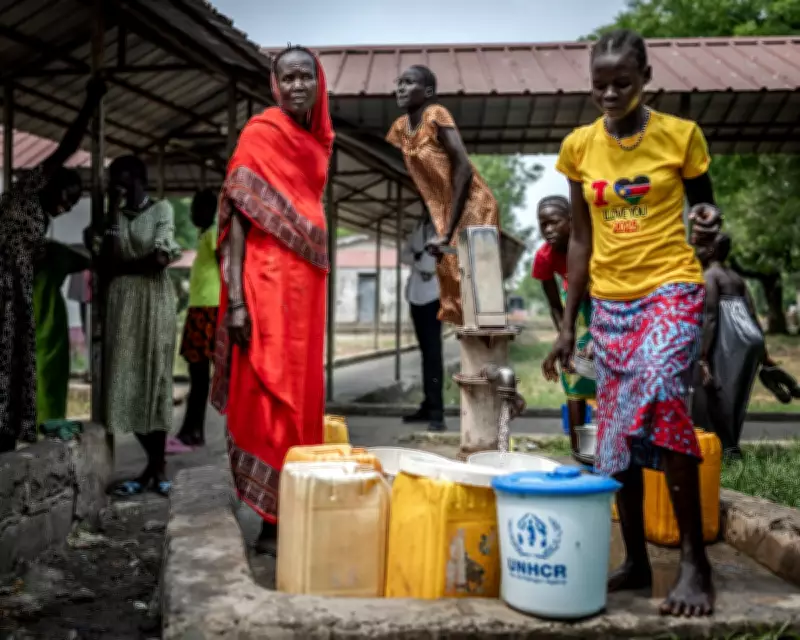
Despite these cuts, Cooper insists that international development must not be downgraded. She criticises proposals from Nigel Farage's Reform UK and Kemi Badenoch's Conservatives to abandon development aid altogether, positioning Labour's approach as morally imperative and aligned with national interests. Supporting global efforts against disease, hunger, and climate-induced crises is portrayed as vital for fostering security and economic partnerships abroad, which in turn benefit the UK.
A Reformed Development Agenda
With reduced funding, the focus shifts to smarter, more effective investment. Cooper outlines a five-point plan to revitalise the UK's development strategy:
- Prioritising High-Need Regions: Aid will be concentrated on countries facing severe humanitarian crises, such as Sudan, Palestine, Ukraine, and Lebanon, with an emphasis on breaking cycles of conflict and poverty through education and conflict prevention.
- Evidence-Based Interventions: Investments will target areas with proven impact, including partnerships with Gavi for child vaccinations and climate action to mitigate extreme weather effects.
- Unlocking New Finance: Innovation will drive private sector involvement through climate finance programmes and institutions like British International Investment, alongside pushing for increased investment from development banks and debt relief.
- Partnership Over Paternalism: A shift from donor to investor, led by Development Minister Jenny Chapman, will empower countries to build their own capacities, supported by reforms to multilateral institutions.
- Upholding Values: The UK will continue funding for women's health and rights, and increase support for the BBC World Service as a trusted information source in conflict zones, even if other donors withdraw.
Balancing Security and Humanity
Cooper concludes that responding to humanitarian crises and upholding international law are not just reflections of British values but also serve national interests in an interconnected world. She reaffirms Labour's commitment to justice, asserting that while global challenges have evolved, the UK's principles remain steadfast. This approach aims to demonstrate that a smaller aid budget can still drive meaningful change without compromising on responsibility or ethical standards.