Congo and Rwanda Forge Agreement to Reduce Tensions in Eastern Region
In a significant diplomatic development, Congolese and Rwandan officials have agreed on coordinated steps to de-escalate tensions in eastern Congo, where government troops are engaged in conflict with rebels supported by neighboring Rwanda. This agreement emerged from high-level meetings held in the United States earlier this week, according to a joint statement released by the Congolese, Rwandan, and U.S. governments.
U.S.-Led Peace Efforts Gain Momentum
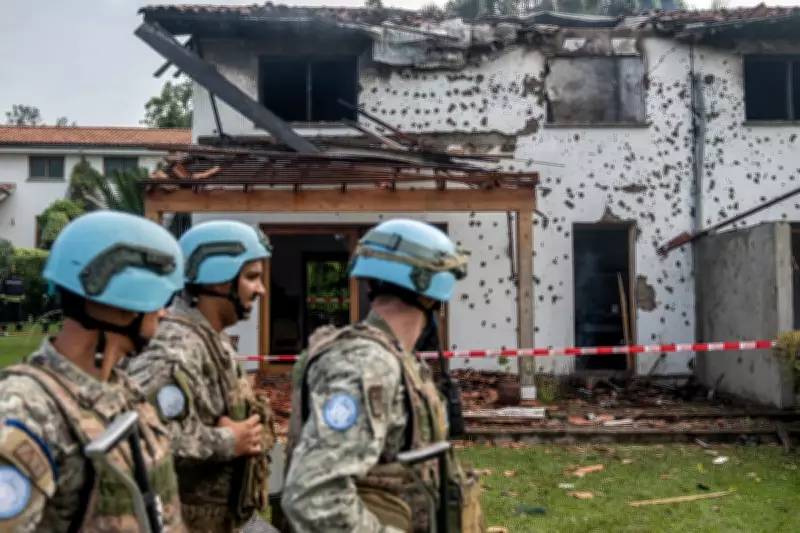
The meetings took place on Tuesday and Wednesday, aiming to advance progress in eastern Congo as previous peace initiatives led by the United States and partners, including Qatar, had stalled amid ongoing violence. The mineral-rich eastern region of Congo has endured decades of instability, with government forces combating over 100 armed groups. The most formidable of these is the M23 rebel group, which is backed by Rwanda and made unprecedented advances into the area early last year, seizing key cities and expanding its presence rapidly.
U.S. President Donald Trump has played a pivotal role as a peace facilitator, working to rally both nations toward a permanent ceasefire. Concurrently, his efforts have sought to pave the way for American companies to access Congo's critical minerals, essential for global technology ranging from jets to mobile phones. Both Congo and Rwanda have committed to efforts based on the agreement facilitated by Trump between their presidents last year.

Specific Measures for Sovereignty and Disengagement
The joint statement outlined that the sides agreed to specific, though unnamed, measures designed to support each other's sovereignty and territorial integrity. Additionally, they committed to a "scheduled disengagement of forces as well as the lifting of defensive measures by Rwanda" in defined Congolese territory. This marks a crucial step toward reducing military confrontations in the volatile region.
While neither Rwanda nor the M23 have publicly acknowledged the presence of Rwandan troops, United Nations experts have reported evidence of their involvement. Rwanda has consistently framed its actions as defensive measures aimed at protecting its territory from Hutu rebels, specifically the Democratic Forces for the Liberation of Rwanda (FDLR), who were responsible for the 1994 genocide in Rwanda and fled to Congo afterward.
Intensified Efforts Against Armed Groups
As part of the U.S.-mediated talks, Congo has agreed to make "intensified efforts" to neutralize the FDLR, according to the statement. This armed group, composed largely of Hutus who escaped to Congo post-genocide, remains a significant source of regional tension. The agreement underscores a mutual recognition of the need to address root causes of conflict while fostering stability.
The coordinated steps represent a hopeful turn in a long-standing crisis, with both nations demonstrating a willingness to engage in dialogue and implement concrete actions. However, the success of these measures will depend on sustained commitment and international support to ensure lasting peace in eastern Congo.