CIA Reportedly Arming Kurdish Forces to Incite Uprising Against Iran
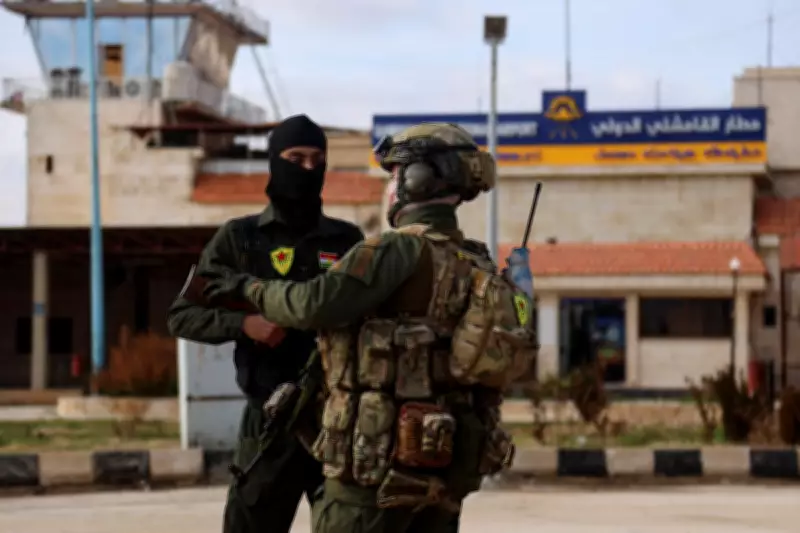
According to multiple reports, the CIA is actively preparing to arm Kurdish forces in a strategic move aimed at inciting a significant uprising against the Iranian government. This development could potentially drag Kurdish militias into the escalating conflict between the United States and Iran, with far-reaching implications for regional stability.
Strategic Plans and Military Support
US officials have engaged in discussions with Iranian opposition groups and Kurdish leaders based in Iraq, offering military support to facilitate the overthrow of the Islamic Republic. Sources indicate that Kurdish militias are expected to participate in ground operations in western Iran in the near future, with backing from both American and Israeli forces.
A senior Iranian Kurdish official expressed optimism about the plan, stating, "We believe there is a big chance now." The strategy involves Kurdish militants attacking Iranian security forces, thereby enabling anti-government protesters and rebels to mobilise on the streets. A US official elaborated that this approach would sow chaos and distraction, stretching Iran's military resources thin and diverting them from retaliatory strikes on US bases in neighbouring countries.

Risks and Historical Context
However, the strategy is fraught with risks. "It may not be as simple as Americans convincing a proxy force to fight on its behalf," cautioned a former Trump administration official. "You have a group of people who are thinking about their own interests, and the question is whether getting them involved aligns with their interests."
Kurdish forces, an ethnic minority of 25-30 million people spread across Turkey, Iraq, Syria, Iran, and Armenia, have a complex history with US support. They were backed by Washington during the 1991 revolt in Iraq but were later abandoned, facing severe backlash from Saddam Hussein's forces. The US also armed them in Syria as part of the Syrian Democratic Forces (SDF), only to withdraw support after the new government under Ahmed Al-Sharaa took power in December 2024, which introduced rights protections for Kurds.
Regional Concerns and Broader Implications
Turkey views the SDF as an extension of the Kurdistan Workers' Party, a designated terrorist organisation, adding another layer of complexity. Neil Quillian, an expert from Chatham House, warned that Washington's decision could exacerbate regional unrest, particularly as groups like Hezbollah are already operating in the area to avenge the death of Ayatollah Khamenei with attacks on Israel.
Recent communications highlight the urgency of the situation. President Donald Trump reportedly called Iraqi Kurdish leaders to discuss US-Israeli strikes on Iran and explore collaboration options. By Tuesday, he had also spoken with Mustafa Hijri, president of the Democratic Party of Iranian Kurdistan (KDPI). The Islamic Revolutionary Guard Corps has claimed responsibility for attacks on Kurdish groups, including a drone strike on Tuesday, underscoring the volatile environment.
Attempts to Spark Rebellion
Following the US-Israeli strikes that killed Ayatollah Ali Khamenei, Trump urged Iranians to seize control of their government, though with internet restrictions in Iran, the impact remains unclear. Thousands demonstrated in support of Khamenei, who is reportedly succeeded by his son Mojtaba, a similarly anti-Western figure.
Alex Plitsas, a CNN national security analyst and former senior Pentagon official, noted that the US is "clearly attempting to jump-start" a rebellion. "The Iranian people are generally unarmed as a whole and unless the security services collapse, it'll be difficult for them to take over unless someone arms them," he explained. This report suggests that arming Kurdish forces could be a pivotal step in that direction, potentially creating a buffer zone in northern Iran to protect Israeli interests, albeit with significant geopolitical risks.