Taiwanese defence officials have issued a stark warning as Chinese fighter jets have been observed flying perilously close to the island, coinciding with a major upcoming visit by former US President Donald Trump to Beijing. This escalation in military activity follows an unexplained two-week lull in flights, sparking intense speculation and concern among top military brass in Taiwan.
Surge in Chinese Military Presence
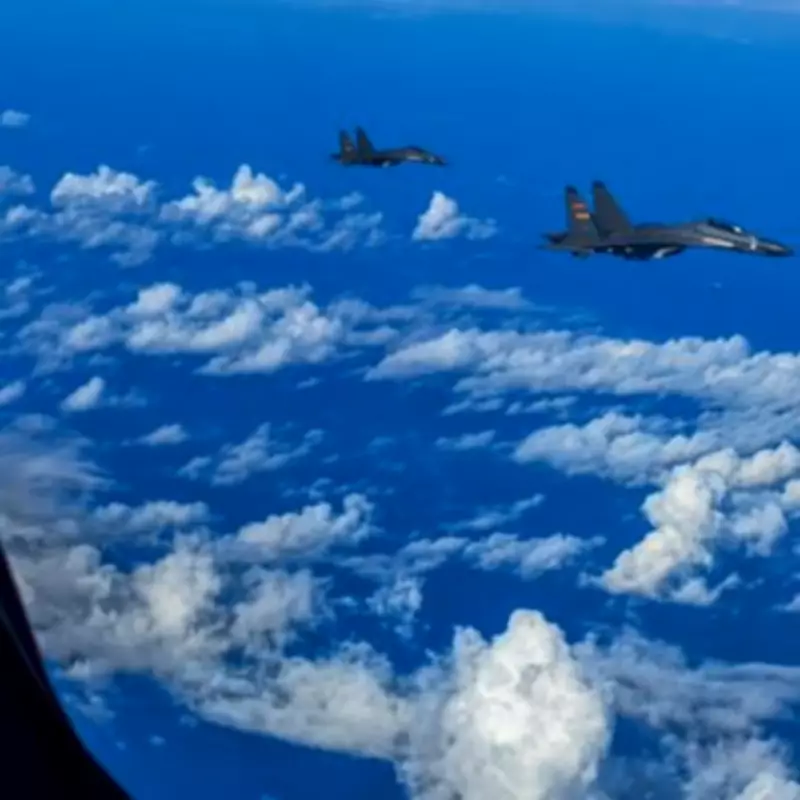
The Taiwanese defence ministry reported a significant increase in Chinese military planes near Taiwan, with a total of 25 jets identified on a single Saturday. Of these, 16 aircraft entered Taiwan's northern, central, and southwestern Air Defence Identification Zone, marking a notable uptick in provocative manoeuvres. Additionally, seven naval ships were spotted operating around the island, underscoring the heightened maritime presence.
Timing with Trump's Visit
This surge comes just days before Donald Trump is scheduled to travel to China from March 31 to April 2, as announced by the White House, though Beijing has not officially confirmed the dates. The timing has fuelled fears that China might be using global conflicts as a cover for a long-planned invasion of Taiwan, with US intelligence previously indicating that 2027 is a likely target year for such an action.
Background of Tensions
China has repeatedly vowed to seize Taiwan by force if necessary, with military flights and naval vessels approaching the island on a near-daily basis. Taiwanese Defence Minister Wellington Koo noted that while military flights had recently decreased, China's navy has remained active in nearby waters, suggesting a strategic shift in training and modernisation efforts.
Historical Context and Current Preparations
Since 1949, when the Communist Party took power in Beijing after a civil war, China and Taiwan have been governed separately. Beijing views Taiwan as an illegitimate breakaway province and insists on reunification. In response, Taiwan has been intensifying its defence preparations, including detailed military drills and a mandatory conscription programme, treating a potential invasion next year as a likely scenario.
Expert Analysis and Speculation
Experts point out that while Chinese military flights have historically decreased during major events like the annual Chinese Communist Party meeting, this year's drop was more pronounced. Some observers suggest this may indicate a transition to a new phase in China's military training, focusing on joint operations between forces. The recent surge, however, has reignited alarms about Beijing's aggressive intentions.
The situation remains tense as Taiwan braces for further provocations, with the international community closely monitoring developments ahead of Trump's diplomatic engagement in Beijing.